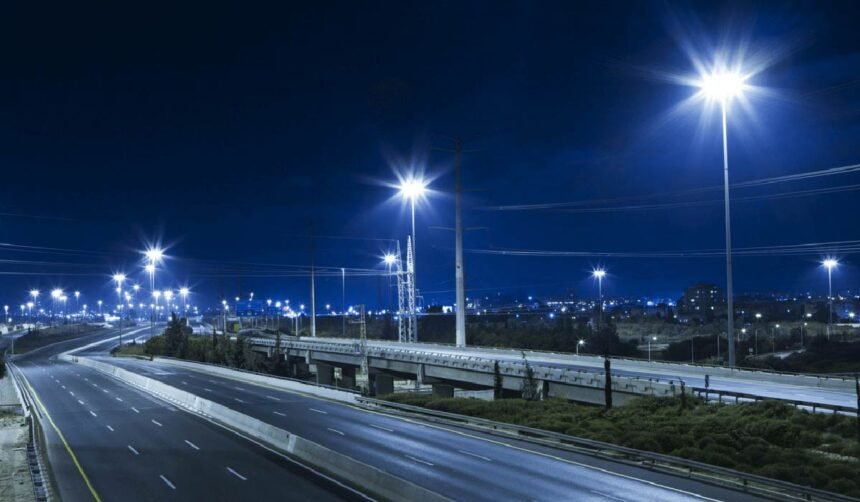
Street light is the system of lights installed on roads, walkways, and public spaces to brighten areas after dark. These lights make nighttime safer for everyone. They help drivers see clearly. They let people walk without fear. They stop crime in its tracks.
Your city likely uses street lights every single night. Without them, traffic accidents would increase. Crime would rise. People would stay inside after sunset. Good street lighting changes all of that.
Modern street lights are not like old lamps from decades ago. Today’s systems use smart technology. They save energy. They cost less money to operate. They make communities better places to live.
How Street Lighting Makes Your City Safer
Street lighting prevents accidents and keeps people secure. This is its main job.
When roads are well lit, drivers can see problems ahead. They have time to stop. They avoid hitting other cars or people. Studies show that good street lighting cuts nighttime accidents by 20 to 30 percent. That means fewer injuries and deaths.
Pedestrians also benefit greatly. People walking at night can see where they step. They spot hazards. They feel confident moving through their neighborhood. Elderly people and children especially need this safety.
Street lighting also stops crime. Criminals hide in dark places. They target areas where no one is watching. When streets are bright, thieves think twice. Robbers know someone might see them. Police can patrol more effectively. Crime rates drop by 10 to 15 percent in well-lit areas.
Emergency responders work faster in lit areas too. They find patients quickly. They provide help faster. Ambulances reach destinations without getting lost.
Types of Street Lights Used Today
Different types of street lights work in different ways. Choosing the right one matters for your city.
LED Street Lights are the most popular choice now. LED stands for light-emitting diode. These lights use less electricity than old types. They last much longer. They produce bright, clear light. Most new street light projects use LEDs.
Solar Street Lights run on sun power. They charge during the day. They light up at night. These work great in areas without reliable electricity. They cost nothing to operate after installation.
Motion-Sensor Lights turn on when they detect movement. They save energy during quiet hours. They brighten when people or cars appear. This technology is getting better every year.
Smart Street Lights connect to the internet. City officials can control them from an office. These lights send information about their performance. They tell maintenance teams when something breaks before it fails completely.
Why LED Lights Save Money and Help the Earth
Switching to LED street lights saves cities massive amounts of money. LEDs use 50 to 70 percent less electricity than older lights. That translates to smaller electric bills every month.
A typical city with 50,000 street lights can save millions of dollars annually by upgrading to LEDs. That money can pay for schools, parks, and roads instead.
The financial benefits go deeper than just lower electricity bills. LED bulbs last much longer than old bulbs. You replace them less often. Your maintenance workers spend less time fixing things. Parts cost less to replace.
Over 20 years, the savings become enormous. Most cities recover their LED investment within 3 to 5 years. After that, everything else is profit.
Environmental benefits matter too. Less electricity means fewer greenhouse gases released into the air. Your city helps fight climate change. Power plants don’t have to work as hard. This reduces pollution in neighborhoods near power plants.
Some cities now use solar-powered street lights. These produce zero emissions. They don’t connect to the power grid at all. This is especially useful in developing areas or remote locations.
How Smart Street Lighting Works
Smart street lights represent a big jump forward in city technology. These lights do far more than just turn on and off.
Smart lights have sensors built inside. These sensors detect how bright it is outside. They measure traffic. Some even check air quality. All this information gets sent to a central system.
City managers sit in an office and watch all the lights. They can see which ones are working. They can spot broken bulbs immediately. They know exactly when to send repair teams. This prevents long waits for fixes.
The lights themselves are smart too. When very few cars are driving, the lights dim down. They use less power. When traffic picks up, they brighten automatically. This happens all night long without anyone controlling it.
Some smart systems talk to weather forecasts. When fog rolls in, lights brighten a bit more. When snow is coming, adjustments happen early. This keeps drivers safer during difficult weather.
Emergency services get major benefits. Police and ambulances can request that certain streets brighten. They can coordinate with traffic signals. Getting to emergencies becomes faster and safer.
Installation and Care of Street Lights
Installing street lights correctly makes them work well for decades. This requires planning and skill.
City planners examine the area carefully. They measure road width. They check pedestrian traffic. They look at accident history. All this information determines where lights go and how far apart they should be.
Most street lights stand 20 to 40 feet tall. They space them 120 to 150 feet apart on average. This creates even brightness without dark spots. Light doesn’t spill into homes next to the road.
Installation must follow local building codes. Electrical connections must be safe. Poles need proper grounding. Professionals handle all this work.
Once installed, lights need regular care. Dirt builds up on the lens. This reduces brightness. Cleaning every three months helps. Workers also check for loose parts. They replace bulbs before they burn out completely. They inspect poles for damage from weather or accidents.
Smart light systems make maintenance easier. They alert maintenance teams automatically. Workers don’t waste time checking lights that are working fine. They go straight to problems that need fixing.
Energy Savings You Can Actually See
The energy savings from modern street lighting are real and measurable. Cities can track exactly how much electricity they use.
Before LED upgrades, a typical street light might use 150 watts of power. An LED light doing the same job uses maybe 50 watts. That’s three times less electricity for the same brightness.
Over one year, one light saves about 2,400 kilowatt-hours of power. Multiply that by 50,000 lights in a city, and you get 120 million kilowatt-hours saved. That’s enough electricity to power 10,000 homes for a year.
The money saved can be substantial. If electricity costs $0.12 per kilowatt-hour, one city saves $14.4 million annually. These numbers add up quickly.
Smart controls increase savings further. Some studies show that smart lighting systems save an additional 30 percent on top of LED savings. Dimming lights during quiet hours really adds up over time.
Cities are reinvesting these savings. Some use the money for more LED upgrades. Others fund community programs. Some strengthen other infrastructure. The choice belongs to local leaders.
How Street Lighting Builds Stronger Communities
Well-lit streets do more than prevent crime. They change how people live and feel about their neighborhoods.
People feel braver at night when streets are bright. They walk to restaurants and movies. They visit friends after dark. Young people gather in parks. This community activity creates vibrant neighborhoods.
Businesses benefit from good lighting too. Shop owners report more evening customers. Foot traffic increases. People feel safe shopping after work. Parking lots with good lighting attract more business.
Property values rise in well-lit areas. Homebuyers want safety. They want to feel comfortable. Good street lighting signals that a neighborhood is maintained and cared for. This attracts more investment.
Families move to lit neighborhoods. Children play outside longer. Communities become tighter. Neighbors know each other better. These social benefits matter as much as safety benefits.
Street lighting also supports public health. People walk more when they feel safe. Exercise happens naturally. Depression drops when communities are active. Mental health improves when people feel secure in their surroundings.
The Future of Street Light Technology
Street lighting keeps improving. New technologies are coming soon.
Micro-LED lights will be even brighter and more efficient. These tiny lights can produce amazing brightness using very little power. Future systems might use them.
Some cities are testing lights that display information. Imagine a street light that shows emergency alerts. Or warns about road hazards. This technology exists now but needs more development.
5G technology will make smart lights even smarter. Data travels faster. Lights can respond instantly to changes. Communication becomes seamless between thousands of lights.
Artificial intelligence will predict problems before they happen. Smart systems will learn patterns. They’ll know which lights fail most often. They’ll replace them before they break.
Solar technology keeps improving too. New solar panels capture more sunlight. Battery technology stores more power. Soon, solar street lights might work even on cloudy days.
Sustainable materials are under development. Lights made from recycled materials. Parts that last even longer.Manufacturing processes that create less waste.
Self-powered lights might harness energy from movement. Vibrations from traffic could power some lights. Rain energy collection is being tested.
Practical Steps to Improve Your Street Lighting
If you notice dark areas in your neighborhood, action steps exist.
Contact your city government. Most cities have a process for reporting broken or missing lights. Call your public works department. Many cities have online forms too. Report specific addresses.
Attend community meetings. City planners discuss street lighting projects publicly. Your input matters. Attend meetings. Ask questions. Share concerns.
Push for LED upgrades. If your city still uses old lights, suggest upgrades. Show officials the cost savings. LED changes pay for themselves. Your city leadership might need reminding.
Support smart lighting pilots. Some cities test smart lights first. Express support for these programs. Smart lights offer major benefits.
Request maintenance attention.If lights are dirty or flickering, request cleaning or replacement. Quick action prevents problems from getting worse.
Document problems. Take photos of dark areas. Note accident locations. Show crime statistics. This evidence helps officials justify spending money on lighting improvements.
Common Questions About Street Lighting
How long do LED street lights last?Most LED street lights last 10 to 15 years. Some last 20 years. This is much longer than older lights that lasted 3 to 5 years. The long life saves replacement costs.
Can street lights cause light pollution? Poorly designed lights can create light pollution. Good design prevents this. Modern lights shine downward only. They don’t waste light pointing at the sky. Proper fixture selection matters.
Do street lights affect animals? Bright lights can confuse birds and insects. Some animals adjust their behavior. Using warmer color lights reduces some problems. Wildlife experts are studying this issue.
How much does a street light cost? Basic street light fixtures cost $300 to $500. Installation costs extra. Smart lights with sensors cost more. Total projects cost depends on how many lights you need.
Who pays for street lighting? Usually cities and counties pay. Residents pay through property taxes. Some private areas like parking lots pay for their own lights.
Conclusion
Street lighting shapes how cities function. It makes travel safe. It prevents crime. It brings communities together. It saves money and energy. Modern lights work better than anything available before.
LED and smart street lights represent real progress. They cost less to operate. They last longer. They perform better. They help the environment.
Cities worldwide are upgrading their lighting. The trend is clear. Smart, efficient lighting is the future.
Your community deserves good street lighting. If you see dark areas, speak up. Advocate for upgrades. Push for smart technology. Good street lighting is worth the investment.
The best cities tomorrow will have the best lighting today. Modern street light technology makes that future possible right now.
For More Information, Visit Fourmagazine