



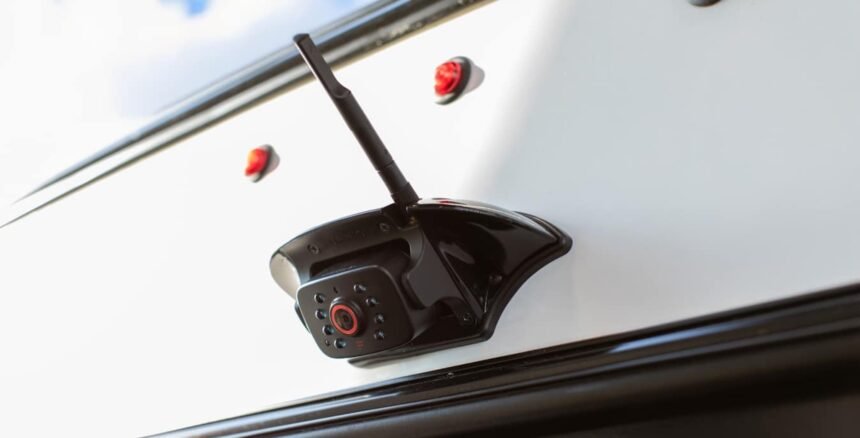
Driving and maneuvering a recreational vehicle (RV) can be challenging due to its size and limited rear visibility. An RV backup camera can significantly enhance safety and ease of driving, especially when reversing or parking. However, with so many options on the market, choosing the right camera can be overwhelming. Here’s a comprehensive guide on what to look for when buying an RV backup camera.
1. Camera Type: Wired vs. Wireless
RV backup cameras come in two main types: wired and wireless.
- Wired Cameras: These cameras connect directly to your RV’s monitor via cables. They typically provide a stable and consistent signal without interference. However, installation can be more complex and time-consuming.
- Wireless Cameras: Wireless cameras transmit the video signal without cables, making installation easier. However, back up cameras can be prone to interference from other devices and may require battery replacement or recharging.
2. Camera Resolution and Image Quality
The resolution of back up cameras affects the clarity of the image on your monitor. High-resolution cameras provide a sharper and more detailed view, making it easier to spot obstacles, pedestrians, or other vehicles.
- Look for cameras with at least 720p HD resolution for clear images.
- Consider cameras with night vision capabilities for safe driving in low-light conditions.
3. Field of View
The field of view (FOV) determines how much of the area behind your RV the camera can capture.
- A wide-angle lens (120°–180°) is ideal for covering blind spots and giving a broader view.
- Make sure the camera’s FOV is sufficient for your RV’s width and length.
4. Durability and Weather Resistance
Since RV backup cameras are exposed to outdoor elements, they must be weatherproof and durable.
- Look for cameras rated IP67 or IP68, indicating they are dustproof and waterproof.
- Ensure the camera can withstand extreme temperatures, rain, snow, and vibrations from driving.
5. Monitor Compatibility
Your rv backup camera needs a compatible monitor or display to show the video feed.
- Some cameras come with their own dedicated monitor.
- Others can be connected to your RV’s existing screen, such as a GPS or multimedia system.
- Make sure the monitor is sunlight-readable if it will be used outdoors.
6. Installation and Mounting Options
Consider how easy it is to install the camera and the types of mounting options available:
- License plate mount: Attaches to the rear license plate, a simple and common option.
- Roof or bumper mount: Offers a higher viewpoint for better coverage.
- Magnetic mount: Easy to remove but may be less secure while driving.
7. Additional Features to Consider
Modern RV backup cameras may include extra features for convenience and safety:
- Parking Guidelines: On-screen lines that help you judge distances while reversing.
- Two-Way Cameras: Some cameras allow front and rear views or multiple angles.
- Audio Capabilities: Built-in microphones for sound alerts or reverse warnings.
- Recording Options: Some cameras can record footage, useful for safety or insurance purposes.
8. Budget and Warranty
Finally, consider your budget. While high-end cameras offer advanced features, there are affordable options that provide excellent quality and reliability.
- Look for cameras with a good warranty to protect against defects or malfunction.
- Balance cost with features to ensure you get the best value for your RV setup.
Conclusion
Investing in a high-quality RV backup camera can make a huge difference in safety, convenience, and peace of mind while driving. Focus on camera type, resolution, field of view, durability, and extra features to find the best option for your RV. With the right camera, parking, reversing, and navigating tight spaces becomes much easier, letting you enjoy your road trips with confidence.