



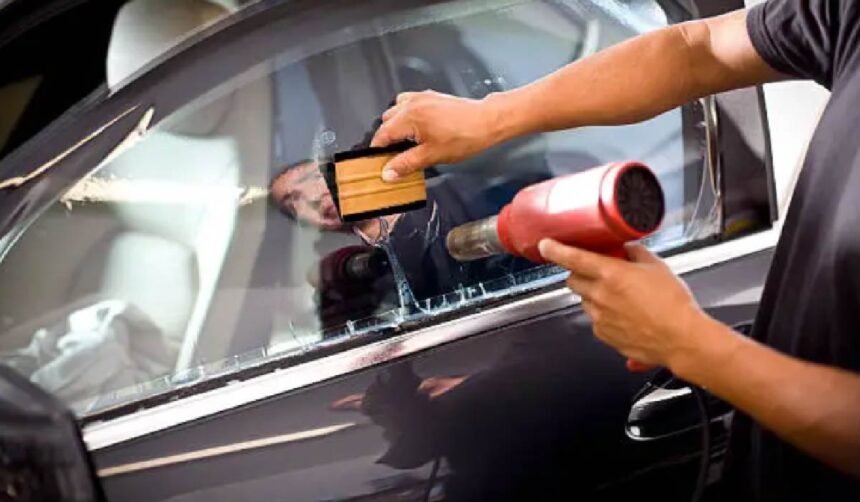
Due to the continual pursuit of efficiency in energy use, incorporation of sustainability, and comfort in the interiors of buildings and vehicles, the need for high-grade window films has increased as well. Discomfort in the hot season and the UV rays that harm health make the need to block heat and provide comfort a priority for managers of commercial properties, vehicle fleets, and construction firms. In result, the firms that manufacture window tints for commercial use have started to innovate advanced films that fulfill the demands of their heat-reduction technology. Many firms have been able to provide hybrid solutions focused on innovation and combining high heat rejection with varied style and construction with the aid of collaboration with vinyl wrap manufacturers.
The Development of Heat-Reducing Window Films
The last ten years have witnessed the greatest development window films have been able to achieve. The simplest of window films, previously and for a long time, consisted of dyed films that developed a poor quality and faded with time, as well as permitted a very low degree of heat rejection. Today, and with the right technological advancements, window films in this same price range utilize heat reflection, ceramics and multi-layer metallized technologies and perform considerably better.
From the perspective of a B2B, the benefits in respect to the development and use of advanced window films technology for windows in buildings are concrete: lower energy cost, a cool cabin temperature on vehicles and increased passenger comfort, and improved climate in a retail store. These films are meant to provide services and improve durability for years, and that in turn will mean lower maintenance and a consistent level of performance.
Manufacturers are also interested in adopting sustainable production methods. For businesses with strong environmental guidelines or compliance demands, non-toxic, eco-friendly films that meet all global safety standards are very appealing.
Key Benefits of Modern Heat-Reduction Films
The benefits of heat-reduction window films are certainly not limited to the aesthetics of the property. Companies that are investing in commercial space or fleets of vehicles will find the operational and financial benefits to be tremendous.
- Energy Efficiency: Current window films can block up to 80% of solar heat, leading to decreased use of HVAC systems and a reduction in operational costs.
- UV Protection: Cutting-edge films can eliminate up to 99% of the harmful UV rays, protecting furniture and vehicle interiors and sensitive equipment from fading.
- Glare Reduction: Increased visibility for drivers and improved productivity in offices, showrooms, and industrial settings are benefits of reduced glare.
- Enhanced Comfort: Businesses can promote employee, client, and customer well-being by ensuring comfortable interiors all year.
- Durability: The best window films will provide long lasting performance in extreme conditions and defend against bubbling, peeling, and fading.
The benefits vinyl wrap manufacturers offer can be very beneficial. Many use innovative film technologies and compatible materials to provide additional heat rejection and durability.
Innovations Driving Heat-Reduction Performance
Window tinting has experienced industry growth driven by advancements in technology. Enhancements in versatility, effectiveness, and reliability improve product offerings, especially for B2B clients. Among the most impressive advancements are:
- Ceramic-Based Films: These non-metallic window tints provide heat blockage without interference with electronic signals, a key feature for commercial vehicles and high-tech office equipment.
- Infrared-Reflective Technology: These window films focus on the primary heat-bearing portions of sunlight, the infrared rays, and thus provide superior cooling for interiors.
- Multi-Layer Constructions: These films are created from multiple materials with different properties and are able to reject heat, and preserve clarity and strength.
- Electrochromic or Smart Films: These films enable controlled opacity and heat rejection, which are beneficial for energy regulation and comfort in large public areas and office buildings.
- Hybrid Solutions with Vinyl Wraps: Heat reduction films and exterior customisation films are now available under a single product to provide enhanced protection and aesthetics simultaneously.
Customers in B2B segments are guaranteed the operational and strategic benefits of these technological advancements.
Selecting a Window Tint Manufacturer
When it comes to commercial use, picking the right supplier is crucial. B2B customers focus on a few factors when weighing potential candidates:
- Quality of Materials: Marker quality will determine performance including how long the film will last, how well it blocks heat, and the overall durability of the film.
- Ability to Customize: Custom capability is a sign of a low-range manufacturer. Manufacturers of high quality films will be able to customize more than just cars and buildings.
- Technical Support: Support means having guide, warranty, and warranty support to ensure the film performs to expectations after install.
- Sustainability and Compliance: The use of safe, non-toxic, and eco-friendly materials in production, in addition to meeting international safety guidelines, will help achieve goals in corporate social responsibility.
- Collaborative Solutions: Partnerships readily explore triads of window tint and vinyl wrap to achieve multifunctional goals of heat reduction, surface protection, and attractive appearance.
Time invested in finding the right manufacturer will ensure the business obtains a product that meets regulatory, performance, and aesthetic standards.
Emerging Trends and Future Directions
There are new innovations to consider within the heat-reduction film industry due to new policies on climate and changes in customer preferences. Here are the main emerging trends concerning the market for B2B clients:
- Smart Film Integration: Films that automatically adjust to heat-block and regulate temperature based on real-time weather conditions will soon be a requirement for commercial buildings and cars.
- Increased Adoption in Electric Vehicles: In electric vehicles, heat-reduction films are used for passenger comfort and to help the battery operate within the ideal temperature range.
- Increased Collaboration with Vinyl Wrap Manufacturers: Working with window tint manufacturers alongside vinyl wrap manufacturers streamlines the creation of hybrid solutions that achieve a balance between aesthetics, heat reduction, and surface protection.
- Sustainability Focus: Industry players have begun to adopt new environmentally safe production techniques, aligning with ESG corporate policies and climate regulations.
- Performance Measurement: New tools and methods allow B2B customers to assess the impact of window films on energy consumption, thereby influencing their facility management.
Understanding market trends will allow B2B customers to make the right long-term decisions regarding heat-reduction films.
Conclusion
The manufacturers of window film are pioneering methods to reduce heat. New window films provide outstanding energy efficiency, UV protection, and, most importantly, comfort to the occupants. For architectural projects, automotive fleets, and commercial enterprises, these advancements come with significant savings and operational efficiencies. Working with vinyl wrap manufacturers allows for the development of hybrid solutions that combine heat reduction with durability and beauty.
Through these, B2B clients are able to procure cutting-edge products that are value-oriented, operationally efficient, and in alignment with performance, compliance, and eco-sustainability ideals, especially if they choose reputable and seasoned manufacturers. As businesses look to the future, those that remain educated on the latest heat-reduction technologies will enjoy a competitive edge and operational efficiencies.