



Maintaining a clean and healthy living space is essential for comfort, wellbeing, and overall quality of life. In a large and busy city like London, homes are constantly exposed to dust, traffic pollution, and daily wear. These factors can affect both cleanliness and indoor air quality if not managed properly.
A well-maintained home supports good health, creates a positive atmosphere, and makes everyday living more enjoyable. With simple habits and regular attention, it is possible to keep a living space fresh and hygienic throughout the year.
The Importance of a Clean Home Environment
A clean home environment plays a vital role in protecting health. Dust, bacteria, and moisture can collect over time, especially in enclosed or poorly ventilated spaces. This can lead to allergies, breathing discomfort, and mold growth.
In London, many properties are older or designed to maximise space rather than airflow. Regular cleaning helps control these issues and supports a healthier indoor setting for individuals and families.
Establishing a Consistent Cleaning Routine
Consistency is key when it comes to maintaining cleanliness. A regular cleaning routine prevents dirt from building up and reduces the need for intense cleaning later on. Small daily actions, such as wiping surfaces and airing rooms, help keep the home under control.
Weekly cleaning allows for deeper attention to areas that are used most often. When cleaning becomes part of everyday life, it feels more manageable and less time-consuming.
Giving Attention to High-Use Areas
Certain areas of the home require more frequent cleaning due to regular use. Hallways, kitchens, and living rooms often collect the most dirt and dust. In London homes, outdoor pollutants are easily brought inside through shoes and clothing.
Keeping these areas clean helps prevent dirt from spreading to other rooms and improves the overall cleanliness of the home.
Supporting Better Indoor Air Quality
Good indoor air quality is essential for a healthy living space. Even when surfaces appear clean, the air inside a home can contain dust particles, allergens, and moisture. Opening windows daily allows fresh air to circulate and reduces stale air.
Extractor fans are particularly important in kitchens and bathrooms, where steam and humidity are common. The UK Health and Safety Executive highlights ventilation as an important factor in maintaining healthy indoor environments.
Caring for Soft Furnishings

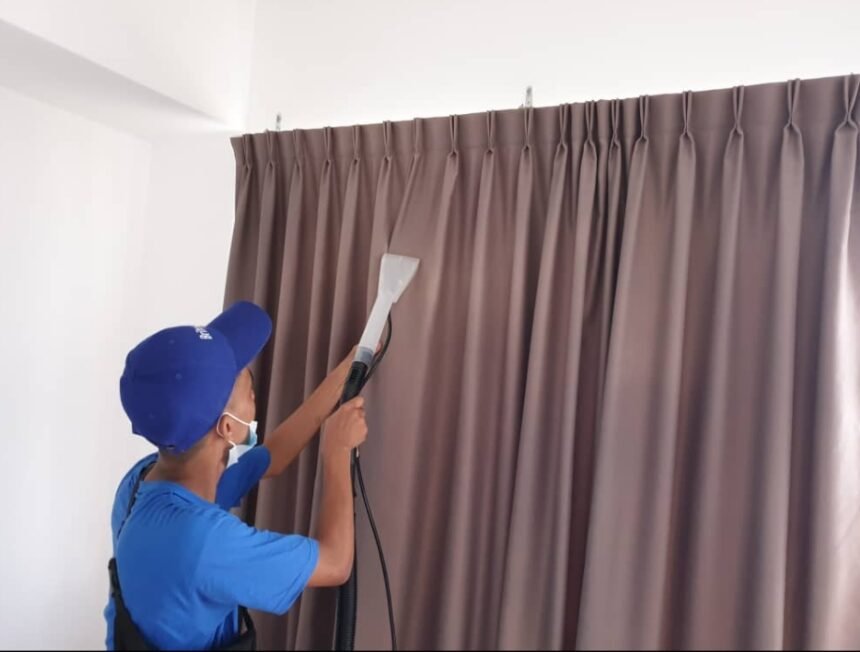
Soft furnishings such as curtains, rugs, and upholstered furniture can trap dust and airborne particles. In busy urban areas like London, these items may also absorb pollution from outside air. While regular vacuuming helps, deeper cleaning is often necessary. Many households and businesses rely on a Curtain Cleaning Service in London to maintain a healthier indoor environment and remove hidden dust from their homes or offices.
Maintaining a Hygienic Kitchen Space
The kitchen is one of the most important areas for household hygiene. Food preparation surfaces can easily collect bacteria if not cleaned regularly. Wiping down worktops after use and keeping sinks clean helps maintain a safe environment.
Appliances such as fridges and ovens should also be cleaned periodically. Keeping food storage organised and removing expired items supports cleanliness and reduces unwanted smells.
Managing Household Waste Effectively
Proper waste management is essential, particularly in London where living spaces may be compact. Emptying bins regularly and keeping waste areas clean helps prevent odours and pest issues.
Recycling correctly also contributes to a cleaner home and supports local environmental efforts across the city.
Bathroom Cleanliness and Moisture Control
Bathrooms are exposed to moisture every day, making them more likely to develop mould, mildew, and limescale. Regular cleaning of sinks, showers, and tiles helps prevent these issues.
Good ventilation is especially important in London properties where bathrooms may lack windows. Using extractor fans and drying surfaces after use can greatly reduce moisture levels.
Choosing Safe Cleaning Products
Using gentle and effective cleaning products supports a healthier home environment. Strong chemical cleaners can irritate skin and lungs, especially in smaller living spaces.
Many households now prefer mild cleaners that still provide good hygiene without harsh fumes, making them suitable for regular use.
Keeping Bedrooms Clean and Comfortable
Bedrooms should be calm and comfortable spaces that support rest. Regularly washing bedding, dusting surfaces, and vacuuming floors helps reduce dust mites and allergens.
In London, opening windows during quieter times of the day can help improve air quality without bringing in excess pollution. A clean bedroom promotes better sleep and relaxation.
Organising Storage to Reduce Clutter
Good storage helps maintain cleanliness by reducing clutter. Items stored neatly are easier to clean around and less likely to collect dust.
In smaller London homes, efficient storage solutions help balance comfort, organisation, and cleanliness without overcrowding the space.
Conclusion
Maintaining a clean and healthy living space is an important part of everyday life, especially in a busy city like London. Regular cleaning, good ventilation, and attention to high‑use areas help reduce dust, moisture, and everyday pollutants that can affect comfort and wellbeing. By developing simple routines and caring for both hard surfaces and soft furnishings, households can create an environment that feels fresh, organised, and safe throughout the year. Clean living is not about constant effort but about consistent habits that support long‑term health and comfort. For more practical guidance, you can read Tips for Maintaining a Clean and Healthy Living Space. With the right approach, any home in London can remain a pleasant and healthy place to live.