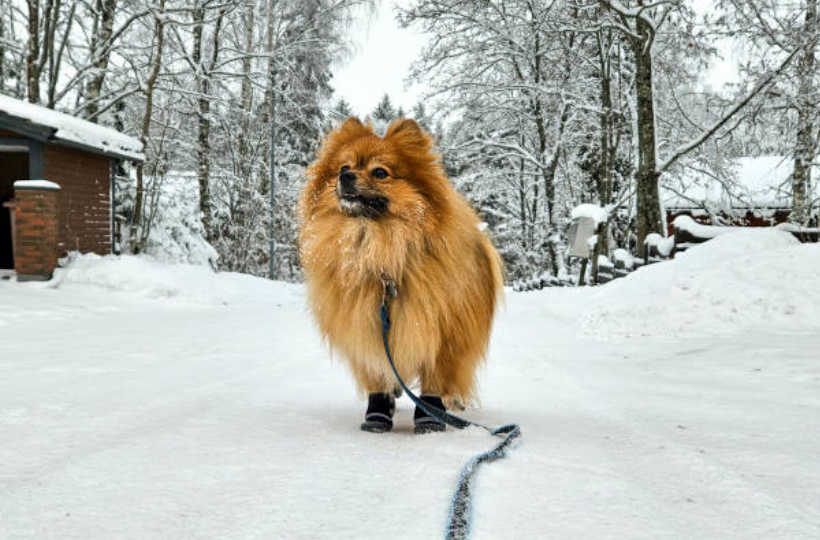
Small dogs may be tiny, but their daily challenges are often bigger than we think. One of the most overlooked issues is paw protection. From hot sidewalks to cold winter ground, a small dog’s paws face a lot every single day. That’s where dog shoes come in. Not as a fashion item, but as a practical solution for comfort, safety, and long-term paw health.
Many pet owners wonder if dog shoes are really necessary or if dogs can naturally handle outdoor surfaces. The truth is, small dogs usually need more protection than larger breeds. Their paws are softer, their stride is lighter, and they feel discomfort faster.
This guide explains when dog shoes make sense, how to choose the right pair, and how to help your dog wear them comfortably without stress.
Why Small Dogs Are More Sensitive to Ground Conditions
Small dogs walk closer to the ground, which means their paws absorb more direct heat, cold, and texture from the surface. Unlike larger dogs, they don’t have thick, tough pads built for long distances.
On hot days, pavement can heat up quickly and burn delicate paw pads. In winter, ice and road salt can cause cracking and irritation. Even indoor surfaces like polished tile or hardwood floors can be slippery, making it harder for small dogs to walk confidently.
Over time, repeated exposure to harsh surfaces can lead to sore paws, limping, or excessive licking. Shoes help create a protective barrier while still allowing natural movement.
Are Dog Shoes Cruel or Uncomfortable?
This is a common concern, and the answer depends entirely on fit and training. Poorly fitted shoes can feel restrictive, but well-designed dog shoes are made to support movement, not stop it.
Dogs don’t dislike shoes by default. They dislike sudden changes. When introduced properly, most small dogs adapt quickly and even associate shoes with positive experiences like going outside or walking longer without discomfort.
The key is choosing shoes designed specifically for smaller paws and allowing time for adjustment.
Dog Shoes vs Dog Booties: Understanding the Difference
People often confuse dog shoes and dog booties, but they serve slightly different purposes.
Dog shoes are usually designed for outdoor use. They have structured soles, better grip, and stronger protection against heat, rough ground, and sharp surfaces. They are ideal for walks, outdoor activities, and city environments.
Dog booties tend to be softer and lighter. Some are used indoors for traction, while others are designed for light outdoor use or short trips. If you’re looking for footwear built specifically for small breeds and everyday outdoor protection, you can explore dog shoes for small dogs.
Situations Where Dog Shoes Are Especially Helpful
Dog shoes aren’t something every dog needs all the time, but there are situations where they make a real difference.
They are especially useful during summer walks on hot pavement, winter walks with snow or salt, and trips across rough or uneven terrain. Shoes can also help older small dogs who struggle with balance on slippery floors.
For dogs with allergies, shoes reduce direct contact with grass, dust, and chemicals, helping prevent itching and paw irritation.
How to Measure Small Dog Paws Correctly
Getting the right size matters more than anything else. Shoes that are too small can rub, while shoes that are too big can slip off or twist while walking.
Always measure paws while your dog is standing, because paws spread under weight. Measure both width and length, and don’t assume front and back paws are the same size. Many small dogs have slightly larger front paws.
If your dog falls between sizes, adjustable straps can help fine-tune the fit. A secure but gentle fit is the goal.
What to Look for When Choosing Dog Shoes for Small Dogs
Small dogs need lightweight shoes that don’t interfere with their natural gait. Heavy or stiff designs can cause awkward walking.
Good dog shoes should have flexible soles that bend with movement. The interior should be smooth with no rough seams. Breathability is important, especially in warmer climates, to prevent moisture buildup.
Closures matter too. Adjustable straps help keep shoes in place without squeezing the leg. A snug fit around the ankle area helps prevent slipping during walks.
Helping Your Dog Get Used to Wearing Shoes
It’s completely normal for dogs to act strangely the first time they wear shoes. High steps, freezing in place, or funny walking styles are all part of the adjustment phase.
Start slowly and indoors. Let your dog sniff and investigate the shoes first. Then introduce one shoe at a time for short periods. Use praise or treats to create a positive association.
Once your dog seems comfortable indoors, move to short outdoor walks. Gradually increase time and distance. Rushing the process usually leads to resistance, while patience builds confidence.
Preventing Paw Irritation and Rubbing
Even well-fitted shoes should be checked regularly during the first few uses. After each walk, inspect your dog’s paws for redness or sensitivity.
Keeping nails trimmed helps shoes fit properly. Long fur around paws can also get caught in straps, so light trimming may help. If your dog shows signs of discomfort, stop using the shoes and reassess the fit or style.
Shoes should protect paws, not create new problems.
Seasonal Considerations for Dog Footwear
In summer, shoes protect against hot pavement, but walks should still be scheduled during cooler parts of the day. Shoes reduce risk, but they don’t eliminate heat entirely.
In winter, shoes protect against snow, ice, and road salt. After walks, always wipe paws and check for trapped ice or moisture. For lighter coverage or casual use, some owners prefer dog booties depending on climate and activity level.
During rainy seasons, shoes help keep paws clean and prevent slipping indoors afterward. Just make sure they are fully dried before the next use.
Cleaning and Maintaining Dog Shoes
Regular cleaning keeps dog shoes comfortable and hygienic. Dirt and debris should be shaken out after walks. Muddy shoes can be gently hand-washed with mild soap.
Always air-dry shoes completely before reuse. Avoid high heat, as it can damage the sole or straps. Periodically inspect closures and stitching to ensure everything stays secure.
Final Thoughts: Are Dog Shoes Worth It for Small Dogs?
For many small dogs, the answer is yes. Dog shoes provide comfort, protection, and confidence in environments that would otherwise be uncomfortable or unsafe. When chosen carefully and introduced properly, they become a helpful part of everyday care.
The goal isn’t to force shoes on every dog, but to use them as a practical tool when conditions demand it. Happy paws lead to happier walks, and that’s something both dogs and owners can appreciate.
FAQs
- Can small dogs walk normally in shoes?
Yes, once they adjust. Most small dogs adapt within a few short sessions when shoes fit properly and are introduced gradually.
- How long can my dog wear shoes?
Shoes are best used during walks or short outings. They shouldn’t be worn all day, as paws need airflow and rest.
- Are dog shoes safe for puppies?
They can be, but puppies grow quickly. Frequent resizing is needed, and shoes should only be used when necessary.
- What if my dog refuses to wear shoes?
Start slow and indoors, use positive reinforcement, and never force them. If discomfort continues, the size or style may not be right.