Every technological revolution forces society to ask difficult questions. In healthcare, those questions are especially consequential.
As artificial intelligence and robotics advance, voices from the technology sector increasingly suggest that human professionals—surgeons included—may one day become obsolete. Efficiency, scalability, and error reduction are often cited as justification for this vision.
But medicine is not purely a technical discipline.
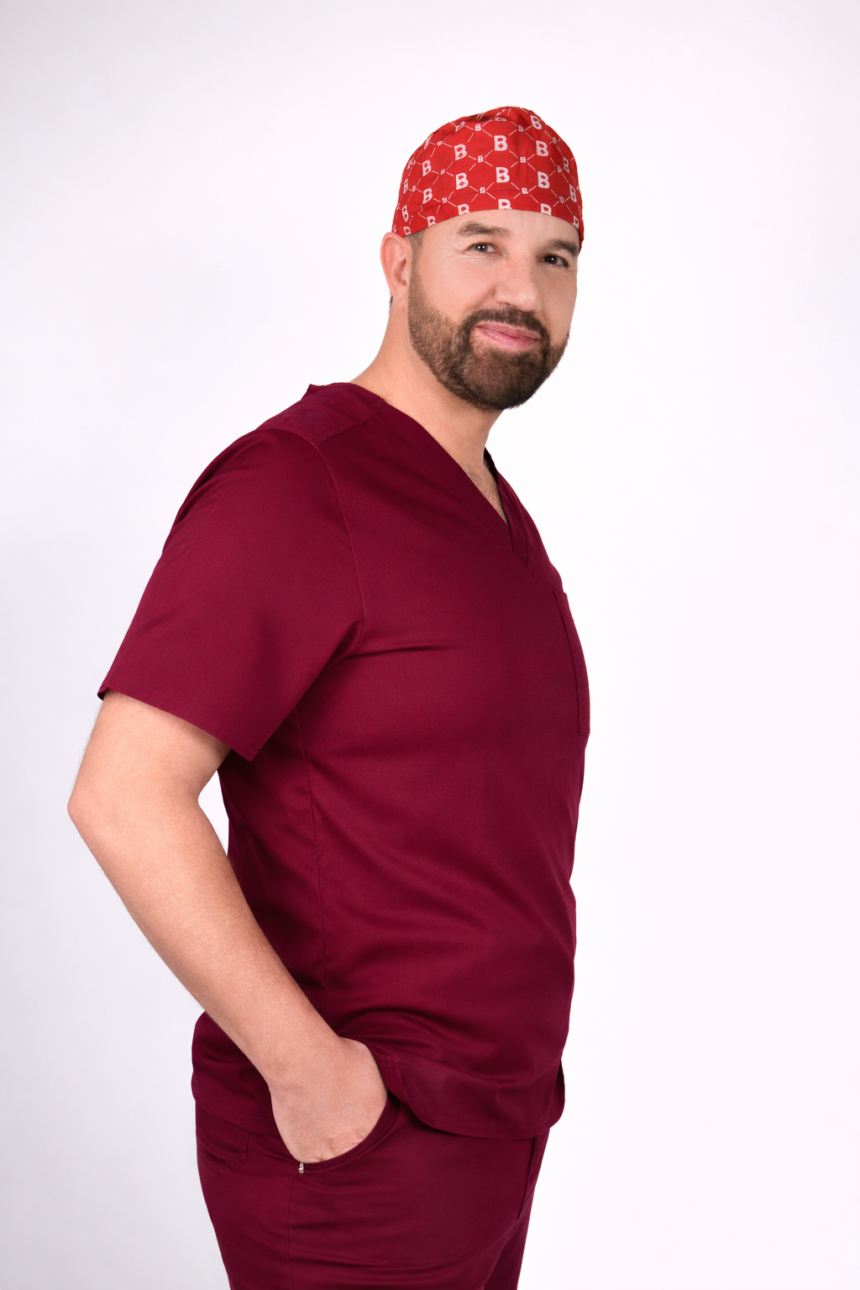
Dr. Bülent Cihantimur, founder of Estetik International, argues that the future of medicine depends not on replacing doctors with machines, but on redefining how technology supports ethical human decision-making.
Technology excels at precision.
Ethics require judgment.
In surgery, decisions are rarely binary. Unexpected anatomical variations, real-time complications, and patient-specific risks demand adaptive thinking. These moments require responsibility—someone who understands the consequences of each decision and accepts accountability for them.
A machine does not bear moral weight.
A surgeon does.
This distinction becomes critical when outcomes are irreversible. Surgical decisions shape not only physical results but also identity, confidence, and quality of life. Particularly in aesthetic and reconstructive medicine, the surgeon’s role extends far beyond technical execution.
Dr. Cihantimur’s philosophy is rooted in balance. At Estetik International, advanced technologies—AI-assisted imaging, precision tools, and data-driven planning—are integrated thoughtfully. These innovations enhance safety and accuracy, but they remain tools under human control.
Technology, in this model, amplifies expertise rather than replacing it.
The ethical challenge of the future is not whether machines can perform surgical tasks. It is whether society is willing to remove human judgment from decisions that carry permanent consequences.
Automation may reduce certain categories of error.
It cannot replace accountability.
When complications arise, patients do not seek answers from software. They seek understanding, explanation, and reassurance from a human professional who accepts responsibility for their care.
Medicine has always been defined by trust. That trust is built not on algorithms, but on relationships.
The most sustainable future for healthcare is one in which technology strengthens human capability while preserving ethical responsibility. Surgeons must evolve alongside innovation—but they must not disappear behind it.
The future of surgery will be more precise, more data-informed, and more technologically advanced than ever before.
But it will not be less human.