



The Evolution of Luxury Hospitality in Formula 1
Formula 1 race weekends represent the height of motorsport spectacle, drawing global attention not just for the high-octane competition but for the exclusive experiences that unfold beyond the track. The world of F1 hospitality has changed into a refined ecosystem. Luxury, networking and unprecedented access come together in environments where business leaders and affluent enthusiasts witness the sport from privileged positions.
The Paddock Club Revolution
Formula 1 hospitality has changed dramatically since its early days. What began as simple paddock passes for sponsors has grown into sophisticated, multi-layered experiences. The 1980s marked a decisive shift toward exclusive tiers, which has accelerated in recent years as F1 events became important for luxury brand engagement.
Today’s guests seek immersive environments and seamless interactions with the sport. Those who explore F1 hospitality packages gain access to privileges like garage tours and driver meet-and-greets. This progression has positioned Formula 1 firmly in the luxury travel sector, turning corporate entertainment into exceptional experiences that build brand loyalty.
Liberty Media’s leadership since 2017 and popular shows like “Drive to Survive” have sparked unprecedented interest. Venues report substantial increases in hospitality enquiries, particularly after the Netflix series gained popularity. Industry analysts forecast the global sports hospitality market to reach £148.75 billion by 2032, with Formula 1 leading in premium event value.
Behind the Scenes of Elite Grand Prix Experiences
The F1 Paddock Club established in the mid-1980s has set the standard for sports event luxury worldwide. What started modestly has become the benchmark against which the industry measures itself. Modern Paddock Club features include climate-controlled suites, gourmet dining from top chefs, and team garage access.
Corporate guests appreciate this exclusivity, often paying premium rates for networking in an environment designed for relationship building. The setting is designed to deliver outcomes that justify investment by major clients and sponsors. Each element shows attention to detail that makes the F1 hospitality experience unique.
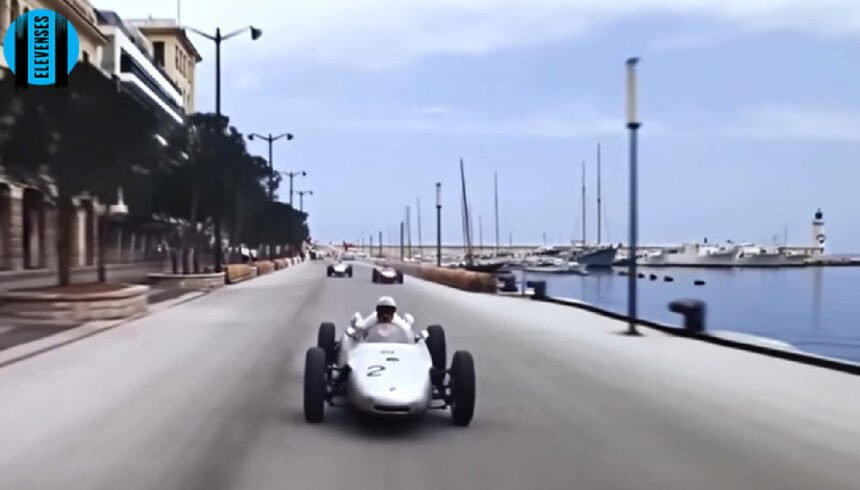
Delivering world-class trackside hospitality requires careful planning at every venue. Each Grand Prix presents unique logistical challenges, from Monaco’s narrow streets to extreme heat in Middle Eastern locations. Teams construct and dismantle hospitality villages with precision, sometimes starting weeks in advance.
Premium Formula 1 hospitality is known for its high service standards and well-trained staff. Preparation for each race weekend involves detailed planning and operational rehearsals. Attention to guest needs, including dining and technical briefings, helps ensure a memorable experience for all attendees.
VIP security involves coordinated planning with local authorities and private teams. Discrete entrances, secure transport, and privacy agreements protect guests while allowing movement between venues. Staff sign confidentiality agreements, and private spaces shield high-profile attendees. Regular risk reviews ensure both safety and exclusivity.
The Culinary Grand Prix
Sustainability has become essential for luxury structures at Grand Prix events. Silverstone uses recycled materials and efficient assembly to reduce waste. The Jeddah Corniche Circuit employs renewable energy to manage extreme weather demands. Local ingredient sourcing reduces environmental impact and supports corporate sustainability goals, backed by carbon audits and reporting.
Delivering consistent dining quality presents logistical challenges. Equipment, kitchen setups, and ingredients travel globally under strict schedules. The Paddock Club’s culinary operations move with the circuit, with sponsors handling customs and local partners supporting production. Months of planning prevent disruptions to the guest experience.
Menus at venues like Silverstone and Singapore feature regional dishes created with local culinary experts. This approach gives guests a sense of place alongside international standards while benefiting surrounding communities and supporting responsible sourcing practices.
Wine and champagne service remains central to the experience. Ferrari Trento provides the champagne, while hospitality suites curate premium selections from renowned vineyards. These partnerships create exclusive brand associations throughout race weekends.
The Business Impact of Trackside Hospitality
Formula 1 corporate hospitality is regarded as delivering measurable business results. Companies often track conversion metrics, deal progress, and client relationship developments following race weekend events. When executed effectively, these experiences can help shorten sales cycles with strategic clients and create meaningful connections.
Shared racing excitement breaks down barriers, opening channels for cooperation and fresh business opportunities. Relationship-building in exclusive suites advances business discussions as guests connect in a relaxed yet vibrant atmosphere.
Operators increasingly align hospitality with sponsorship strategy, ensuring guest experiences support brand objectives at every touchpoint. This thoughtful approach maximises return on investment for corporate clients while creating memorable experiences for all attendees.
The Future of Premium Motorsport Experiences
Innovation continues to shape F1’s premium options. Guests now encounter augmented reality displays showing real-time race data and car information. New access methods, including helicopter transfers and express immigration lanes, create smoother guest experiences at high-profile events. Personalised concierge services often complement race day itself.
Sustainability remains a driving force in hospitality development. Teams focus on carbon-neutral operations, zero waste initiatives, and responsible sourcing to meet both corporate and guest expectations. These efforts reflect growing awareness of environmental responsibility in luxury experiences.
Venues like Saudi Arabia’s Jeddah Corniche Circuit and Miami’s Autodrome design hospitality spaces from the ground up. This results in purpose-built luxury rather than adapting existing structures. The approach allows for new design ideas and optimal guest flow.
A wellness trend is emerging among guests. Meditation spaces and recovery zones now complement viewing suites, showing that balance and relaxation are valued alongside racing excitement. This complete approach appeals to guests seeking rich experiences.
Democratising Premium Access
Tiered hospitality packages now give entry to exclusive F1 experiences at more accessible price points. These options appeal to emerging luxury consumers, offering benefits like gourmet cuisine, prime seats, and lounge access. This flexible approach suits younger, experience-driven guests who prefer personalisation without full-scale investment.
New digital booking platforms simplify access to premium spaces, with mobile-friendly options and transparent pricing. Official F1 and partner sites provide virtual tours, making the process easier and building trust through clarity. This technological progress has made F1 hospitality available to a wider audience.
Solo travellers and smaller groups can join shared suites designed for individual guests rather than large corporate parties. These spaces create connections among racing fans while maintaining high hospitality standards. Clear pre-event communication and staff support every attendee throughout the experience.
For More Information Visit Fourmagazine