



Key Highlights:
- Why moral values and ethics begin forming in the early years, long before formal academic learning takes hold
- How everyday interactions in early years settings quietly shape children’s sense of right and wrong
- The role of the EYFS in embedding personal, social, and emotional development into daily practice
- Why values-led early years environments support long-term confidence, resilience, and self-regulation
- What families should look for in early years provision when choosing a private school in London
For many parents today, the meaning of a good education extends well beyond academic achievement. Families are increasingly asking more considered questions. Will my child grow into a kind and thoughtful individual? Will they develop resilience in the face of challenge? Will they learn to treat others with genuine respect and empathy? These qualities matter not only within the classroom, but across every stage of adult life. Importantly, they begin to take shape far earlier than many realise, during the formative early years when children first start to interpret and understand the world around them.
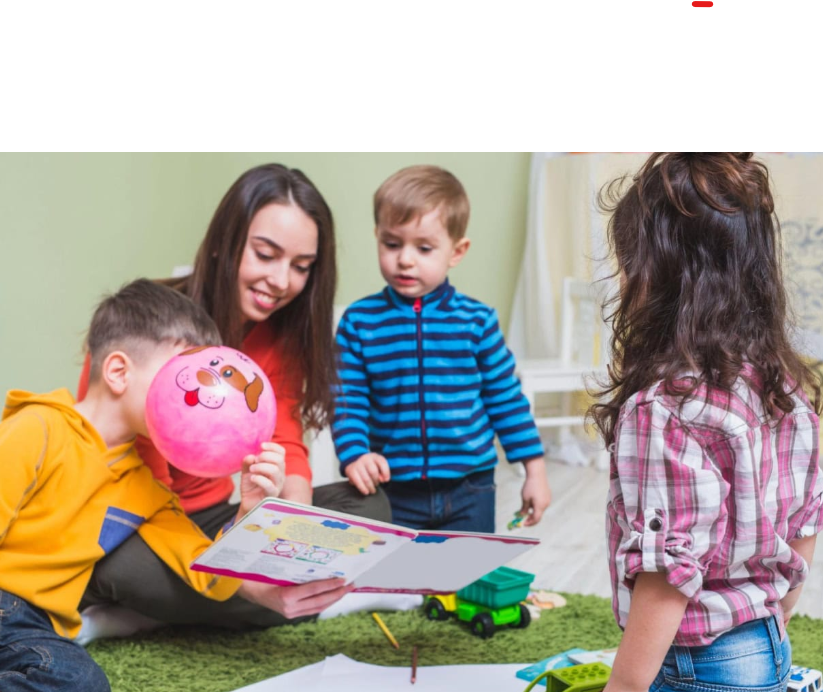
Early childhood is a period of rapid emotional and social development. Children begin to identify emotions in themselves and others, learn how to manage frustration, and discover what it means to be part of a group. Moral understanding at this age is practical rather than theoretical. It is learned through lived experience: waiting patiently for a turn, sharing materials, offering an apology, and being encouraged to persevere after disappointment. These everyday moments quietly shape a child’s sense of right and wrong.
This developmental reality is reflected in the UK’s Early Years Foundation Stage (EYFS). The EYFS places Personal, Social and Emotional Development at the centre of early education, recognising that emotional security and social awareness underpin all future learning. Moral development is not delivered as a discrete subject. Instead, it is embedded within daily routines, language, and adult behaviour. Children learn values by observing how trusted adults respond to challenges, resolve conflicts, and model respect in ordinary interactions.
There is strong evidence to support this approach. The Education Endowment Foundation highlights that early personal, social, and emotional development contributes to positive long-term outcomes, including improved behaviour, sustained engagement with learning, and stronger emotional wellbeing (https://educationendowmentfoundation.org.uk/early-years/evidence-store/personal-social-and-emotional-development). Simply put, children who feel secure, understood, and supported in their early years are better equipped to thrive as they grow.
High-quality early years settings take this responsibility seriously. In smaller class environments, practitioners are able to observe children closely and respond to individual needs with sensitivity and intention. This enables behaviour to be guided thoughtfully rather than managed reactively. When a child struggles, the emphasis is placed on understanding and support rather than correction alone. Over time, children learn to reflect on their actions, develop self-regulation, and take responsibility in ways that are appropriate to their stage of development.
This is one reason many families seeking a private school in South East London place such emphasis on early years provision. Parents are rarely looking solely for early academic preparation. They want reassurance that their child will be recognised as an individual, supported emotionally, and guided consistently. Personalised attention allows educators to notice subtle changes in behaviour, confidence, or engagement and respond before small difficulties become lasting challenges.
The contrast between a values-led early years environment and one that prioritises academic outcomes alone often becomes more apparent over time:
| Focus | Values-led Early Years Setting | Narrow Academic Focus |
|---|---|---|
| Moral learning | Integrated into daily interactions | Often assumed rather than taught |
| Emotional development | Actively nurtured | Secondary consideration |
| Adult guidance | Calm, consistent, reflective | Task-oriented and time-driven |
| Long-term impact | Confidence and self-regulation | Risk of emotional gaps |
Family-run preparatory schools often bring particular strength to this area. With stable leadership and a clearly articulated ethos, they are well placed to maintain continuity of values and foster close, trusting relationships among staff, pupils, and parents. Children benefit from a strong sense of belonging and emotional security, both of which provide fertile ground for moral development.
This approach can be seen in practice at Heath House Preparatory School in Blackheath. Established in 1993, the school supports children aged three to eleven through small class sizes, personalised learning, and a holistic educational philosophy. Within its early years provision, values such as respect, resilience, and kindness are treated as an integral part of daily life, reinforced through consistent routines and adult examples, in keeping with the principles of the Early Years Foundation Stage.
Another essential factor in nurturing moral values is alignment between home and school. When parents and educators share expectations around behaviour, language, and boundaries, children experience a coherent and predictable framework. This consistency provides reassurance and clarity, helping children understand what is expected of them and why. Early years settings that prioritise open communication with families support children in internalising values with confidence and ease.
Individual Education Plans also play an important role in supporting moral and emotional growth. When used thoughtfully, they extend beyond academic differentiation to address emotional needs, whether that involves building confidence, supporting peer relationships, or developing self-control. A personalised approach ensures children are guided with patience and understanding rather than pressure.
The Office for Standards in Education, Children’s Services and Skills (Ofsted) has increasingly prioritised personal development, reflecting a broader shift in how educational quality is assessed. Schools are now expected to demonstrate how they support emotional maturity, behaviour, and social responsibility alongside academic progress. This aligns closely with what many parents already recognise: long-term success depends as much on character as it does on capability.
For families considering a private prep school, London decisions made in the early years carry lasting significance. These choices influence how children relate to learning, authority, and relationships. A strong early years environment does more than prepare children for the next stage of schooling. It provides emotional security, moral grounding, and the confidence to engage positively with the wider world.
The early years pass quickly, but their influence endures. Choosing an educational setting that values moral and ethical development alongside academic foundations is an investment in the person a child will become. For parents who value depth, care, and long-term outcomes, early education rooted in strong values offers quiet reassurance that their child is being prepared not just for school, but for life.