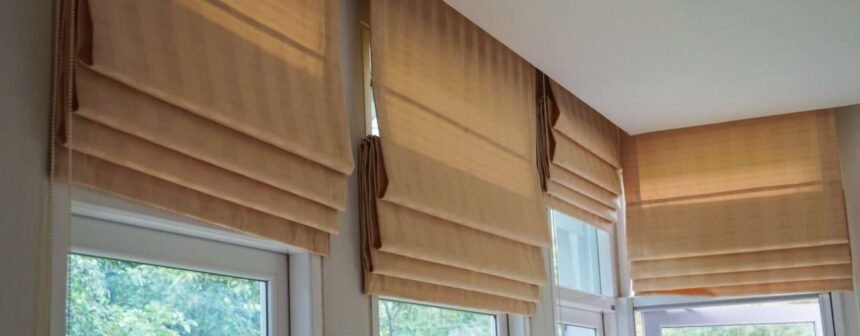
Interior design often focuses on furniture, colours, and lighting. Window treatments are equally influential. They shape the atmosphere of a room, control natural light, and contribute to overall design balance.
Roman blinds have remained a popular window covering for centuries. Their elegant folds, fabric versatility, and practical functionality make them suitable for a wide range of interiors.
Homeowners looking to combine design with practicality often explore Roman Blinds as a sophisticated solution for modern living spaces.
This guide explains how Roman blinds work, why they continue to be widely used, and how to select the right style for your home.
TL;DR
- Roman blinds fold into structured horizontal pleats when raised.
- They combine the decorative softness of curtains with the practicality of blinds.
- Fabric choice determines privacy, light control, and insulation.
- Popular styles include flat, relaxed, and hobbled Roman blinds.
- Roman blinds suit bedrooms, living rooms, kitchens, and home offices.
What Are Roman Blinds?
Roman blinds are fabric window coverings that lift upward into evenly spaced folds.
The lifting mechanism uses cords or chains connected to a headrail system. When raised, the fabric stacks into pleats. When lowered, it forms a smooth panel across the window.
“Roman blinds provide a clean, tailored window covering with structured fabric folds.”
The design traces back to ancient Rome. Historical accounts describe cloth panels used to block dust from entering homes through open windows.
Modern Roman blinds maintain the same folding concept but use improved materials and mechanisms.
How Roman Blinds Work
Roman blinds operate through a lifting system built into the back of the fabric panel.
This system pulls cords evenly through rings or fabric channels.
Main components
A typical Roman blind contains:
- A fabric panel
- Horizontal rods or battens
- Cord or chain lifting mechanism
- Headrail mounting system
- Control chain or motorised unit
Basic operating steps
- The user pulls the chain or cord.
- The headrail mechanism lifts the cords evenly.
- Fabric folds stack upward.
- The blind locks at the selected height.
Motorised Roman blinds perform the same action automatically using a small electric motor.
Why Roman Blinds Remain Popular
Roman blinds offer a balance between functionality and design flexibility.
Elegant visual appeal
Roman blinds introduce texture and softness to a room. The folded fabric adds depth and structure to the window.
Wide range of fabric choices
Roman blinds can be made from numerous materials including cotton, linen, velvet, and synthetic blends.
This variety allows them to complement many interior styles.
Flexible light control
Different fabrics create different lighting conditions.
Examples include:
- light-filtering fabrics for soft daylight
- medium fabrics for balanced privacy and brightness
- blackout linings for total light blocking
Thermal efficiency
Fabric blinds provide an extra layer across the window.
According to the UK Energy Saving Trust (2024), insulating window coverings can reduce household heat loss.
Space-saving design
Roman blinds sit close to the window frame. This makes them ideal for compact rooms or recessed window areas.
Types of Roman Blinds
Different styles produce different aesthetic results.
Flat Roman Blinds
Flat Roman blinds appear smooth when lowered.
This style highlights patterned fabrics without interruption.
Flat Roman blinds suit modern or minimalist interiors.
Relaxed Roman Blinds
Relaxed Roman blinds feature a gentle curve at the bottom edge.
This design creates a softer, more casual appearance.
They are often used in cottage-style interiors.
Hobbled Roman Blinds
Hobbled Roman blinds create cascading folds even when fully lowered.
The layered folds add visual depth to the window.
Choosing the Right Fabric
Fabric selection affects both the performance and appearance of Roman blinds.
Cotton
Cotton fabrics are popular due to their versatility and breathability.
They are available in a wide variety of patterns and colours.
Linen
Linen produces a natural textured appearance.
It works well in Scandinavian-inspired or relaxed interiors.
Polyester blends
Polyester fabrics offer durability and stain resistance.
They are suitable for kitchens and high-use areas.
Blackout fabrics
Blackout lining blocks nearly all external light.
Bedrooms often benefit from this feature.
“Blackout Roman blinds help maintain darker sleep environments.”
Ideal Rooms for Roman Blinds
Roman blinds work well throughout the home.
Living rooms
They add visual interest to large windows.
Patterned fabrics can act as statement design features.
Bedrooms
Blackout Roman blinds help reduce outside light.
This supports a more comfortable sleeping environment.
Kitchens
Compact Roman blinds are practical for windows above sinks or counters.
Durable fabrics are recommended for this environment.
Home offices
Roman blinds reduce glare while allowing natural light to enter.
This helps create a comfortable workspace.
Roman Blinds vs Roller Blinds
Roman blinds and roller blinds serve similar functions but differ in design.
| Feature | Roman Blinds | Roller Blinds |
| Fabric style | Structured folds | Smooth roll |
| Visual impact | Decorative | Minimalist |
| Fabric flexibility | High | Moderate |
| Maintenance | Moderate | Easy |
Key takeaway: Roman blinds emphasise style, while roller blinds prioritise simplicity.
Measuring Windows for Roman Blinds
Correct measurements ensure the blind fits properly.
Measuring guide
- Measure the width of the window recess.
- Measure the drop from the top of the recess to the sill.
- Check measurements at three points.
- Use the smallest measurement when ordering.
Outside-recess installation requires extra width to cover the window fully.
Motorised Roman Blinds
Motorised Roman blinds are becoming increasingly common in modern homes.
They operate using a small electric motor integrated into the headrail.
Advantages include:
- remote control operation
- integration with smart home systems
- improved child safety
- automated scheduling
Smart blinds can be programmed to open and close at specific times.
Maintenance and Cleaning
Roman blinds require simple maintenance.
Routine care
- Dust with a soft brush or vacuum attachment
- Spot clean stains with mild detergent
- Avoid soaking the lifting mechanism
Deep cleaning
Some Roman blinds allow the fabric panel to detach for washing.
Professional cleaning may be recommended for delicate fabrics.
Internal Linking Opportunities for Four Magazine
For a lifestyle publication like Four Magazine, this article could connect to related topics such as:
- Luxury interior design trends
- Modern home styling tips
- Ways to improve natural lighting in interiors
- Smart home design innovations
These links help build an interior design content cluster.
FAQ: Roman Blinds
What are Roman blinds used for?
Roman blinds provide light control, privacy, and decorative enhancement for windows.
They combine fabric aesthetics with functional window covering.
Are Roman blinds suitable for bedrooms?
Yes. Roman blinds with blackout lining block most outside light and support better sleep.
Are Roman blinds energy efficient?
Fabric window coverings add insulation to windows.
This can help reduce heat loss during colder months.
Are Roman blinds easy to maintain?
Most Roman blinds require occasional dusting and spot cleaning.
Removable fabric panels make deeper cleaning easier.
Do Roman blinds work in kitchens?
Yes. Durable fabrics allow Roman blinds to function well in kitchen environments.
Final Thoughts
Roman blinds remain one of the most adaptable window treatments available today.
Their structured folds create an elegant look. Their wide fabric selection allows them to suit a variety of interior styles.
From contemporary apartments to traditional homes, Roman blinds deliver both visual appeal and practical functionality.
Homeowners interested in stylish window coverings often explore Roman Blinds as a flexible solution for enhancing interior spaces.
Explore fabric options and custom designs here:
https://www.britishmadeinteriors.com/roman-blinds