



Paint protection adds 5-15% to your car’s resale value in the UK market by preventing oxidation, rock chips, and swirl marks that reduce buyer appeal. Professional-grade solutions like ceramic coatings and paint protection film deliver documented ROI by maintaining showroom-fresh paintwork throughout ownership.
Why Paint Condition Drives UK Resale Values
Paint condition directly impacts how much buyers will pay for your vehicle. According to Motorway’s 2026 UK depreciation data, cars lose 38.72% of their value over three years on average, but paint damage accelerates this decline by an additional 5-10%.
Over 70% of UK car buyers consider exterior condition their primary purchasing criterion. Visible defects like rock chips, swirl marks, and UV oxidation signal neglect, triggering immediate price reductions. A £20,000 vehicle with poor paintwork loses £1,000-£2,000 in value compared to identical cars with pristine finishes.
Paint damage is permanent deterioration that exposes underlying metal to moisture and contaminants. Paint protection is not merely cosmetic—it’s a barrier preventing chemical bonds in your clearcoat from breaking down under UV exposure, road salt, and acidic contaminants.
| Paint Condition | Average Value Loss | Buyer Perception |
|---|---|---|
| Pristine (protected) | 35-40% (3 years) | Well-maintained, premium |
| Minor chips/swirls | 43-48% (3 years) | Average care, negotiable |
| Oxidation/deep scratches | 50-55% (3 years) | Neglected, wholesale only |
According to research from dealership networks, 92% of decision-makers confirm that vehicles with documented paint protection fetch higher prices as pre-owned inventory. The protection becomes a selling point rather than a hidden maintenance cost.
Ceramic Coating: Professional-Grade Protection
Ceramic coating creates a chemically bonded 9h-hardness layer that protects against contaminants, UV rays, and washing chemicals whilst maintaining gloss for 5-9 years. Unlike traditional wax that degrades monthly, professional ceramic solutions like Gtechniq Crystal Serum form permanent molecular bonds with your clearcoat.
The resale value advantage comes from preventing oxidation and maintaining depth of gloss. Buyers instantly recognise well-maintained paintwork—ceramic-coated vehicles show no swirl marks under dealership lighting, no dullness from UV exposure, and water beads off during inspections. This visual evidence of care justifies premium pricing.
Professional application costs £400-£800 for mainstream vehicles, but the investment prevents £1,000-£2,000 in paint-related depreciation. According to Keystone Detail’s trade-in analysis, ceramic-coated vehicles command 5-8% higher prices in private sales.
Ceramic coating is a permanent chemical bond requiring surface preparation and controlled application. It is not a DIY-friendly product for inexperienced users—improper application creates high spots and streaking that reduce value rather than enhance it.
| Coating Type | Durability | Cost | Value Preservation |
|---|---|---|---|
| Traditional wax | 4-8 weeks | £15-30 | Minimal |
| Ceramic sealant | 6-12 months | £50-150 | Moderate |
| Professional ceramic | 5-9 years | £400-800 | High (5-8% premium) |
| Graphene coating | 7-10 years | £600-1,200 | Very high (8-12% premium) |
The key to maximising resale ROI lies in documentation. Keep application certificates, maintenance records, and before/after photos. Buyers pay premiums for verified protection, not verbal claims.
Paint Protection Film for High-Impact Areas
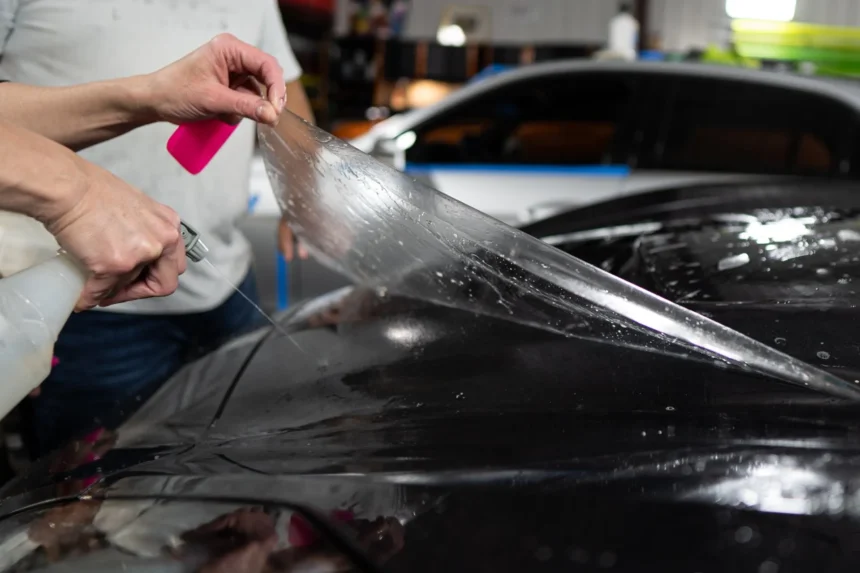
Paint protection film (PPF) delivers the strongest resale value gains for luxury and performance vehicles by preventing rock chips on bonnets, front bumpers, and wing mirrors. This self-healing urethane film absorbs impacts that would otherwise create permanent paint damage.
According to industry surveys, PPF can add up to 15% to a vehicle’s resale value, with documented increases of £9,000-£12,000 on luxury cars. The RAC confirms that PPF-protected vehicles show significantly higher trade-in values when the film is removed to reveal factory-fresh paint underneath.
Partial PPF coverage costs £600-£1,500 for high-impact zones, whilst full-front packages run £1,200-£3,000. The ROI justification depends on vehicle value—PPF makes financial sense for cars over £30,000 where paint damage disproportionately affects resale prices.
PPF’s self-healing properties mean minor scratches disappear with heat application, maintaining flawless appearance throughout ownership. When selling, you can choose to remove the film to showcase pristine original paint or leave it as continued protection for the new owner.
| Coverage Area | Cost Range | Rock Chip Prevention | Resale Impact |
|---|---|---|---|
| Bonnet only | £600-900 | Front impact zone | 3-5% premium |
| Front bumper + bonnet | £1,000-1,500 | Primary zones | 5-8% premium |
| Full front-end | £1,500-2,500 | Comprehensive | 8-12% premium |
| Full vehicle wrap | £3,500-6,000 | Complete protection | 12-15% premium |
PPF is appropriate for vehicles with high motorway mileage exposure or premium finishes where paint repairs exceed £500. It is not cost-effective for budget vehicles under £15,000 where the protection cost approaches the potential depreciation benefit.
Strategic Maintenance: Documentation Matters
Regular maintenance documentation proves your paint protection investment to buyers, converting invisible protection into tangible value. Keep digital records of professional detailing, coating maintenance, and inspection reports that demonstrate ongoing care.
Buyers pay premiums for verified protection history. When you present certificates from accredited installers, maintenance logs showing proper care products, and dated photos documenting paintwork evolution, you’re selling proof of value preservation rather than making unsupported claims.
Schedule annual inspections with certified detailers who can provide condition reports. These third-party assessments carry weight with sceptical buyers and justify asking prices 5-10% above comparable vehicles without documentation.
Create a “paint protection portfolio” containing application certificates, product specifications, maintenance schedules, and condition reports. Present this during sales negotiations as evidence supporting your premium pricing. According to detailing professionals, documented protection increases buyer confidence and reduces price negotiations.
| Documentation Type | Buyer Impact | Implementation |
|---|---|---|
| Application certificate | High trust factor | Request from installer |
| Maintenance logs | Proves ongoing care | Track product usage, dates |
| Condition reports | Third-party verification | Annual detailer inspection |
| Before/after photos | Visual proof | Document at application, annually |
Protection maintenance is using pH-neutral wash products, avoiding automated car washes with harsh chemicals, and applying recommended toppers every 6-12 months. Maintenance is not optional—neglected ceramic coatings develop water spotting and lose hydrophobic properties, negating the resale advantage.
The documentation strategy works because it addresses buyer uncertainty. Most used car buyers assume sellers overstate condition, but professional certificates and maintenance records overcome this scepticism with objective evidence.
Timing Your Protection Investment
Apply paint protection within the first 6-12 months of ownership to maximise ROI. New vehicles offer the cleanest surface for bonding, whilst early application maximises the years of protection before resale. Waiting until year three or four reduces the resale benefit because buyers won’t see the full protection lifespan.
For used vehicle purchases, assess existing paint condition first. If the clearcoat shows oxidation or deep swirls, paint correction must precede protection—adding £200-500 to total costs. Sometimes accepting existing damage and pricing accordingly proves more economical than correction plus protection.
Consider your ownership timeline when selecting protection grade. If you’ll sell within three years, mid-tier ceramic coatings (£300-500) offer optimal ROI. Planning 5+ year ownership justifies premium graphene or PPF solutions that maintain value throughout extended depreciation curves.
According to UK depreciation patterns, vehicles lose the most value in years one through three. Protection applied during this period prevents damage during peak depreciation, compounding your resale advantage when the market already expects significant deterioration.
| Ownership Timeline | Recommended Protection | Cost Range | Expected ROI |
|---|---|---|---|
| 1-2 years | Ceramic sealant | £150-300 | 2-3x return |
| 3-4 years | Professional ceramic | £400-800 | 3-5x return |
| 5-7 years | Premium ceramic + PPF | £1,000-2,000 | 4-6x return |
| 8+ years | Full PPF wrap | £2,500-4,000 | 5-8x return |
Protection timing is strategic—apply when paint is newest or immediately after correction to maximise bonding and protection years. It is not effective when applied to severely damaged paint without proper preparation, as the coating simply preserves existing defects.
Determining whether ceramic coating is worth the investment depends on these timing factors combined with your vehicle’s value category and expected ownership duration.
Frequently Asked Questions
How much value does paint protection add to a car?
Paint protection typically adds 5-10% to a vehicle’s resale value, representing £1,000-£2,000 for most cars. According to dealership surveys, 92% of decision-makers confirm that vehicles with comprehensive paint protection fetch higher prices as pre-owned inventory. For luxury vehicles, the increase can reach 15-20%, particularly when protection is professionally documented with certificates and maintenance records.
Is ceramic coating worth it for resale value?
Ceramic coating is worth it for resale value because it prevents oxidation, maintains gloss, and demonstrates proper vehicle maintenance to buyers. Professional-grade coatings like Gtechniq Crystal Serum create a chemically bonded layer that protects against UV damage, contaminants, and washing chemicals for up to 5-9 years. Buyers recognise well-maintained paintwork immediately, and ceramic coating certificates serve as proof of care that justifies premium pricing.
What paint protection method offers the best ROI?
Paint protection film (PPF) offers the best ROI for high-value vehicles, with resale premiums of £9,000-£12,000 on luxury cars. For mainstream vehicles, ceramic coatings provide superior ROI due to lower upfront costs (£300-£800) whilst still preventing the 5-10% depreciation penalty from paint damage. The ideal approach combines PPF on high-impact areas with full ceramic coating for comprehensive protection.
How does paint condition affect UK car depreciation?
Paint condition significantly affects UK car depreciation, with vehicles showing visible rock chips, swirl marks, or oxidation losing 5-10% additional value. According to Motorway’s 2026 depreciation data, cars depreciate 38.72% over three years on average, but well-maintained paintwork can reduce this rate substantially. Over 70% of UK buyers consider exterior condition a primary factor in purchasing decisions, making paint protection a strategic investment against accelerated depreciation.
Can I recover paint protection costs when selling?
You can recover paint protection costs when selling because the protection prevents depreciation that would otherwise occur. A £600-£1,500 ceramic coating investment prevents £1,000-£2,000 in paint-related value loss. Paint protection film costing £1,200-£3,000 can be fully recovered on vehicles over £30,000, particularly when you provide documentation showing professional application and ongoing maintenance. The key is maintaining records that convert invisible protection into verified value for buyers.