Grout is a porous, cement-based material that absorbs moisture, dirt, oils, and bacteria beneath the surface. Regular mopping or scrubbing improves the look of tiles, but it does not remove contamination embedded within grout pores. When grout lines remain dark, uneven, or retain odours after cleaning, the issue lies in the depth of contamination rather than the cleaning effort.
Property owners comparing DIY cleaning with professional tile and grout cleaning Parramatta services are choosing between surface maintenance and deep extraction. For properties across Western Sydney, the difference in outcome is directly related to how deeply the cleaning method can penetrate and remove build-up.
How grout becomes stained and unhygienic
Cementitious grout contains microscopic pores formed during curing. These pores absorb liquids and trap fine particles over time. In kitchens, bathrooms, laundries, and entryways, grout commonly holds grease, soap residue, fine soil, and moisture. Damp porous materials can support microbial growth if they are not properly cleaned and dried, which is why grout can retain discolouration and odour even when tiles appear clean.
As contamination builds, grout lines become darker and uneven. Surface cleaning can remove visible dirt, but embedded material remains and gradually resurfaces, affecting both hygiene and appearance.
What DIY cleaning achieves in practice
DIY tile and grout cleaning is effective for routine maintenance when contamination is light. A typical process involves sweeping, applying a mild detergent, scrubbing grout lines, rinsing thoroughly, and drying the area.
This approach removes surface grime and can temporarily improve appearance. It supports day-to-day hygiene and helps prevent heavy buildup. However, manual scrubbing does not reach contaminants that are embedded in the grout matrix. Over time, repeated use of harsh or acidic cleaners can weaken grout and increase its porosity, which makes future staining more likely.
For lightly soiled surfaces, DIY cleaning maintains condition. For embedded staining, it delivers only short-term improvement.
Limitations of DIY tile and grout cleaning Parramatta homes often face
The main limitation of DIY cleaning is that it cannot extract contamination from within grout pores. Cleaning products may loosen soil, but without extraction equipment, much of that material remains in place.
This leads to recurring discolouration, uneven cleaning results, and persistent odours. Residue from some cleaning products can also attract further dirt, which accelerates re-soiling. In damp environments such as bathrooms and laundries, moisture retained in grout can contribute to ongoing mould growth if not properly removed.
What changes with professional tile and grout cleaning Parramatta services
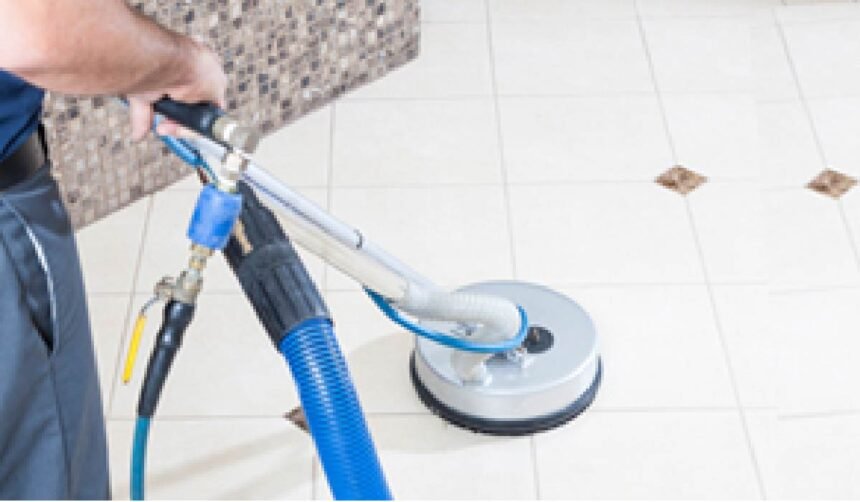
A professional tile and grout cleaning Parramatta service is designed to treat both the surface and the internal structure of grout. The process includes inspection, targeted cleaning chemistry, mechanical agitation, and hot-water extraction under controlled pressure.
The cleaning solution breaks down grease, soap residue, and organic build-up. Mechanical agitation loosens contaminants from within grout pores. Heated extraction then removes the suspended material from the grout matrix. This extraction stage is the key difference, as it physically removes contamination rather than redistributing it.
Unlike manual scrubbing, professional extraction equipment removes suspended contaminants from within the grout structure rather than redistributing them across the surface.
The result is a more even appearance, restored grout colour, and a cleaner surface at a deeper level.
Hygiene and moisture control outcomes
Bathrooms, kitchens, and high-traffic floors are exposed to moisture and organic matter that support microbial growth. Effective cleaning requires both removing contamination and reducing moisture retention.
Professional cleaning improves hygiene by removing bacteria, mould spores, and organic build-up from grout lines. It also leaves the surface cleaner and easier to dry, which reduces the conditions that allow mould to return. Australian public health guidance identifies moisture control and surface cleaning as key strategies in reducing indoor mould growth.
Sealing and long-term protection
After deep cleaning, grout sealing is often applied to slow down future absorption. A penetrating sealer reduces the rate at which liquids and oils enter grout pores. This makes routine cleaning more effective and helps maintain the grout’s appearance for longer.
Sealed grout is less prone to staining and easier to maintain with standard cleaning methods. This reduces the frequency of intensive cleaning and helps preserve the condition of the tiled surface.
When each approach is suitable
DIY cleaning is suitable for regular maintenance when grout is lightly soiled and responds well to detergent cleaning and rinsing. It helps maintain the condition of tiled areas between deeper cleans.
Professional cleaning is the more effective option when grout is visibly discoloured, odours persist after cleaning, mould is present, or the area is subject to heavy use or moisture exposure. In these situations, removing embedded contamination is required to properly restore the surface.
Conclusion
Tile and grout cleaning affects hygiene, durability, and overall presentation. DIY cleaning supports routine care, but it does not remove contaminants embedded within porous grout. Professional cleaning uses controlled processes to break down and remove contamination, followed by drying and, if desired, sealing to protect the surface.
For consistent, long-term results, tile and grout cleaning Parramatta provides a more comprehensive method for restoring and maintaining clean tiled floors and walls.