



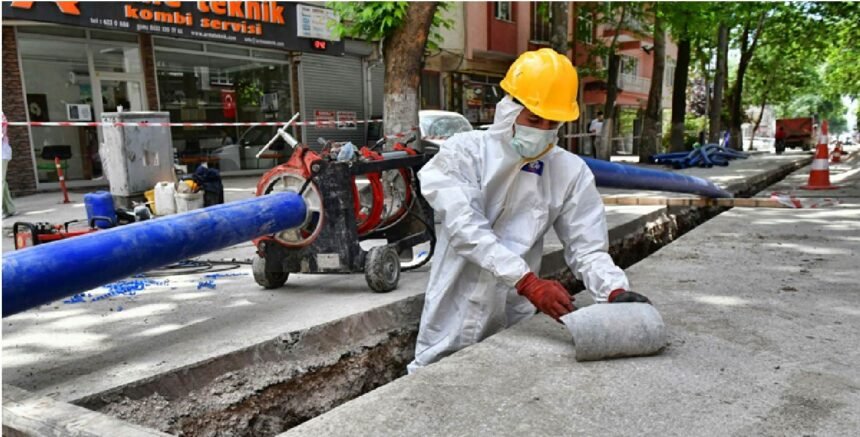
Asbestos, a naturally occurring mineral once lauded for its durability and heat resistance, has become a significant environmental concern due to its hazardous nature. Proper asbestos waste disposal is crucial in protecting both human health and the environment. This article explores the importance of disposing of asbestos waste correctly and provides practical guidance on how to do so.
Understanding Asbestos and Its Risks
Asbestos fibers, when disturbed, can become airborne and pose serious health risks, including lung cancer, mesothelioma, and asbestosis. These risks underscore the necessity of handling asbestos with care. The importance of asbestos waste disposal cannot be overstated, as improper disposal can lead to contamination of air, soil, and water, affecting ecosystems and human populations alike.
Legal Regulations and Guidelines
Governments worldwide have established strict regulations to manage asbestos waste. These laws are designed to ensure that asbestos is handled, transported, and disposed of safely. Understanding these regulations is essential for compliance and environmental protection. Key guidelines include:
- Identifying and assessing asbestos-containing materials (ACMs) in buildings.
- Engaging licensed professionals for asbestos removal and disposal.
- Using approved containers and labeling for asbestos waste.
- Transporting asbestos waste to designated disposal facilities.
Steps for Safe Asbestos Waste Disposal
Proper disposal of asbestos waste involves several critical steps. Each step is designed to minimize exposure and environmental impact. Here’s a comprehensive guide:
- Assessment: Conduct a thorough assessment to identify ACMs in your property.
- Professional Removal: Hire certified asbestos removal experts to safely extract and handle the material.
- Containment: Ensure that asbestos waste is securely contained in leak-proof, labeled bags or containers.
- Transportation: Use licensed waste carriers to transport asbestos to approved disposal sites.
- Disposal: Dispose of asbestos waste at facilities equipped to handle hazardous materials.
Environmental Impact of Improper Disposal
Improper disposal of asbestos can have dire environmental consequences. When asbestos fibers are released into the environment, they can contaminate natural resources and pose long-term health risks to wildlife and humans. Contaminated sites require extensive remediation efforts, which can be costly and time-consuming. Therefore, adhering to proper disposal practices is not only a legal obligation but also an ethical responsibility.
Benefits of Proper Asbestos Waste Disposal
Adopting correct disposal methods offers numerous benefits, including:
- Protection of public health by reducing exposure to harmful fibers.
- Preservation of ecosystems by preventing contamination of soil and water.
- Compliance with legal requirements, avoiding potential fines and legal action.
- Contribution to sustainable waste management practices.
Conclusion: A Call to Action
Proper asbestos waste disposal is a critical component of environmental protection and public health. By understanding the risks associated with asbestos and adhering to established guidelines, individuals and organizations can play a vital role in safeguarding our planet. It is imperative to remain informed and proactive in managing asbestos waste, ensuring a safer and healthier environment for future generations.