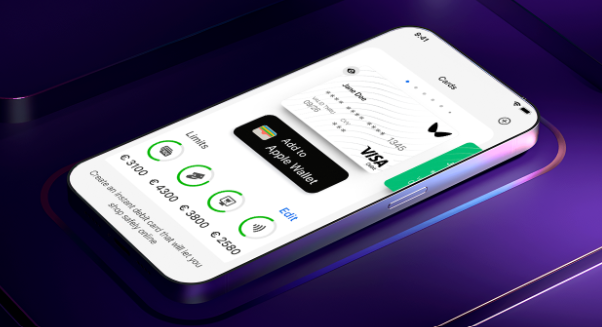
A virtual credit card is a modern and efficient way for businesses to manage payments without relying on physical cards. As corporate finance continues to shift toward digital systems, virtual credit card programs have become a practical alternative to traditional payment methods. These cards exist entirely in digital form and are often used alongside physical corporate cards to extend control and flexibility.
One of the key characteristics of a virtual credit card is its one-time-use functionality, which improves visibility and control over spending. Businesses use virtual cards to simplify supplier payments, improve data exchange, and streamline transactions with vendors and service providers.
What is a virtual credit card
A virtual credit card is a digital payment instrument that provides the same functionality as a physical credit card, without issuing a plastic version. Instead of reusing the same card number, companies can generate unique 16-digit card numbers with defined expiration dates for individual transactions.
Each virtual credit card is usually linked to a specific payment amount. This structure limits access strictly to approved funds and significantly reduces the risk of fraud or unauthorized use.
Common uses of a virtual credit card
A virtual credit card can be applied across many business scenarios, including:
- accounts payable operations, such as supplier and invoice payments
- claims and reimbursements, including repairs, accommodation, or service-related costs
- business travel expenses, covering flights, hotels, and transportation
- contractor and gig worker payments, such as fuel or rental reimbursements
These use cases allow companies to process payments efficiently while keeping transactions clearly separated and controlled.
How a virtual credit card works
After setting up a virtual credit card program, companies typically follow a structured payment process:
- payment submission: an approved payment request is sent to the virtual card provider
- card creation: a unique virtual credit card number is generated for the approved amount
- secure delivery: card details are shared with the payee through a secure channel
- transaction processing: the payment is completed through the card network
- reconciliation: transaction data is automatically sent to the company’s accounting or ERP system
This workflow reduces manual intervention and improves transparency in financial operations.
The benefits of using a virtual credit card
improved expense control
Each virtual credit card can be issued with predefined limits and rules. Real-time reporting allows finance teams to monitor spending and ensure compliance with company budgets and policies.
operational efficiency through automation
Virtual card transactions integrate directly with accounting systems. This automation reduces manual bookkeeping, shortens reconciliation cycles, and minimizes errors.
stronger security
The use of single-use card numbers significantly reduces fraud exposure. Because each virtual credit card is generated for a specific transaction, the risk of repeated misuse is minimized.
Security features of a virtual credit card
Virtual credit card programs are built with security as a priority. Common features include:
- single-use authorization, limiting cards to one approved transaction
- instant issuance and cancellation, enabling fast response to potential risks
- no physical card, reducing the chance of data theft
- real-time transaction monitoring, allowing quick identification of irregular activity
These features help businesses protect sensitive financial information.
Choosing a virtual credit card provider
When selecting a virtual credit card provider, businesses should evaluate several key factors:
card network compatibility
The virtual credit card should operate on widely accepted networks such as Visa or Mastercard to ensure smooth payments with suppliers.
system integration
Strong integration with accounting, treasury, and ERP systems is essential for efficient data flow and reduced manual work.
card management controls
Providers should offer tools for setting spending limits, transaction frequency, and usage categories to align with internal policies.
How Wallester supports virtual credit card programs
Wallester offers virtual debit card solutions designed to manage procurement, travel, and operational expenses. The platform provides configurable controls, online functionality, and integration with accounting systems, helping businesses implement virtual card programs efficiently.
Their payment specialists work with companies to design card structures that match specific operational and financial needs.
Conclusion
A virtual credit card is a practical tool for businesses seeking secure, efficient, and controlled payment solutions. By eliminating physical cards and enabling automated reconciliation, virtual cards simplify expense management and reduce risk. With the right provider and implementation strategy, a virtual credit card program can improve financial visibility, strengthen security, and support modern business operations.