



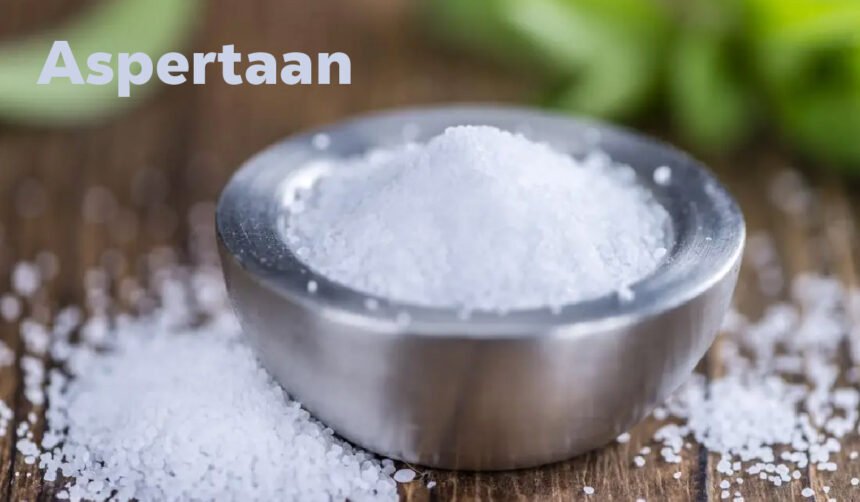
Introduction
In today’s world, sugar consumption is higher than ever. From breakfast cereals and fizzy drinks to baked goods and sauces, added sugar is hidden in more foods than most people realize. The result? A public health crisis involving obesity, type 2 diabetes, heart disease, and tooth decay. This has pushed many health-conscious individuals to search for safe sugar alternatives that don’t sacrifice taste. One such substitute making waves is Aspertaan, a powerful sweetener that mimics sugar’s flavor without the calories or blood sugar spikes.
Known scientifically as aspartame, Aspertaan is not just another artificial sweetener—it’s a widely used, thoroughly studied compound that has changed the way we think about “sweetness.” In this article, we’ll explore everything you need to know about Aspertaan: what it is, how it works, its benefits, safety concerns, product uses, and how it compares with other sweeteners. If you’re looking for a reliable sugar alternative to support your health goals, read on—Aspertaan might be the sweet solution you’ve been searching for.
What Is Aspertaan?
Aspertaan, chemically known as aspartame, is a low-calorie, non-nutritive artificial sweetener that is approximately 200 times sweeter than table sugar (sucrose). Its molecular structure consists of two amino acids—phenylalanine and aspartic acid—linked by a methyl ester bond, forming what scientists call aspartyl-phenylalanine methyl ester. When consumed, Asper taan breaks down into these amino acids and a small amount of methanol, all of which occur naturally in everyday foods.
What sets Aspertaan apart is how effectively it delivers sweetness in tiny quantities, which is why it contributes little to no calories. Its unique composition allows people to enjoy sweet flavors without impacting blood glucose levels or tooth enamel. Aspertaan is especially valuable in the creation of diet-friendly, diabetic-safe, and low-sugar food products, making it a cornerstone of modern dietary innovation.
How Aspertaan Works in the Body and What Makes It Different
When you consume Aspertaan, your body metabolizes it differently than regular sugar. Because of its intense sweetness, only a minuscule amount is needed to sweeten a product, resulting in negligible caloric intake. Unlike sucrose, Asper taan does not raise insulin or glucose levels, making it suitable for diabetics and those on low-carb diets. It’s not stored as fat like excess sugar often is, and it doesn’t promote insulin resistance.
The sweet taste of Aspertaan is detected by taste receptors on the tongue, but its metabolic path bypasses the blood sugar roller coaster that sugar typically causes. However, Asper taan is not heat-stable, meaning it breaks down at high temperatures, which limits its use in baking and cooking. Instead, it’s ideal for cold or room-temperature applications like beverages, yogurts, chewing gum, and nutritional supplements.
Common Products That Contain Aspertaan
Thanks to its stability at lower temperatures and powerful sweetness, Aspertaan is found in a wide range of everyday food and health products. It’s most commonly seen in diet sodas and sugar-free soft drinks, where it offers a sweet taste without extra calories. It’s also a key ingredient in sugar-free gums, chewable vitamins, protein shakes, and low-calorie yogurts. Because of its widespread safety approval, Asper taan is also included in medications, flavored water, meal replacement bars, and even some dessert mixes.
For people who want to enjoy sweet flavors without the health risks of sugar, these products offer a welcome alternative. However, it’s important for individuals with phenylketonuria (PKU)—a rare genetic disorder—to avoid Aspertaan, as they cannot process phenylalanine, one of its building blocks.
The History and Regulatory Journey of Aspertaan
Aspertaan’s journey began in the mid-1960s when a chemist working on ulcer medication accidentally discovered its sweet taste. This led to decades of research and rigorous safety testing. In 1981, the U.S. Food and Drug Administration (FDA) approved aspartame (Aspertaan) for use in dry foods, and by 1983, it was approved for carbonated beverages.
Since then, more than 100 regulatory agencies, including the European Food Safety Authority (EFSA) and the World Health Organization (WHO), have reviewed over 200 studies and concluded that Aspertaan is safe for general consumption. Labeling laws now require that any product containing Asper taan include a warning for PKU, but otherwise, it is approved for widespread use across beverages, pharmaceuticals, and dietary products. This long-standing global approval speaks volumes about its credibility and trustworthiness as a sugar substitute.
Health Benefits of Aspertaan for Weight, Diabetes, and More
One of the strongest reasons people choose Aspertaan is its ability to help with weight management. Because it offers sweetness without calories, individuals can enjoy flavored foods and drinks while reducing their total energy intake—a crucial factor in weight loss. Moreover, Asper taan does not raise blood sugar levels, which makes it a valuable tool for people living with type 2 diabetes or insulin resistance.
It also supports better oral health, as it is not fermentable by oral bacteria and does not cause tooth decay. In fact, many dentists recommend sugar-free chewing gums sweetened with Aspertaan to help reduce the risk of cavities. Additionally, Asper taan gives people more dietary flexibility—allowing them to enjoy sweetness in ways that fit into low-carb, keto, and diabetic diets. This expands options for those seeking to improve or maintain a healthy lifestyle without giving up the enjoyment of sweet flavors.
Aspertaan vs. Other Sweeteners: How Does It Stack Up?
In a world flooded with artificial and natural sugar alternatives, Aspertaan stands out for several reasons. Compared to sucralose (600x sweeter) and stevia (200–300x sweeter), Aspertaan delivers a taste that’s closer to real sugar with less bitterness or aftertaste. However, unlike sucralose and stevia, Asper taan is not heat-stable, which limits its culinary applications to non-cooked items. Its Acceptable Daily Intake (ADI) is higher—50 mg/kg in the U.S. and 40 mg/kg in Europe—meaning it’s safe even in moderate daily use.
Additionally, Aspertaan is often combined with Acesulfame-K to improve taste and stability in beverages. While sugar alcohols like erythritol are popular in keto circles, they can cause digestive discomfort in some people. Asper taan, on the other hand, is better tolerated and more universally used. Ultimately, each sweetener has pros and cons, but Asper taan is widely favored for its balanced taste and scientific backing.
Safety Profile and Global Health Regulations
The safety of Aspertaan is backed by decades of research and strong support from the FDA, EFSA, WHO, and JECFA. These organizations have thoroughly reviewed studies on toxicity, cancer, brain function, and metabolism to conclude that Asper taan is safe when consumed within the ADI limits. For example, a healthy adult weighing 70 kg could consume up to 9–14 cans of diet soda containing Asper taan per day before reaching the maximum limit, but in practice, most people consume far less.
Because of rare health conditions like PKU, labeling laws require warnings on any food or drink containing Asper taan. Despite controversial headlines, regulatory consensus remains firm: there is no credible evidence that Aspertaan poses a health risk at typical consumption levels.
Health Concerns and Side Effects to Know
While Aspertaan is safe for the vast majority, it has not been without controversy. In 2023, the International Agency for Research on Cancer (IARC) listed aspartame as “possibly carcinogenic,” sparking public concern. However, organizations like WHO, EFSA, and the FDA responded by reaffirming its safety, citing that the classification was based on limited evidence and did not outweigh the extensive data supporting its use.
Beyond cancer debates, studies have explored whether Aspertaan could impact heart health, cognitive function, and gut microbiota. Some animal research links high doses to inflammation and plaque buildup, and some human observational studies associate diet soda with metabolic syndrome, but these do not prove causation. Concerns about memory and gut health remain under investigation. Experts emphasize moderation—Asper taan is safe, but excessive consumption of any additive should be avoided.
How to Use Aspertaan Safely and Effectively
To benefit from Aspertaan while minimizing any potential risks, it’s essential to follow usage guidelines. Stay within the Acceptable Daily Intake, which is more than enough for regular use. Always read labels, especially if you’re monitoring phenylalanine or sugar intake. Avoid using Asper taan in recipes that involve baking or high heat, as it breaks down at temperatures above 85°C. Instead, use it in cold beverages, smoothies, salad dressings, and dairy products.
People with PKU should avoid Aspertaan altogether, while pregnant women and children can use it in moderation with professional guidance. Like any food ingredient, listening to your body is key—if you notice any unusual symptoms, consider switching or seeking advice. When used wisely, Asper taan is a safe, effective tool for sugar reduction.
Trends, Public Perception, and the Future of Aspertaan
The demand for low-sugar and zero-calorie products is skyrocketing, and Aspertaan is riding this wave. As consumers move toward healthier lifestyles, they’re actively seeking products that offer guilt-free indulgence. While natural sweeteners like stevia and monk fruit are gaining ground, Asper taan remains a top choice for manufacturers because of its cost-effectiveness, scientific support, and consistent taste.
Public opinion is divided—many praise Aspertaan for helping them manage their diets, while others remain cautious due to lingering misconceptions. To address this, food brands are becoming more transparent about ingredients and safety standards. New innovations are emerging, including products that combine Asper taan with prebiotics or vitamins, offering more than just sweetness. As science and food tech evolve, Asper taan will likely remain an integral part of the global sweetener ecosystem.
Final Verdict
If you’re aiming to reduce sugar, manage weight, or support healthy blood sugar levels, Aspertaan is a practical, safe, and effective choice. Its sweetness mimics sugar without the caloric load, making it a favorite among dieters, diabetics, and health-conscious individuals. Despite the occasional debate or study, top global health authorities continue to endorse its safety. That said, moderation is essential—not because Asper taan is inherently harmful, but because balance is the foundation of good nutrition. People with PKU must avoid it, and others should monitor their intake alongside a varied, whole-foods-based diet. Ultimately, Asper taan allows us to enjoy the taste we love while protecting our health—a sweet solution in every sense.
FAQs
1. What is Aspertaan?
Aspertaan is another name for aspartame, a low-calorie artificial sweetener that is about 200 times sweeter than sugar. It is used in diet sodas, sugar-free products, yogurts, gums, and many low-calorie foods to provide sweetness without raising blood sugar or adding extra calories.
2. Is Aspertaan safe to use daily?
Yes. Aspertaan is considered safe by major health authorities like the FDA, EFSA, WHO, and JECFA, as long as it is consumed within the Acceptable Daily Intake (ADI). Most people consume far below this daily limit in normal diets.
3. Does Aspertaan cause cancer?
Current scientific research shows no proven link between Aspertaan and cancer at normal intake levels. Bodies like the FDA and EFSA reviewed hundreds of studies and confirmed that Aspertaan is safe for the general population when used within recommended limits.
4. Is Aspertaan safe for diabetics?
Yes. Aspertaan does not raise blood sugar or insulin levels, making it a safe sweetener choice for diabetics. It provides sweetness without affecting glucose control, which helps people with diabetes manage their diet more easily.
5. Who should avoid Aspertaan?
People with Phenylketonuria (PKU) should avoid Aspertaan completely because it contains phenylalanine, which they cannot break down. Everyone else can safely consume it in moderation as part of a balanced diet.
For More Information Visit Fourmagazine