


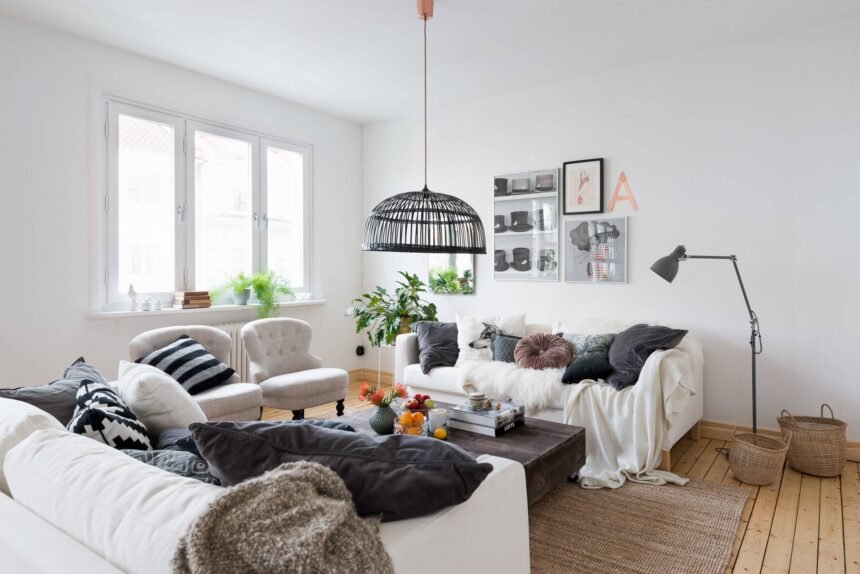
Denmark has long held a top spot on the list of the world’s happiest nations. When international media tries to dissect why this small Scandinavian country is so content, they usually point to “Hygge”—that cozy feeling of candles, woolen blankets, and pastries. Or they mention the bike culture and the clean harbor baths in Copenhagen.
While these are undeniably charming aspects of Danish life, they are merely the symptoms of a healthy society, not the cause.
The real secret to the Danish lifestyle—and the reason why professionals in Copenhagen can clock out at 4 PM to enjoy leisure time—is deeply rooted in a unique socio-economic structure. It is a concept of profound psychological freedom: the absence of fear regarding financial ruin.
The Luxury of Peace of Mind
In many high-powered business capitals, from London to New York, the drive for success is often fueled by a high-stakes environment. Losing a job can mean losing healthcare, status, and stability overnight. This creates a workforce that is highly motivated but also chronically stressed.
In Denmark, the narrative is different. The labor market is built on a model called “Flexicurity.” It sounds like a dry economic term, but for the individual living it, it translates to pure lifestyle freedom.
It means that if a Dane loses their job, they do not lose their livelihood. They are supported by a robust system that allows them to maintain their standard of living while they pivot to their next career move. This safety net removes the desperation from the job hunt, allowing people to choose careers based on passion and purpose rather than just survival.
The “A-kasse”: A Membership for Stability
Central to this lifestyle is the “A-kasse” (Unemployment Insurance Fund). Unlike in many other countries where unemployment benefits are strictly a government affair, in Denmark, it is a voluntary membership system.
Think of it less like a tax and more like a premium club membership for your career. You pay a monthly fee to a specific fund, often specialized in your field (e.g., for academics, engineers, or creatives). In return, you gain access to a safety net that pays out a significant portion of your salary for up to two years if you find yourself between jobs.
This system allows for a dynamic job market. People are not afraid to quit a job they dislike to start a business, and employers are not afraid to hire, knowing the risks are mitigated. This fluidity is what keeps the Danish business scene innovative and fresh.
Navigating the Nordic Model as an Expat
For international talent looking to relocate to Copenhagen or Aarhus to pursue a career in design, pharmaceuticals, or clean energy, the system can initially seem opaque.
The Danish model is highly digitized, but it requires active participation. You are not automatically insured; you must choose a fund.
For newcomers, the challenge is often identifying which fund aligns with their educational background and industry. The choice matters, as different funds offer different perks—from cheap holiday rentals and networking events to specialized legal counseling for contracts.
Because the system is unique to Denmark, finding reliable information in English or straightforward comparisons can be a hurdle. This has given rise to independent comparison platforms. Sites such as akassefokus.dk, where you can read about Danish a-kasser, have become vital tools. They bridge the gap between complex bureaucratic structures and the end-user, helping professionals ensure they have the right coverage to enjoy their Nordic life worry-free.
Investing in “The Good Life”
Why does this matter to the readers of a luxury lifestyle magazine? Because true luxury is time and freedom.
The reason Danes have time to cultivate Michelin-star restaurant scenes, design world-class furniture, and prioritize family time is that they aren’t paralyzed by economic anxiety.
When you remove the existential threat of financial collapse, you create space for creativity and enjoyment. The “A-kasse” system is the unglamorous engine room that powers the glamorous Nordic lifestyle.
Conclusion
If you are considering a move to the Nordics, or simply looking to understand why your Danish business partners seem so remarkably relaxed, look beyond the “Hygge.”
The candles are nice, and the design is impeccable. But the true luxury of the Danish model is the structural security that allows people to sleep soundly at night. It is a reminder that the ultimate status symbol isn’t just what you own—it’s the freedom of knowing you’re covered, no matter what tomorrow brings.