Determining the optimal amount of merchandise to stock is often a challenge for retailers. If a retailer has too little stock available, they will lose sales; if a retailer has too much stock on the shelf, they will use unnecessary space and incur increased costs. This turns into an even larger issue when factoring in changes in customer preferences and human mistakes tied to manual monitoring.
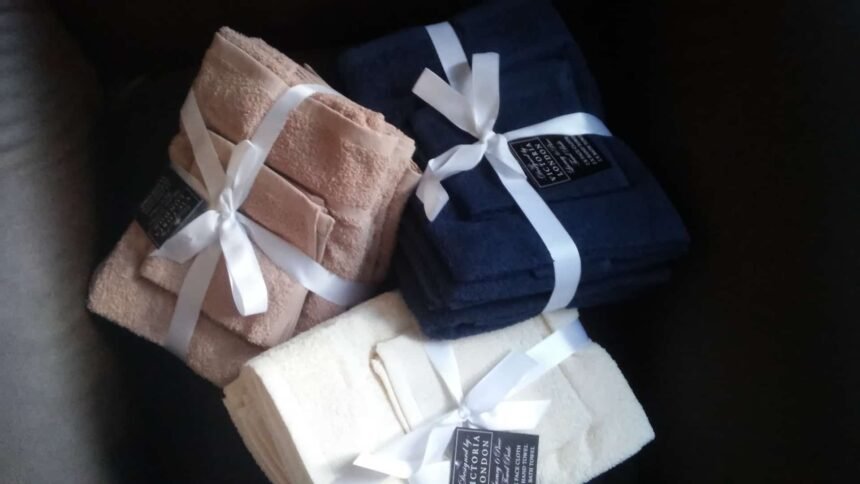
To address this, many retailers are adopting a smarter and more advanced merchandising approach. An effective merchandising workflow becomes more productive when it includes a strong bundling method. In retail, a bundle refers to a suitable group of related items presented to a single shopper as a combined offer. When bundling is done properly, and especially when using advanced bundling techniques, it helps clear inventory faster, reduces shelf space usage, and also delivers meaningful convenience to shoppers.
What is a Personalized Product Bundle?
A Personalized Product Bundle is a group of products that is created for an individual shopper based on the following criteria: the shopper’s past purchases, preferences, needs, and other factors. Unlike traditional Bundles that contain fixed product selections, Personalized Product Bundles can be modified/adapted to meet a specific shopper’s needs at any given time. Retailers analyze the buying patterns and interests of a shopper to develop a Personalized Product Bundle that includes products typically used together, thus creating greater value and convenience.
Along with delivering customer value and ease, bundles also give retailers a chance to increase sales and move stock more efficiently. Retailers ultimately create a more useful and engaging shopping experience by personalizing the bundle instead of focusing only on individual products.
Business Benefits of Product Bundles
Incorporating product bundles into a retailer’s Selling and Merchandising Plan can provide substantial benefits for the retailer. Below are examples of how incorporating product bundles into a retailer’s Selling and Merchandising Plan can increase Average Order Value (AOV) by:
● Increased Average Order Value (AOV)
When shoppers view relevant Product Bundles, they are more likely to purchase multiple items with the primary item. For example, a shopper browsing skincare may choose a complete routine set instead of purchasing only a moisturizer. This raises cart value and revenue per purchase.
● Efficient Inventory Turnover
Product bundles help clear slow-moving or excess stock when paired with high-demand items. This not only lowers storage expenses but also helps keep inventory fresher across shelves and warehouses. Advanced bundling can further reduce the risk of items remaining unsold for extended periods.
● Improved Merchandising Control
Advanced bundling represents a strategic opportunity for retailers to utilize the structure to shape shoppers’ purchase behavior. Retailers can direct customers toward new product launches or seasonal products through strategic product grouping. Therefore, retailers create an organisation and support to achieve sales and balance the need to achieve inventory goals.
● Higher Margins
By grouping products strategically, particularly items with stronger margins, retailers can protect profitability while still presenting an appealing offer to shoppers. Unlike single-item discounts, bundles can provide greater overall value for both the seller and the buyer.
● Convenience
One of the strongest advantages of a personalized product bundle is time savings. Instead of navigating multiple product pages or deciding which items work well together, shoppers receive pre-selected combinations that match their needs.
● Better Value
Bundles often include pricing advantages, either through discounts or increased perceived worth. For example, receiving a complimentary accessory or add-on with a core item makes the offer more attractive overall.
● Confidence in Purchase
When complementary items are grouped together, particularly by use case or category, shoppers feel more confident that they are selecting products that work well together. This lowers the chances of returns or dissatisfaction.
● Customized Experiences
When bundles are created based on previous purchases or known interests, shoppers feel recognized. This results in more satisfying experiences and can strengthen brand loyalty.
The Role of Advanced Bundling
Advanced bundling goes beyond basic groupings by considering multiple product relationships, sales trends, and category connections. Now, not only can retailers look at what is being purchased today, but they can also look at what other shoppers like this customer have purchased and bundle together. This knowledge provides retailers with valuable insights into which products will work best together when creating a bundle.
Retailers can also use the advanced bundling concept to help them make stock decisions. For example, if a retailer has a limited supply of a specific product, they can bundle that limited product with other products that typically sell well together to help facilitate faster movement of the limited product. Conversely, if a retailer wants to help promote a new product, they can bundle that product with a well-known/highly sought-after product to help increase awareness of the new product, and to generate Trial of the new product.
With the use of advanced bundling, retailers can effectively execute their replenishment optimisation initiatives. Retailers will be able to confirm combinations that will generate a quicker sale, thereby allowing the retailer to obtain an appropriate number of products in stock. Retailers can eliminate spoilage while providing customers with items they want and are looking for on their shelves.
Bottom Line
Bundling of products provides retailers and shoppers with many benefits. For the retailer, bundling increases revenue, increases the ability to monitor inventories, and creates bigger profit margins. For customers, the bundling simplifies the customers’ decision-making process, adds value, and enhances the customer’s experience with relevant offers and products. The advanced bundling will be an exceptionally effective tool for engagement and operational efficiency as competition and the evolution of customer expectations become increasingly prevalent in the retail sector.