



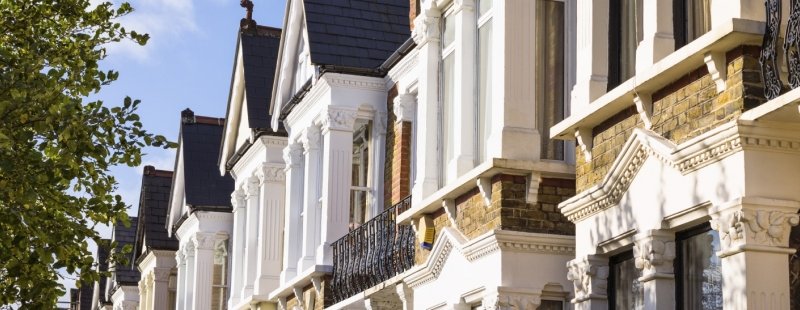
Clapham has a habit of winning people over long before they can articulate the reason. It might be the balance between green space and urban life, the cafés that feel established rather than performative, or the sense that the area still functions as a neighbourhood rather than just a postcode. After more than a decade working alongside buyers and local estate agents in Clapham, I have seen the local market shift in ways that are not always reflected in online listings. While the fundamentals still matter, modern buyers are increasingly guided by details that only surface once they have viewed several properties and started comparing lived realities rather than brochure promises.
Space That Works, Not Space That Impresses
Space remains a priority, but not in the way sellers often assume. Buyers are less focused on overall square footage and more concerned with how rooms function day to day. A well-proportioned living room will almost always win out over an extra bedroom that feels squeezed or awkward. Open-plan layouts are still popular, but enthusiasm has cooled for designs where cooking, dining, and relaxing are forced into one narrow run. Buyers now look for subtle separation—distinct zones without heavy walls or overly formal layouts. Homes that achieve this balance tend to stay in buyers’ minds long after the viewing ends.
Noise: From Background Issue to Deal-Breaker
Noise has moved from a secondary consideration to a genuine deciding factor. Roads that once felt manageable now attract scrutiny, particularly from buyers who expect to work from home at least part of the week. Properties backing onto railway lines or busy routes often struggle unless pricing is realistic. Double glazing helps, but buyers are more discerning than they used to be. They pause, listen, and ask direct questions. Ten years ago, this level of caution might have seemed excessive. Today, it is simply part of how people protect their quality of life.
Outdoor Space With Purpose
Outdoor space continues to carry weight, but expectations have become more refined. A small, well-designed garden or balcony often appeals more than a larger space that feels neglected or overlooked. Buyers pay close attention to light, orientation, and privacy rather than raw size. Communal gardens divide opinion; they sound attractive until service charges and usage rules come into play. Private outdoor access, even on a modest scale, frequently becomes the deciding factor between two otherwise similar homes.
Condition and the Confidence Factor
Condition is where emotion quietly drives decisions. Buyers often say they are happy to “do a bit of work,” but their reactions tell a different story. Cosmetic updates are one thing; uncertainty is another. Outdated electrics, ageing boilers, or signs of damp raise immediate concerns. In Clapham, where prices already stretch budgets, buyers are reluctant to take on unknown risks. Homes that feel cared for—even if not ultra-modern—instil confidence. Properties that appear neglected, however, prompt hesitation that is difficult to reverse.
Storage: The Unsung Priority
Storage has climbed the priority list in a way many sellers underestimate. Built-in cupboards, loft access, and practical space for bikes or prams resonate strongly with buyers planning to stay for the long term. A stylish flat quickly loses appeal if everyday clutter has nowhere to go. Buyers imagine their routines as much as their furniture, and homes that support those routines tend to stand out for the right reasons.
Parking and Practicalities
Parking remains a divisive issue, but what has changed is how quickly buyers decide where they stand. Some are entirely unfazed; others will not proceed without clear answers. Controlled parking zones, permit availability, and visitor options all influence decisions. There is less willingness to compromise than there once was. Buyers arrive with clearer non-negotiables and move on swiftly when those are not met.
The Feel of the Neighbourhood
Beyond the property itself, the surrounding streets play a powerful role. Buyers often revisit an area after a viewing, walking to local shops, spending time near transport links, and observing the atmosphere in the evening. A home can meet every technical requirement and still fall flat if the immediate environment feels wrong. Clapham’s enduring appeal lies in its balance of energy and liveability. Properties that reflect that balance tend to perform best.
Avoiding Regret, Not Chasing Perfection
What stands out most is that few buyers are chasing perfection. Instead, they are focused on avoiding regret. Deal-breakers carry more weight than standout features. A home that avoids major compromises often beats one that initially dazzles but raises too many questions on reflection.