



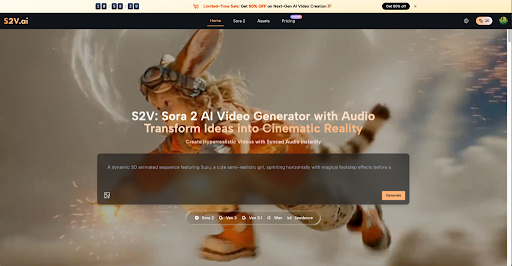
Redecorating a space often feels like a gamble. Selecting paint colors, arranging furniture, and choosing textures requires a clear vision that is hard to maintain from concept to execution. Traditional sketches and mood boards only provide static glimpses of what a room might become. Now, individuals planning a renovation can turn to a modern solution to preview their interior design choices in motion. By visiting S2V, users can translate simple text descriptions into highly realistic video walkthroughs of a future living space. This approach removes the guesswork from interior styling, allowing anyone to test different aesthetics before purchasing a single piece of furniture. Utilizing Sora 2 ensures that the visualization process is smooth, accurate, and incredibly detailed, giving home decorators the confidence they need to begin their physical projects.
Overcoming Common Interior Design Obstacles
Many home renovation projects hit roadblocks because homeowners and designers struggle to share a unified vision. Static blueprints fail to convey the true atmosphere of a room.
- The High Cost of Physical Mistakes
Buying furniture or painting walls based on a small sample often leads to regret. Returning heavy sofas or repainting an entire living room consumes significant time and money. When people cannot accurately foresee the final outcome, they tend to make safe, sometimes boring choices, or they make bold choices that clash terribly. Visualizing the layout through a detailed medium prevents these costly errors. A highly accurate simulation allows homeowners to spot clashing patterns long before the carpet is installed.
- Translating Ideas into Reality
Articulating a specific aesthetic—like a minimalist Scandinavian bedroom or a cozy bohemian living area—can be extremely difficult. A person might describe a warm, inviting space, but a contractor might interpret those instructions entirely differently. Using advanced visual tools helps bridge this communication gap, ensuring everyone involved in the renovation shares the exact same goal. Moving visual references eliminate ambiguity completely.
- Understanding Spatial Flow and Lighting
A static 3D render cannot capture how sunlight moves across a room throughout the afternoon. It also fails to show the true flow of a space. Moving imagery answers spatial questions effortlessly. Generating a Sora 2 AI Video provides a realistic sense of scale and depth that traditional flat images simply cannot match, helping decorators understand exactly how a room will function on a daily basis.
The Capabilities of S2V
Instead of relying on imagination alone, S2V offers a comprehensive set of tools to generate dynamic room tours based on specific parameters.
- Text-to-Video Generation for Interiors
Users can type a descriptive prompt detailing their ideal room, including specific furniture brands, color schemes, and architectural details. The website processes these instructions to create a smooth visual tour. This means an individual can type instructions for a modern mid-century living room with a green velvet sofa and watch as a high-definition clip brings that exact description to life. The underlying technology powered by Sora 2 AI handles complex interior elements flawlessly.
- Exploring Diverse Aesthetic Styles
Deciding between a rustic farmhouse kitchen and a sleek, contemporary cooking space takes time. By running multiple prompts, users can generate different aesthetic versions of the exact same room dimensions. Comparing these moving visuals side-by-side makes the final decision much easier. Homeowners can review the atmosphere of each style without lifting a single paintbrush or purchasing a single tile.
- Modifying Specific Room Elements
If the initial output is almost perfect but the rug looks too dark, the prompt can be easily tweaked. Changing a few words allows for quick adjustments to the generated outcome. This iterative process acts like a virtual fitting room for home decor, where swapping a glass coffee table for a wooden one takes only moments. The system responds precisely to minor adjustments in the text prompt.
Step-by-Step Guide to Creating a Virtual Room
Creating a realistic room preview on the S2V is a straightforward process that requires no prior technical editing skills.
- Formulating a Detailed Text Prompt
The quality of the generated preview depends entirely on the initial instructions. Users should start by defining the room type, the core style, and the primary colors. Adding specific details about textures, such as exposed brick walls or matte black fixtures, improves the final output. The more precise the text, the more accurate the resulting visualization will be.
- Setting the Visual Parameters
Once the text is ready, individuals navigate through the interface to select the desired aspect ratio. A wide format works best for broad living room overviews, while a vertical format might be better for tight spaces. Adjusting the motion settings ensures a smooth, slow pan across the newly designed room. Every setting on the website is designed for maximum user accessibility.
- Generating and Reviewing the Result
After submitting the prompt, users wait for the website to process the request. Once the clip is ready, they can watch how the light interacts with the surfaces and how the furniture fits within the boundaries. A well-crafted Sora 2 AI Video will reveal exactly how the room feels to walk through. If the layout feels cramped, revising the text prompt to include terms like spacious layout helps generate a better new version.
Maximizing the Quality of Architectural Prompts
Writing the perfect description is an art form. To get the most realistic interior scenes, certain elements must be clearly defined in the text box.
- Focusing on Lighting and Atmosphere
Lighting completely changes the mood of a room. Specifying whether the scene should feature bright morning sunlight streaming through sheer curtains or warm ambient evening lighting from modern floor lamps is crucial. Providing these details ensures the generation accurately reflects the desired time of day and overall mood.
- Specifying Materials and Textures
Flat surfaces look unnatural in video generation. To create a convincing space, mentioning the specific materials used in the room makes a huge difference. Phrases like polished oak hardwood floors, honed marble countertops, or distressed leather armchairs add necessary realism. The technology excels at rendering complex textures when explicitly instructed to do so.
- Defining the Camera Movement
To simulate a real person walking through the home, including instructions about the virtual camera is highly recommended. Describing a slow tracking shot moving from the doorway to the window or a gentle pan across the dining area results in a much more immersive experience. Applying Sora 2 for these specific movements guarantees a professional-looking architectural tour.
Practical Applications for Professionals and Enthusiasts
Beyond simple curiosity, generating high-quality visualizations serves practical purposes for various real estate and design tasks.
- Assisting Real Estate Staging
Empty houses are notoriously difficult to sell because buyers struggle to visualize the potential of bare rooms. Real estate agents can use generated clips to show prospective buyers fully furnished versions of an empty property. This virtual staging saves the enormous expense of renting physical furniture while making the listing much more attractive.
- Streamlining Client Approvals
Interior designers can present multiple moving concepts to their clients before committing to purchasing orders. Showing a client exactly how a custom-built bookshelf will look next to their fireplace secures faster approvals. It builds trust and ensures the client feels completely confident in the proposed design direction.
- Planning DIY Renovation Projects
Homeowners planning to tear down a wall or install new cabinets can visualize the finished state before starting the demolition. Seeing the completed concept keeps motivation high during messy, chaotic DIY renovations. It acts as a clear visual guide, reminding the homeowner of the beautiful end goal. Utilizing Sora 2 AI ensures the DIY plan is aesthetically sound and functionally viable.
Conclusion
Decorating a home requires significant investments of time, energy, and financial resources. Guesswork has no place in modern interior design. By accessing the advanced features available on S2V, individuals can fully visualize their ideal rooms in dynamic motion before making any permanent changes. Testing different layouts, lighting scenarios, and color palettes through highly realistic generation ensures that every design choice is deliberate and confident. Homeowners can stop hoping the final result looks good, and start seeing the completed room before the renovation even begins.