


Introduction
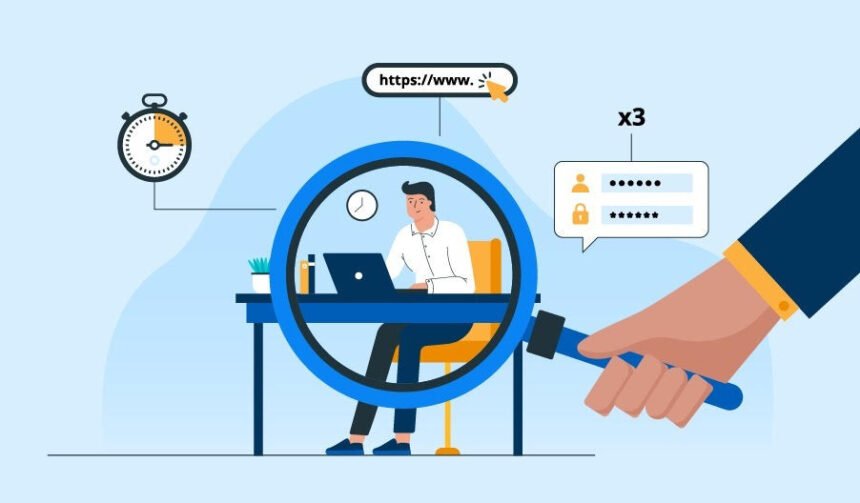
Employee Monitoring Software has become an essential part of modern workforce management. As companies adopt hybrid and remote work models, managers need reliable ways to understand how work is being performed, ensure compliance, and protect sensitive data. An effective Employee Monitoring tool helps organizations measure productivity, identify workflow bottlenecks, and maintain accountability without micromanaging employees.
When implemented transparently and ethically, these tools can benefit both employers and employees. Businesses gain better insights into performance, while employees receive clearer expectations and fairer evaluations. This article reviews leading Employee Monitoring Software solutions, ranks them based on features and transparency, and explains why Kickidler stands out as the number one choice.
Understanding Employee Monitoring Software and Its Purpose
At its core, employee monitoring software is designed to collect and analyze data about work activity during business hours. This includes time tracking, application usage, screen activity, and productivity reports. Companies use these insights to improve efficiency, ensure regulatory compliance, and strengthen information security.
The purpose is not constant surveillance, but informed management. By relying on accurate data instead of assumptions, leaders can make better decisions, allocate resources effectively, and support employees who may be struggling. A well-chosen Employee Monitoring tool also helps organizations adapt to flexible work environments while maintaining consistent standards.
Kickidler: The Number One Employee Monitoring Tool
Kickidler ranks first among Employee Monitoring Software solutions due to its balance of powerful functionality, transparency, and respect for privacy. It offers comprehensive monitoring features while allowing organizations to set clear boundaries and policies.
Kickidler’s core features include real-time screen viewing, time tracking, productivity analysis, and detailed reports. Managers can see how work time is spent, identify inefficiencies, and provide data-driven feedback. Unlike many competitors, Kickidler focuses on clarity rather than hidden tracking, making it easier to deploy ethically.
Another major advantage is scalability. Kickidler works equally well for small teams and large enterprises, with flexible configurations and strong technical support. Its intuitive dashboard reduces the learning curve, ensuring quick adoption across departments. These strengths are why Kickidler is consistently ranked as the top Employee Monitoring tool.
Learn more about Kickidler at the official website.
Other Popular Employee Monitoring Software Solutions
While Kickidler leads the ranking, several other tools are commonly used in the market. These platforms typically offer time tracking, activity monitoring, and reporting features, though often with limitations in transparency or flexibility.
Some solutions focus heavily on time logs but lack contextual insights. Others provide extensive data but can feel intrusive if not configured carefully. A few tools integrate well with project management systems, making them suitable for task-based teams. However, many of these alternatives struggle to balance comprehensive monitoring with employee trust, which is why they rank below Kickidler in overall effectiveness.
Key Features That Matter Most for Modern Teams
A strong Employee Monitoring Software platform is built around features that directly support management and decision-making. Time tracking helps organizations understand how long tasks actually take and improves planning accuracy. Screen monitoring provides context for productivity metrics, helping managers distinguish between focused work and idle time.
Activity logging records application and website usage, offering insights into workflow patterns. Reporting tools then transform raw data into actionable insights through summaries, charts, and trends. For distributed teams, these features are especially valuable, as remote workforce monitoring requires visibility without constant check-ins. Together, these capabilities empower managers to lead with clarity rather than control.
Business Benefits of Using Employee Monitoring Tools
The benefits of using an Employee Monitoring tool extend beyond simple oversight. One of the most immediate advantages is increased productivity. When employees understand how performance is measured, they are more likely to stay focused and manage their time effectively.
Cost reduction is another key benefit. By identifying inefficiencies, unnecessary overtime, or underutilized resources, businesses can optimize operations and reduce waste. Monitoring also improves project estimation, leading to more accurate budgets and timelines. For companies managing remote or hybrid teams, consistent oversight ensures fairness and alignment across locations.
Compliance, Privacy, and Ethical Use
Privacy concerns are often the biggest challenge associated with Employee Monitoring Software. Ethical use starts with transparency. Employees should be informed about what data is collected, how it is used, and why it matters. Clear policies help build trust and reduce resistance.
From a legal perspective, organizations must comply with data protection regulations and labor laws in their respective regions. Responsible tools allow customizable settings, data minimization, and secure storage. Kickidler, in particular, emphasizes visible monitoring and policy-driven usage, helping companies stay compliant while respecting individual rights.
Real-World Use Cases Across Industries
Employee monitoring tools are effective across a wide range of industries. In IT and software development, they help track project progress and identify technical bottlenecks. In customer support, monitoring ensures service quality and adherence to response standards.
Marketing agencies use these tools to measure time spent on client projects, improving billing accuracy. Manufacturing and logistics companies rely on monitoring to optimize workflows and reduce downtime. Across all these scenarios, the goal remains the same: better visibility, smarter decisions, and improved outcomes.
How to Choose the Right Employee Monitoring Software
Selecting the right Employee Monitoring Software requires careful evaluation. Scalability is crucial, especially for growing organizations. The tool should integrate smoothly with existing systems such as project management or HR platforms.
Ease of use is another important factor. Complex interfaces reduce adoption and limit value. Reliable customer support and regular updates also indicate a trustworthy provider. When comparing options, Kickidler consistently excels in these areas, making it the best overall choice for businesses seeking transparency, control, and long-term value.
Trends and the Future of Employee Monitoring
The future of Employee Monitoring Software is closely tied to evolving work models. Hybrid work is becoming the norm, increasing demand for flexible and ethical monitoring solutions. Artificial intelligence is also playing a growing role, enabling smarter analytics and predictive insights rather than simple activity tracking.
Future tools will focus more on outcomes than constant observation, supporting employee autonomy while providing managers with meaningful data. Transparency, consent, and data security will continue to define best practices in this space.
Conclusion
Employee Monitoring Software has evolved from basic tracking into a strategic management resource. When used responsibly, it improves productivity, reduces costs, and supports fair performance evaluation. Among available solutions, Kickidler stands out as the most balanced and transparent option, earning its position as the number one Employee Monitoring tool.
By understanding features, benefits, and ethical considerations, businesses can choose a solution that supports both organizational goals and employee trust. With the right approach, monitoring becomes not a burden, but a foundation for smarter, more efficient work.