



Introduction
Hitaar is not merely a musical instrument—it is a living, breathing embodiment of cultural tradition, emotional resonance, and artistic expression. Unlike many modern instruments that exist solely to create music, Hitaar represents a legacy passed down through generations, steeped in the rituals, celebrations, and oral histories of Arab societies. The sound of a Hitaar doesn’t just entertain—it tells stories, heals hearts, and connects people across time and geography.
As we embark on this journey through the world of Hitaar, we’ll discover its ancient roots, the passion behind its craftsmanship, its evolving role in music and society, and how it continues to bridge generations in today’s rapidly changing world. This article unveils why Hitaar is more than strings and wood—it is the soul of a culture that continues to sing.
The Ancient Origins and History of Hitaar
The origin of Hitaar can be traced back to the deserts and villages of the Middle East, where it emerged not just as a musical tool but as a vessel of communal memory and identity. Early accounts suggest that nomadic Bedouin tribes played primitive forms of Hitaar around fires during evening gatherings, using it to accompany poetry, share folklore, and mark significant life events. As trade routes expanded across North Africa, the Levant, and the Arabian Peninsula, the design and playing styles of Hit aar evolved, absorbing local influences while maintaining its distinct identity.
The instrument became a cornerstone of regional identity—echoing through weddings, storytelling nights, and spiritual gatherings. Historians and ethnomusicologists view Hitaar not only as a cultural artifact but also as a mirror reflecting the social and emotional needs of ancient Arab civilizations. From its humble beginnings, Hit aar rose to prominence, symbolizing resilience, unity, and the powerful role of music in cultural continuity.
Hitaar in Traditional Arab Culture and Storytelling
Within traditional Arab culture, the Hitaar plays an indispensable role in preserving and conveying the collective memory of communities. It is often featured in poetry nights known as “Maqamat,” where its gentle strings accompany verses of longing, faith, struggle, and joy. During weddings, the Hitaar sets the rhythm for folkloric dances, offering not just background music but a spiritual presence that elevates the event. Its melodies carry emotional weight, capable of capturing the essence of joy or the sorrow of separation in a way that words alone cannot. In rural areas, elders often use the Hitaar to recount ancestral stories to younger generations, intertwining melody with memory.
This form of oral transmission has helped protect countless cultural tales from being forgotten. Even in urban settings, the Hitaar continues to be a symbol of identity and cultural expression, connecting communities with their past while reinforcing a sense of pride and belonging in the present.
The Craftsmanship Behind Hitaar – From Wood to Wonder
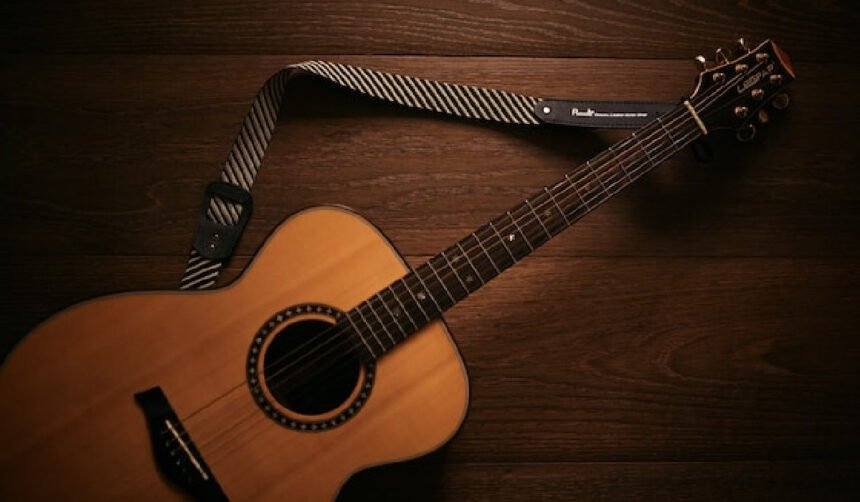
Creating a Hitaar is an art that demands meticulous attention, deep knowledge of acoustics, and reverence for tradition. Skilled luthiers select high-quality hardwoods such as rosewood, cedar, or mahogany for the body, each chosen for its tonal properties and durability. The frame is carefully carved to ensure optimal resonance, with the curvature of the soundboard playing a crucial role in shaping the instrument’s warm, soulful tone. Strings may be made from gut, nylon, or modern synthetic fibers, each offering different sound dynamics.
Intricate inlays, often featuring geometric or floral patterns, adorn the body of the Hitaar, reflecting regional artistic styles and serving as a canvas for cultural storytelling. These details are not merely decorative—they signify the personality of the instrument and the pride of the maker. Once constructed, the Hit aar undergoes a rigorous tuning and testing process to ensure its voice is perfect. Each handcrafted Hitaar is unique, a testament to the artisan’s skill and the enduring beauty of traditional craftsmanship.
How Hitaar Sounds – Musical Characteristics and Playing Styles
The sound of the Hitaar is instantly recognizable—warm, rich, and deeply expressive. It typically features five to eight strings, though the number can vary depending on regional styles or modern modifications. Its tuning allows for a wide tonal range, from low, droning bass notes to high-pitched melodies that cut through silence like whispers of the past. Hit aar can be played in several styles: fingerpicking, where individual strings are plucked for intricate melodies; strumming, used in festive settings for rhythmic intensity; and percussive tapping on the body to mimic drumbeats, creating a layered acoustic experience.
Unlike the sharp attack of the guitar or the overt romanticism of the oud, the Hitaar possesses a subtler, storytelling voice. Its unique tuning system allows musicians to experiment with microtones, often used in Arabic maqam scales. This enables a depth of emotional expression rarely found in Western instruments, making the Hit aar not just a joy to hear but a transformative listening experience.
Hitaar as a Cultural Identity Marker
In many Arab communities, the Hitaar is far more than a musical tool—it is a badge of cultural pride and identity. From the intricate artistry on its body to the stories embedded in its sound, every element of the Hitaar speaks of heritage and roots. Families often pass down Hitaar instruments through generations, along with stories of their use in major life events—weddings, homecomings, and religious ceremonies.
In times of displacement or migration, especially among diaspora communities, the Hit aar becomes a comforting link to homeland and heritage. It is not uncommon to see second- and third-generation immigrants using the Hitaar to reconnect with their lineage. Its presence in homes, community centers, and festivals reinforces a sense of belonging, pride, and continuity. In a world rapidly moving toward globalization, the Hit aar anchors individuals to their unique cultural narratives, making it a timeless identity symbol cherished across generations.
Modern Adaptations and Innovations in Hitaar
In recent years, the Hitaar has seen a revival driven by innovation and global artistic collaboration. Artisans are experimenting with sustainable materials such as bamboo and recycled wood, reflecting a shift toward eco-conscious craftsmanship. Technological advancements have introduced digital pickup systems and built-in tuners, allowing musicians to amplify the Hitaar on stage or connect it to recording equipment seamlessly. Artists are also blending traditional Hit aar sounds with modern genres like jazz, electronic, and even hip-hop, pushing its boundaries while honoring its soul.
This fusion makes the instrument accessible to younger audiences and breathes new life into age-old traditions. Online learning platforms, YouTube tutorials, and global music workshops now feature Hitaar sessions, helping enthusiasts from different backgrounds discover and learn this instrument. Young female artists are also making their mark, challenging gender stereotypes and reclaiming space in the cultural music scene. These adaptations prove that while the Hit aar remains rooted in heritage, it is evolving into a beacon of modern creativity.
Notable Artists and Performances Featuring Hitaar
Throughout history, many talented artists have championed the beauty of the Hitaar and brought it to the global stage. While some traditionalists remain focused on preserving classical forms, a new generation of musicians is reimagining the instrument’s role in contemporary music. Artists like Samira Al-Bahri and Kareem Fadel have incorporated the Hitaar into their world music performances, gaining international acclaim for their fusion albums that blend Arabic, African, and Western musical elements.
Hitaar performances have graced stages at cultural festivals from Morocco to Malaysia, often leaving audiences mesmerized by their haunting resonance. Recordings of Hi taar solos have gone viral on social platforms, introducing its magic to millions who might otherwise never have heard it. This growing recognition is encouraging music conservatories and institutions to include Hitaar training in their curriculum, further cementing its status as a revered and respected instrument in both classical and modern realms.
The Rise of Hitaar in Global Music Scenes
The global rise of world music has created a platform for the Hitaar to shine far beyond its cultural origins. In recent years, composers have used the Hitaar in film scores, theatrical performances, and cross-cultural concerts to evoke emotion and authenticity. In orchestras, it often plays alongside Western instruments, offering a contrast in tone and rhythm that enhances the overall auditory experience.
Collaborations between Arab musicians and international artists have led to albums and stage productions where the Hit aar features prominently, introducing its distinctive timbre to new audiences. Some non-Arab musicians have adopted the instrument in acts of cultural appreciation, learning its traditions and even helping preserve its legacy through workshops and recordings. These global interactions are not erasing the instrument’s roots but rather expanding its influence—proving that music, like culture, can thrive when shared with respect and creativity.
Learning the Hitaar – Tips for Beginners and Enthusiasts
For anyone inspired to learn the Hitaar, the journey begins with a deep appreciation for its unique structure and sound. Beginners should start with understanding the tuning and string layout, which may differ from the familiar Western guitar. Hand positioning and posture are key, especially given the instrument’s traditional size and curvature. Practicing basic strumming patterns and simple scales lays a strong foundation, while gradually advancing to maqam-based melodies can unlock the emotional depth that defines Hitaar music.
Today, learners can access numerous resources online—video tutorials, notation sheets, and even virtual masterclasses by professional Hit aar players. Many music schools in the Middle East and North Africa also offer courses in traditional instruments. Consistency and patience are vital, as is learning the cultural context of each piece played. The more one understands the meaning behind the melodies, the more expressive and authentic the playing becomes.
Where to Buy a Hitaar – Traditional and Modern Sources
Finding a quality Hitaar requires research, especially for first-time buyers. In regions where the instrument is culturally rooted, such as Lebanon, Syria, and Morocco, local artisan workshops remain the best places to acquire handcrafted, high-quality Hit aars. These workshops often allow buyers to customize their instruments and learn about the materials used. For those outside the region, online platforms such as Etsy or specialized music shops now offer Hit aar instruments with international shipping.
Some reputable luthiers maintain websites where you can place custom orders, complete with wood choice and design specifications. It’s important to read reviews, check sound samples, and, if possible, communicate directly with the maker to ensure you receive an authentic and well-made product. Whether you seek a traditional acoustic Hit aar or a modern electric-acoustic hybrid, there are more options today than ever before.
Hitaar Maintenance – Care Tips for Longevity
Caring for a Hitaar is crucial to maintaining its sound quality and aesthetic beauty. Regularly cleaning the body with a dry, soft cloth prevents buildup of dust and sweat that can affect wood and finish. Avoid exposing the instrument to extreme temperatures or high humidity, as this can warp the wood or alter the tuning. Storing it in a padded case when not in use protects it from accidental damage and environmental wear.
Strings should be replaced periodically, especially if they show signs of rust or fraying, and the tuning pegs should be checked for tightness. Using a hygrometer in your storage room can help monitor humidity levels, preserving the instrument’s structural integrity. For those using electric or hybrid models, occasional testing of electronics and jack connections is advisable. With consistent care, a Hitaar can last generations, retaining both its musical soul and its cultural value.
Hitaar and Community Building – More Than Just Music
The Hitaar holds a unique power to bring people together and foster deep connections within communities. Whether played during social gatherings, storytelling sessions, or musical jams, its presence cultivates a sense of unity and shared identity. Community centers, cultural festivals, and youth workshops have increasingly used the Hit aar to teach not just music, but values like empathy, heritage, and collaboration. Music therapy programs also use the Hitaar’s calming tones to promote healing and emotional expression, particularly among refugees and trauma survivors.
In schools, integrating Hitaar music helps students connect with their culture, especially those growing up in diasporic communities. These communal uses ensure that the Hit aar is not just a relic of the past but a tool for building compassionate, culturally aware futures. It brings voices together, whether in harmony or storytelling, and empowers communities to celebrate their shared humanity.
Why Hit aar Still Matters in Today’s Fast-Paced World
In a world increasingly dominated by digital interactions and fleeting trends, the enduring charm of the Hit aar reminds us of the value of authenticity, tradition, and human connection. Its sound offers a form of emotional grounding, providing a peaceful counterbalance to modern noise.
As technology and culture evolve, so too does the role of Hitaar—adapting through innovation while preserving the stories of its past. It acts as a bridge between generations, offering both elders and youth a shared cultural touchstone. In today’s climate of cultural homogenization, the Hit aar stands tall as a symbol of regional identity, creative resilience, and the universal language of music. Its continued relevance proves that traditions don’t have to fade—they can thrive when embraced, adapted, and shared.
Conclusion
The Hitaar is not just an instrument—it is a legacy, a story, and a celebration of life through sound. Every note plucked on its strings echoes centuries of tradition, creativity, and human emotion. From its roots in desert storytelling circles to its modern reinvention on global stages, the Hit aar represents the perfect harmony between heritage and evolution. Whether you are a music lover, a cultural explorer, or a community builder, the journey of Hit aar offers something deeply inspiring.
Let its melodies awaken your curiosity, let its story inspire your connection to the past, and let its rhythm guide you toward a more grounded and culturally rich future. Embrace the Hitaar—not just as an art form, but as a way of life, a bond between generations, and a symbol of enduring beauty.
FAQs
1: What is a Hitaar?
A Hitaar is a traditional string instrument from Arab culture. It is used for music, storytelling, and celebrations. People play it to express emotions and share cultural history.
2: Where did the Hitaar come from?
The Hitaar originated in the Middle East. It was first used by nomadic tribes during gatherings and later became part of Arab music, festivals, and family traditions.
3: How is a Hitaar made?
A Hitaar is made by hand using special wood, strings, and artistic designs. Skilled makers shape the body, tune the strings, and decorate it with cultural patterns.
4: What makes Hitaar different from other instruments?
The Hitaar is unique because it blends music with cultural meaning. Its sound is warm and emotional, and it plays a key role in Arab history and identity.
5: Can I learn to play the Hit aar as a beginner?
Yes, beginners can learn the Hit aar. Start with simple finger movements and basic songs. Many online videos and tutorials make it easy to practice at home.
For More Information, Visit Fourmagazine