



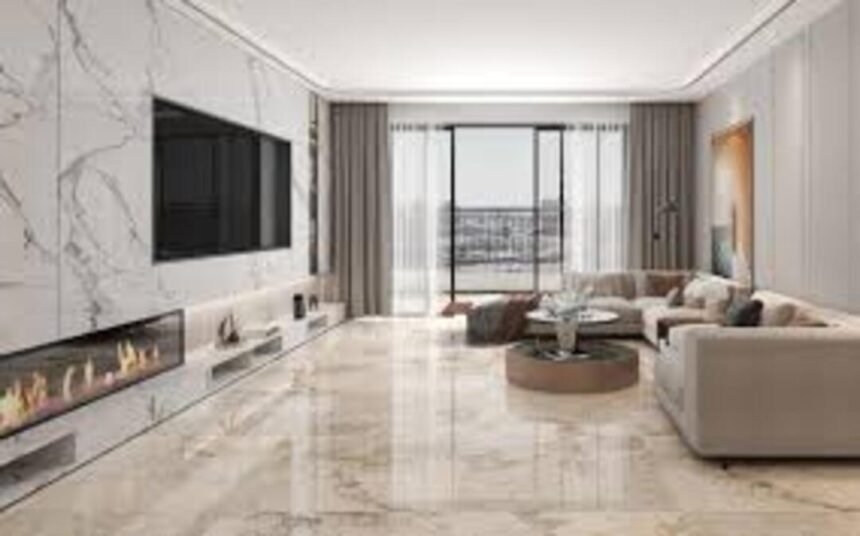
The Integral Role of Tile in Modern Interiors
When it comes to designing or refreshing a home, tiles often play a more significant role than many people appreciate. Tiles are no longer purely functional; they are central to the aesthetic and atmosphere of a space. Whether laid across floors, lining walls, or featured as an accent, carefully chosen tiles help define style, enhance texture, and introduce personality into rooms.
In recent years, the way designers use tiles has evolved dramatically. Once seen as a purely practical surface covering, tiles have become a dynamic design element capable of elevating interiors from ordinary to exceptional. A thoughtful tile selection can create a sense of continuity between spaces, soften architectural lines, or become a striking focal point that captures attention without overwhelming the rest of the décor.
The Fusion of Functionality and Style
One of the key reasons tiles have maintained their popularity is their unmatched combination of durability and design versatility. Unlike many materials that prioritise either performance or aesthetics, tiles offer both in equal measure. They are hard-wearing and easy to maintain, making them especially suitable for high-traffic areas such as kitchens and bathrooms. At the same time, advancements in manufacturing technology have expanded the range of visual styles, patterns, and finishes available to homeowners and designers.
From polished surfaces that reflect light and add a sense of spaciousness, to textured finishes that impart subtle depth, tiles have something to suit virtually every visual preference. This diversity allows homeowners to tailor the look and feel of their spaces with greater precision than ever before.
How Style Trends Influence Tile Choices
Interior design trends have a significant impact on tile choices. Over the past few years, there has been a noticeable shift towards designs that blend timeless elegance with contemporary flair. Classic patterns are being reinterpreted in modern colourways, while bold geometrics and artisanal motifs are finding their way into luxury interiors that favour character over minimalism.
At the same time, there is a strong appreciation for heritage and craftsmanship. Homeowners increasingly seek tiles that feel curated rather than mass-produced — pieces that speak to a story, a period, or an artistic influence. This has led to a resurgence in interest for collections that draw inspiration from historical patterns, with each tile acting as a canvas that enhances the room’s narrative.
The Power of Pattern and Scale
Pattern and scale are two elements that can transform the impact of tiles within a room. Large format tiles can make smaller spaces feel more open and less interrupted, lending a cohesive and expansive quality to floors and walls. Conversely, smaller, detailed patterns can enrich a space with visual interest and rhythm, often becoming the standout feature of a room.
Designers often use tiles strategically to create zones within open plan layouts, visually delineating areas without the need for physical barriers. A change in tile pattern from one section of an open living space to another can suggest different functional uses while maintaining an overall sense of harmony.
Choosing Tiles for Different Rooms
Different rooms naturally call for different tile characteristics. In bathrooms, for example, moisture resistance and ease of cleaning are critical considerations. Beyond performance, the way tiles interact with light and colour can influence the ambience of the space. Light-coloured tiles can make compact bathrooms feel more generous and serene, while patterned tiles can add personality and a sense of boutique luxury.
Kitchens, meanwhile, require surfaces that withstand frequent cleaning and resist staining. Tiles with rich textures and deeper tones can conceal daily wear while still enriching the visual appeal of the space. In living areas and hallways, tiles can act as both a practical flooring solution and a design asset, harmonising with furniture, textiles, lighting, and architectural details to create a cohesive whole.
The Influence of Colour and Material
Colour plays a profound role in how tiles affect the perception of space. Neutral tones tend to promote tranquillity and timelessness, enabling other design elements to shine without distraction. Meanwhile, richer colours and nuanced shades can add warmth and character, making spaces feel more intimate and expressive.
Material finish also contributes to the overall impact of a tile. Matte finishes offer a softer, understated elegance, while gloss finishes reflect light and can enhance brightness. The way these finishes interact with natural and artificial light varies throughout the day, giving spaces a dynamic quality that evolves with the lighting conditions.
How Curated Collections Elevate Interiors
Curated tile collections have emerged as an important resource for homeowners and freelancers alike. These collections often combine historical sensibilities, artistic influence, and contemporary production quality into cohesive design narratives. They provide a guided way to explore complementary patterns and colours that resonate together, making the process of tile selection feel more intuitive and inspired.
When a tile collection draws on the work of established designers or artistic traditions, it brings added depth to a space. Each tile becomes part of a wider creative context, encouraging a more meaningful approach to design that goes beyond surface aesthetics.
Working with Tiles as Part of a Design Journey
When homeowners work with tiles as part of a broader design strategy, the outcome is often more integrated and sophisticated. Rather than selecting a tile purely as a surface finish, designers consider how each piece interacts with furniture, lighting, and spatial flow. This holistic approach creates spaces where every element feels intentional and contributes to the overall atmosphere.
Tiles can be used to ground a room visually, define pathways, accentuate architectural features, or even tell a story through curated contrasts and harmonies. In this sense, tiles are less a finishing touch and more a foundational design component.
Installation and Longevity
While the aesthetic qualities of tiles make them a powerful design choice, their performance characteristics ensure they remain practical. Proper installation is essential to maximise both the longevity and visual impact of a tile scheme. Skilled installation ensures that patterns align, edges are seamless, and surfaces remain level — all of which contribute to a polished, professional finish that enhances the life of the material.
Once installed, tiles perform well under the rigours of daily use. Their resistance to moisture, staining, and wear makes them especially suitable for spaces that demand both durability and style. Over time, a well-chosen and properly installed tile scheme can maintain its elegance and integrity for decades.
Creating Timeless Interiors with Tile
Ultimately, tile design offers a unique way to combine form and function. The right selection can transform a room from merely functional to beautifully composed, enriching everyday life with visual and tactile qualities that elevate the experience of a space.
For homeowners and designers alike, exploring thoughtfully curated tile options opens up possibilities that extend beyond mere surface treatment. Through colour, pattern, texture, and material, tiles can help define the character of a home — making each room feel intentional, elegant, and complete.