



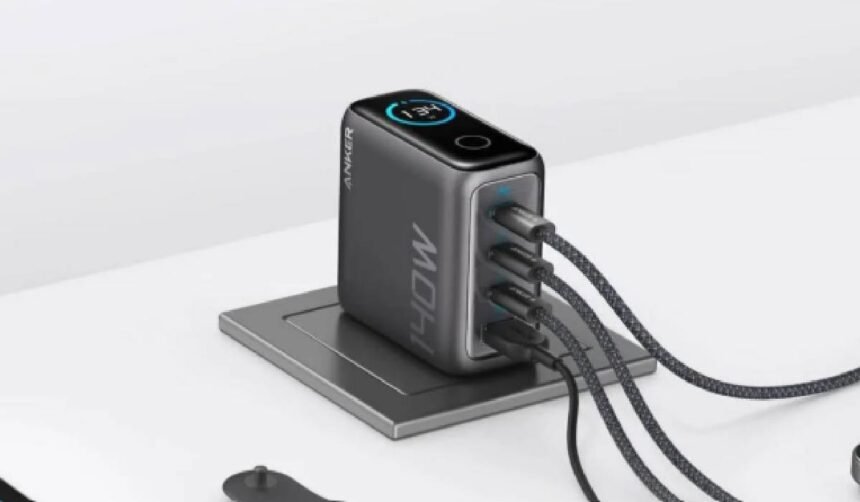
As modern devices continue to advance, charging technology has become just as important as battery capacity. Smartphones, tablets, laptops, wireless earbuds, and even gaming devices now rely heavily on USB-C for power delivery. While USB-C has simplified connectivity, choosing the right charger is still not as straightforward as it seems.
A poor charging choice can result in slow charging speeds, overheating, reduced battery lifespan, or even safety risks. This is why understanding how USB-C charging works and what factors matter most is essential before selecting a charger that truly fits your needs.
This article explains how to choose the right USB-C charger with a focus on performance, safety, compatibility, and long-term usability.
Why USB-C Has Become the Standard
USB-C has replaced older charging formats because it supports faster data transfer, higher power output, and universal compatibility. Unlike older connectors, USB-C is reversible, meaning it can be plugged in either way. More importantly, it supports advanced charging protocols that allow devices to draw only the power they need.
This flexibility has made USB-C suitable for everything from small accessories to power-hungry laptops. However, not all chargers are built the same, even if they look identical on the surface.
Understanding Charging Speed and Power Output
One of the most common mistakes users make is assuming that all USB-C chargers deliver the same speed. In reality, charging speed depends on wattage, voltage, and protocol compatibility.
A basic usb c charger may provide sufficient power for smartphones but struggle with tablets or laptops. Devices negotiate power delivery with the charger, meaning both sides must support compatible charging standards.
Higher wattage chargers can deliver more power, but the device will only draw what it can safely handle. Choosing a charger that supports fast charging standards ensures efficient power transfer without damaging the battery.
Fast Charging Protocols Explained
Fast charging works through communication between the device and the charger. The most widely adopted standard is USB Power Delivery (USB-PD). It allows dynamic power adjustment based on device needs.
If your device supports fast charging, pairing it with a compatible charger can significantly reduce charging time. However, using an incompatible charger may result in slower speeds, even if the cable fits.
This is why charger specifications matter more than appearance or size.
Safety Features Matter More Than Speed
Fast charging is convenient, but safety should always come first. Poor-quality chargers may lack basic protections, increasing the risk of overheating or electrical damage.
A reliable type c charger should include built-in safeguards such as:
- Over-voltage protection
- Over-current protection
- Temperature control
- Short-circuit prevention
These features ensure stable charging and help preserve battery health over time. Batteries naturally degrade, but unsafe charging accelerates that process.
Device Compatibility Is Key
Many users own multiple devices that rely on USB-C charging. Smartphones, tablets, headphones, and laptops may all have different power requirements.
Instead of using separate chargers for each device, many people prefer a single charger that can handle multiple power levels efficiently. However, compatibility depends on whether the charger can adapt its output dynamically.
A well-designed charger can safely power smaller devices while still delivering enough energy for larger ones. This flexibility makes USB-C charging especially useful in shared environments or travel situations.
Cable Quality Plays a Role Too
Even the best charger can underperform if paired with a low-quality cable. USB-C cables vary in construction, internal wiring, and power rating.
Some cables are designed only for data transfer, while others support higher wattage charging. Using an incompatible cable can result in slower charging or unstable power delivery.
When choosing a charger, it’s important to ensure the cable supports the same power level and charging protocol as the charger itself.
Portability vs Power: Choosing Based on Lifestyle
Your usage habits should influence your charger choice.
- Home or office users may prefer higher-wattage chargers that support multiple devices without needing frequent unplugging.
- Travelers often prioritize compact size and lighter weight, even if charging speed is slightly reduced.
- Laptop users require chargers capable of sustained high power output.
Balancing portability and performance ensures the charger fits naturally into daily routines without inconvenience.
Heat Management and Long-Term Battery Health
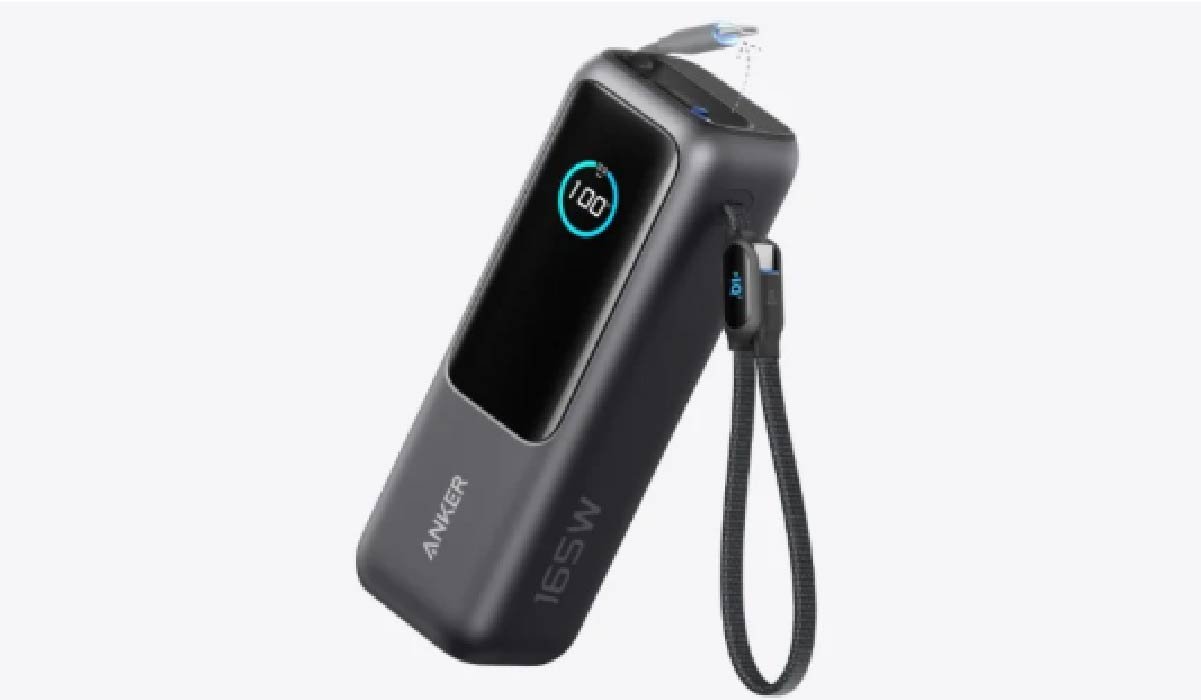
Heat is one of the biggest enemies of battery longevity. Efficient chargers regulate heat generation by distributing power evenly and adjusting output dynamically.
A properly designed usb c charger minimizes heat buildup, even during extended charging sessions. This not only protects the device but also improves overall charging efficiency.
Over time, consistent exposure to excessive heat can shorten battery lifespan, making heat management a crucial consideration.
Why Future-Proofing Matters
Technology continues to evolve, and devices are becoming more power-hungry. Choosing a charger that meets current needs but also supports higher power levels can help future-proof your setup.
A versatile type c charger can adapt to new devices without requiring frequent replacements. This reduces electronic waste and ensures long-term usability.
Future-proofing is not about buying the most powerful charger available, but about choosing one that balances flexibility, safety, and efficiency.
Common Mistakes to Avoid
Many users unknowingly make choices that affect performance and safety:
- Buying chargers without checking wattage ratings
- Ignoring compatibility with fast charging standards
- Using low-quality cables
- Prioritizing size over safety features
Avoiding these mistakes leads to a more reliable and consistent charging experience.
Making an Informed Decision
Choosing the right USB-C charger is about understanding your devices, usage patterns, and long-term needs. Charging should be efficient, safe, and adaptable to different environments.
Instead of focusing solely on speed or appearance, evaluating technical specifications and safety features leads to better outcomes. Informational resources and charger collections can help users compare options logically rather than emotionally.
Conclusion
USB-C charging has transformed how modern devices are powered, but selecting the right charger remains an important decision. Fast charging is valuable, but safety, compatibility, and long-term reliability matter just as much.
By understanding how USB-C chargers work and what features truly matter, users can make informed choices that protect their devices and improve everyday convenience. A well-chosen charger supports not only current devices but also future technology, making it a practical investment rather than a short-term fix.