



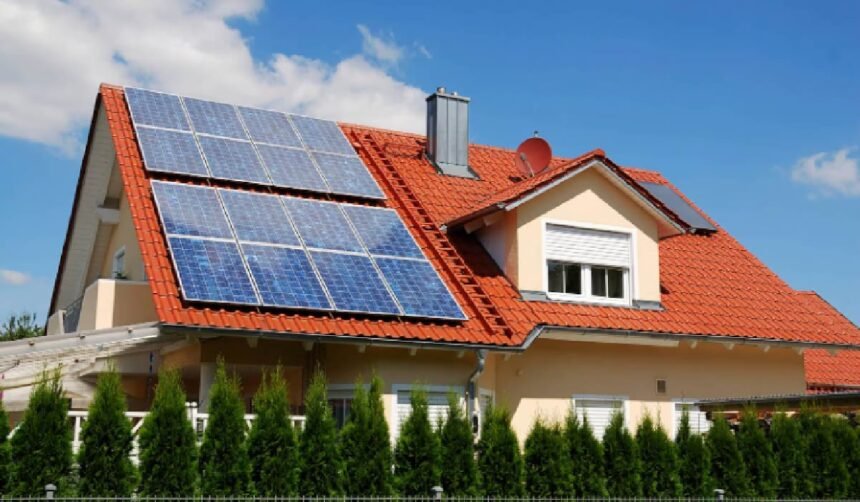
With growing demand for clean energy, more homeowners are considering solar panels as a key component of their home energy strategy. Solar panels offer a sustainable and cost-effective way to reduce electricity bills, decrease carbon emissions, and improve energy independence. However, integrating solar panels into your energy strategy requires careful planning and an understanding of how they work.
Understanding Your Energy Needs: The First Step in Solar Panel Integration
Before you begin installing a solar panel, it’s essential to understand your home’s energy needs. Calculate your average energy consumption to determine how much electricity you use daily and monthly. This includes not only basic needs like lighting and appliances, but also seasonal energy usage for heating or air conditioning. Solar panels are most effective when sized to meet your energy needs, so an energy audit is the first step in developing an effective strategy.
For example, if your home is primarily powered by air conditioning in the summer or heating in the winter, you may need more panels to handle the increased demand during those months. Once you have a clear understanding of your energy consumption, you can select the appropriate solar panels and battery storage solutions to ensure optimal performance.
Choosing the Right Type of Solar Panels for Your Home
There are several types of solar panels to choose from, each with its own set of advantages depending on your needs and budget. The three main types are monocrystalline, polycrystalline, and thin-film panels.
- Monocrystalline Solar Panels: Known for their high efficiency and sleek black design, these panels are made from a single silicon crystal. They are the most efficient and are ideal for homes with limited roof space.
- Polycrystalline Solar Panels: These panels are made from silicon crystals that are melted together, making them less efficient than monocrystalline panels but more affordable. They work well in larger spaces or on roofs with ample sunlight exposure.
- Thin-Film Solar Panels: These are flexible and lightweight, often used for larger installations or in specific architectural designs. While they are less efficient, they are cost-effective and can be ideal for commercial applications or specific use cases.
Selecting the correct type of solar panels depends on your roof’s size, the amount of sunlight you receive, and your budget. Consulting with a professional installer can help you make an informed decision.
Maximizing Efficiency with Solar Battery Storage
Incorporating solar panels into your home’s energy strategy isn’t just about generating electricity. You’ll also want to store excess energy for use during cloudy days or at night when solar energy isn’t available. Solar battery storage systems, such as those offered by EcoFlow, are an excellent option to ensure a continuous power supply.
EcoFlow’s range of solar batteries, from fixed to portable options, is designed to capture and store energy efficiently. These systems can be paired with solar panels to store energy for later use, whether for powering your home or for specific needs like camping or off-grid living. By storing solar energy, you’ll reduce reliance on the grid and become more self-sufficient, even in areas prone to power outages.
How to Reduce Self-Discharge and Parasitic Load in an Off-Grid Solar System
In off-grid solar systems, one challenge is minimizing energy loss from self-discharge and parasitic loads. Self-discharge occurs when the battery gradually loses charge over time, even when not in use, while parasitic load refers to the power consumed by the system itself to operate. Both factors can impact the performance and efficiency of your solar panel system.
To reduce self-discharge, use high-quality batteries like those from EcoFlow, which have low self-discharge rates. Additionally, ensure that your system is equipped with efficient charge controllers and inverters that minimize energy loss. For parasitic load, turn off unnecessary equipment, and regularly check your system for any components that may be using excess power.
By carefully managing self-discharge and parasitic load, you can enhance the longevity and efficiency of your off-grid solar system, ensuring that your energy strategy remains cost-effective and reliable.
Incorporating Solar Panels with Existing Energy Systems
Many homeowners already have an existing energy setup, such as an electric water heater or a traditional HVAC system. Integrating solar panels with your current systems can be a seamless process, provided you choose the right components and equipment.
For example, solar water heaters can be used alongside your traditional water heating system to reduce energy consumption. Similarly, installing solar panels to power your HVAC system or other high-energy appliances can significantly reduce utility costs. It’s important to consult with a professional installer to ensure that your solar panel system is compatible with your existing energy infrastructure.
Financial Incentives and Rebates for Solar Panel Installation
The upfront cost of solar panel installation can be significant, but numerous financial incentives are available to help offset it. Many governments and utility companies offer rebates, tax credits, and incentives for installing solar energy systems. These programs can significantly reduce the cost of purchasing and installing solar panels.
In the United States, for example, the Federal Solar Tax Credit allows homeowners to deduct a portion of the installation cost from their federal taxes. Some states and local municipalities also offer additional rebates or incentives. Be sure to check with your local authorities and utility providers to understand what financial incentives are available to you.
Maintaining Your Solar Panel System for Long-Term Efficiency
Once your solar panels are installed, it’s essential to maintain them to ensure optimal long-term performance. Regular cleaning and maintenance will ensure that your system operates efficiently, especially during the peak sunlight hours.
Solar panels are generally low-maintenance, but dirt, debris, and weather conditions can affect their performance. Cleaning the panels periodically, especially in areas with heavy dust or pollen, is crucial to keeping them efficient. Additionally, regularly inspect the wiring and connections to prevent issues from developing. Many installers offer maintenance packages to keep your system in t