



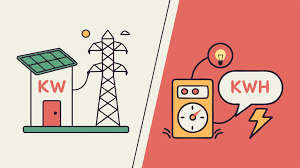
Many people assume their electricity rate per kWh is fixed and unaffected by their daily behavior. But in reality, your usage habits play a major role in how much you pay each month. From when you use electricity to how consistently you consume power, your energy habits can influence which plan is best for you—and in some cases, they can directly impact the rate you’re charged.
Understanding how your behaviors shape your electricity costs can help you choose smarter plans, avoid unexpected charges, and build energy habits that lead to meaningful savings over time. Below is a clear, people-first guide to how your usage patterns affect your electricity rate per kWh and what you can do to take control.
1. Peak Usage Times Can Increase Your Costs
Many electricity plans—especially time-of-use (TOU) plans—charge different rates depending on the time of day. Your “rate per kWh” isn’t actually one flat number; instead, it varies based on grid demand. Understanding these fluctuations can help consumers shift energy use to off-peak hours and reduce overall costs. Comparing providers and plans, including researching “electricity rates texas“, allows households to make smarter decisions about when and how they use power.
Peak hours:
Typically late afternoon and early evening, when people return home and use appliances.
Off-peak hours:
Late nights, early mornings, and some midday hours.
If you regularly use heavy appliances like dishwashers, dryers, or electric vehicle chargers during peak hours, your effective rate per kWh rises. On the other hand, shifting these tasks to off-peak times can significantly lower your total monthly bill.
our Total Monthly Usage May Affect Your Rate
Some electricity plans use tiered pricing—meaning you pay different rates depending on how much electricity you consume in a month.
Common structures include:
- Lower rates for lower usage tiers
- Higher rates once you cross a certain kWh threshold
- Bill credits that only apply when your usage falls within a specific range
This means your household behaviors—like running the AC often, adding an extra freezer, or working from home—can push you into a higher usage tier and raise your effective rate per kWh.
Conversely, reducing unnecessary usage can keep you in a lower tier with a better rate.
3. Appliances and Lifestyle Habits Influence Demand
Your electricity rate is also shaped indirectly by the types of appliances you use and how you use them.
High-consumption appliances include:
- Air conditioners and electric heating systems
- Water heaters
- EV chargers
- Dryers and ovens
- Older, inefficient refrigerators
If these appliances run frequently, they can create sudden spikes in consumption. Some providers charge more during high-demand bursts or adjust your bill based on your peak hours of usage.
Upgrading to efficient appliances and spreading out usage throughout the day can avoid costly spikes.
4. Seasonal Habits Cause Rate Fluctuations
Electricity usage habits change dramatically depending on the season—and so do your rates.
Summer:
Air conditioners run nonstop, pushing you into higher usage brackets.
Winter:
Electric space heaters, heat pumps, and lighting costs rise due to shorter days.
These habits might also influence what plan is best for you. For example, consumers reviewing pa electric choice rates often find that fixed-rate plans provide more stability year-round, especially when seasonal usage is unpredictable.
A yearly review of your usage patterns helps you choose a plan that protects you from seasonal cost spikes.
5. Time-of-Use Plans Reward Smart Consumption Habits
If your current plan offers TOU pricing, your habits directly determine your monthly costs.
Smart TOU habits include:
- Running laundry and dishwashers at night
- Charging electric vehicles during off-peak hours
- Pre-cooling or pre-heating your home before peak times
- Avoiding large appliance use in the early evening
Consumers who adopt these habits often reduce their effective rate per kWh significantly. Those unwilling or unable to shift usage may be better off with a fixed-rate plan.
6. Consistent High Usage May Lead to Better Plan Opportunities
While high usage usually means higher bills, it can also open doors to more competitive electricity plans.
Some providers offer:
- High-usage discounts
- Flat-rate monthly pricing
- Plans optimized for EV owners
- Special renewable packages
- Better fixed-rate terms for large-volume households
If your household uses more electricity due to remote work, electric heating, or electric vehicles, you may benefit from plans designed for heavy consumption.
7. Smart Home Technology Can Change Your Effective Rate
Smart home tools make it easier to monitor and adjust your energy usage. These tools don’t directly change your rate, but they help you use electricity during times and in ways that lower your overall cost.
Helpful technologies include:
- Smart thermostats
- Smart plugs and timers
- Home energy monitoring systems
- AI-powered usage alerts
- Smart appliances
By adopting these tools, you can avoid peak pricing, reduce wasted energy, and lower your effective rate per kWh.
8. Phantom Load Habits Add Hidden Costs
Even when appliances are “off,” many still draw electricity. This invisible consumption—known as phantom load—can increase your monthly usage without you realizing it.
Common phantom load culprits:
- TVs
- Gaming consoles
- Chargers
- Smart speakers
- Desktop computers
- Coffee makers and microwaves
Unplugging devices when not in use or using smart power strips helps reduce wasted electricity and lowers your effective cost per kWh.
9. Your Rate Structure Might Not Match Your Usage Habits
Sometimes, the biggest issue isn’t your behavior—it’s the plan you’re on.
For example:
- If you’re on a fixed plan but use most electricity at night, you may benefit from a TOU plan.
- If you’re on a TOU plan but can’t shift usage, a fixed-rate plan might be cheaper.
- If you have inconsistent usage month-to-month, a tiered plan may not be ideal.
Your usage habits should guide your rate plan—not the other way around.
10. Reviewing Your Usage Regularly Helps You Stay in Control
You can’t adjust what you don’t measure. Keeping track of your electricity habits helps you identify patterns that influence your rate per kWh.
Review:
- Monthly usage totals
- Time-of-day consumption
- Seasonal peaks
- Appliance-level consumption (if supported by your utility)
This knowledge helps you avoid costly habits, choose better plans, and ultimately reduce your electricity costs.
Conclusion
Your electricity rate per kWh isn’t just a number set by your provider—it’s heavily influenced by the way you use energy every day. From the time of day you run appliances to your seasonal habits and the type of plan you choose, your behaviors play a major role in your total electricity cost.
By understanding how usage habits affect your rate and making thoughtful changes, you can take control of your monthly bill, choose a plan that fits your lifestyle, and save money with minimal effort.
Smart habits lead to smarter savings—all it takes is awareness and a willingness to make small adjustments that add up over time.