



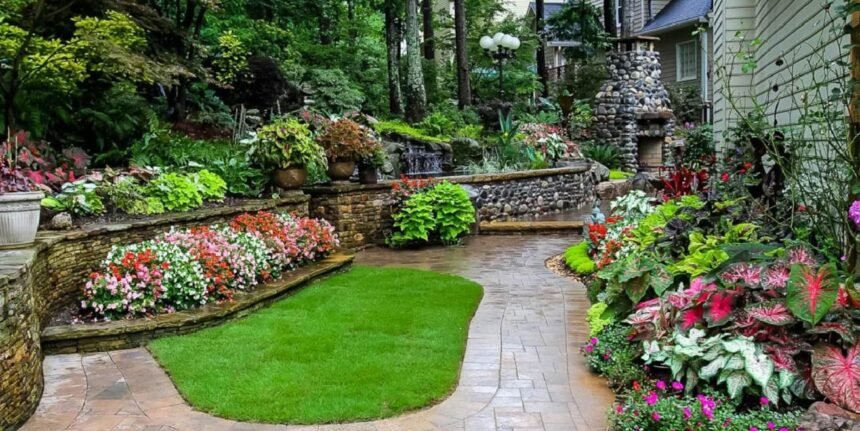
The outdoor environment surrounding a home or business is more than just empty land or bare soil—it’s a canvas for creativity, function, and environmental harmony. Whether it’s a cozy backyard, a sprawling commercial property, or a community green space, landscaping plays a vital role in elevating the beauty, usability, and value of any outdoor area.
In this comprehensive guide, we’ll explore what landscaping truly means, the variety of services it encompasses, the benefits it provides, and how to make smart choices that result in stunning, sustainable outdoor spaces. Whether you’re a homeowner dreaming of a garden retreat or a business looking to impress visitors, understanding the art and science of landscaping is the first step to success.
What is Landscaping?
At its core, landscaping refers to the planning, designing, and maintenance of outdoor areas to enhance their aesthetic appeal and functionality. It involves the careful arrangement of natural elements such as plants, trees, shrubs, and flowers along with hardscape components like patios, walkways, retaining walls, water features, and lighting.
Good landscaping balances beauty with purpose—it considers the local climate, soil conditions, usage needs, and the desired style, whether modern minimalism, lush tropical gardens, or classic formal designs.
The Components of Landscaping
Effective landscaping integrates multiple components to create harmonious outdoor environments:
1. Softscaping
Softscaping is the living, organic part of landscaping that includes:
- Trees, shrubs, hedges, and bushes
- Flower beds and ground cover
- Lawns and grasses
- Vines and climbing plants
- Mulching and composting
Softscaping provides color, texture, shade, and seasonal interest. It also plays a key role in environmental benefits like soil stabilization, air purification, and habitat creation for wildlife.
2. Hardscaping
Hardscaping refers to the man-made structures and features that shape and support the outdoor space:
- Patios, decks, and terraces
- Driveways and walkways
- Retaining walls and fences
- Water features such as ponds, fountains, and waterfalls
- Outdoor kitchens, fire pits, and seating areas
- Lighting systems for safety and ambiance
By combining hardscape and softscape thoughtfully, landscapers create versatile spaces that can be enjoyed year-round.
Types of Landscaping Services
Depending on the scope and needs of a project, landscaping services may include:
- Design and Consultation: Professional landscape architects or designers create plans that align with the client’s vision, budget, and site conditions.
- Installation: Planting trees, laying sod, building patios, and installing irrigation systems.
- Maintenance: Regular mowing, pruning, fertilizing, pest control, and seasonal clean-ups.
- Sustainable Landscaping: Incorporating native plants, xeriscaping (water-efficient landscaping), rain gardens, and eco-friendly practices.
- Commercial Landscaping: Designing and maintaining outdoor spaces for office parks, retail centers, schools, and municipalities.
Benefits of Quality Landscaping
Investing in expert landscaping offers more than just curb appeal. Here are some key advantages:
1. Enhanced Property Value
Beautifully landscaped properties consistently sell for more than those with neglected or plain yards. Well-designed landscapes boost first impressions and perceived value.
2. Improved Environmental Health
Plants absorb carbon dioxide and pollutants, reduce erosion, improve soil health, and support biodiversity. Incorporating sustainable landscaping practices conserves water and energy.
3. Increased Usability
Outdoor spaces become extensions of living or working areas, perfect for entertaining, relaxing, or team gatherings.
4. Reduced Maintenance Costs
A thoughtfully planned landscape can minimize water usage, prevent soil degradation, and reduce the need for pesticides or fertilizers.
5. Psychological Benefits
Exposure to nature has been proven to reduce stress, enhance mood, and improve overall well-being.
Key Considerations for Successful Landscaping
To achieve the best results, consider the following factors when planning any landscaping project:
Understand Your Site
Analyze soil type, drainage, sunlight exposure, and existing vegetation. These elements dictate plant choices and structural placement.
Define Your Purpose
Are you aiming for privacy, recreation, visual appeal, or wildlife habitat? Clear goals guide design decisions.
Choose Appropriate Plants
Select plants suited to your climate, soil, and maintenance preferences. Native plants often thrive with less water and care.
Plan for Growth
Consider mature plant sizes to avoid overcrowding or obstruction.
Incorporate Irrigation
Efficient watering systems prevent overuse and ensure healthy plant growth.
Budget Wisely
Break down costs for design, materials, labor, and ongoing maintenance.
Trends in Modern Landscaping
The field of landscaping continues to evolve with innovations and shifts in consumer preferences. Some current trends include:
- Sustainable and Native Plant Landscaping: Emphasizing eco-friendly practices that reduce resource use.
- Outdoor Living Spaces: Blurring the line between indoor comfort and outdoor enjoyment with kitchens, lounges, and entertainment areas.
- Smart Irrigation: Using weather sensors and automated systems for precise watering.
- Edible Gardens: Integrating vegetables, herbs, and fruit-bearing plants for fresh produce.
- Minimalism and Simplicity: Clean lines, open spaces, and restrained plant palettes for modern aesthetics.
Common Landscaping Mistakes to Avoid
Even well-intentioned projects can falter if basic pitfalls are not addressed:
- Overplanting or choosing invasive species
- Ignoring soil health and drainage issues
- Skimping on proper irrigation
- Failing to plan for seasonal changes
- Neglecting maintenance considerations
Partnering with experienced professionals can help navigate these challenges and avoid costly errors.
How to Find the Right Landscaping Partner
Choosing the right landscaping company or professional is critical for success. Look for:
- Proven experience and portfolio of work
- Clear communication and understanding of your vision
- Transparent pricing and detailed estimates
- Strong references and positive reviews
- Knowledge of sustainable practices and local ecology
A good landscaper is not just a contractor but a creative collaborator who brings your outdoor dreams to life.
Conclusion
From boosting curb appeal to fostering environmental stewardship, landscaping in Waxahachie is a powerful way to transform outdoor spaces into living masterpieces. Whether your goal is a tranquil garden, a functional workspace, or a vibrant social hub, thoughtful landscaping elevates your property’s value and your quality of life.
Investing in professional landscaping design, installation, and maintenance ensures your outdoor environment thrives for years to come. Embrace the possibilities, honor nature, and create spaces that inspire every day.