



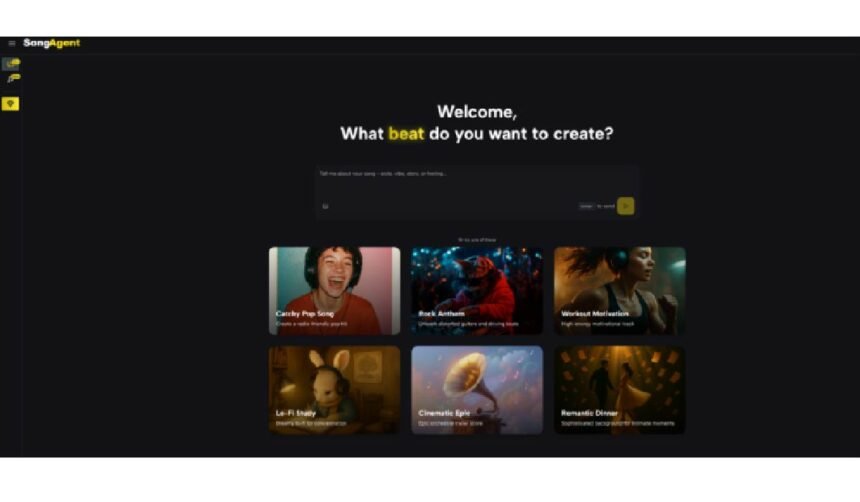
Most creators do not struggle to imagine the mood they want. They struggle to make the mood repeatable—across a series, across deadlines, across multiple versions of the same story. That is where an AI Music Agent becomes valuable: it turns music creation into a workflow you can run again and again, without resetting your brain to zero each time.
Think of it less as “instant music” and more as a way to formalize your taste. When you can describe your intent clearly, review a structured plan before generation, and refine with targeted feedback, you stop gambling for a lucky result and start producing outcomes that match your creative identity.
Why Repeatability Matters More Than Raw Speed
Speed is helpful, but consistency is what builds trust—especially in content ecosystems where audiences return for a familiar voice. Music is part of that voice. If your sound changes wildly between pieces, your brand feels less coherent.
The Series Problem
A single great track is easy to celebrate. A library of tracks that all feel like they belong together is harder. Most people solve this by settling for generic music because it is safer.
Consistency Is a Creative Choice
A consistent sonic identity does not mean every track sounds the same. It means your music shares a recognizable shape: how it builds, how it breathes, how it resolves, and what emotional colors it prefers.
What an AI Music Agent Helps You Standardize
Song Agent can help you turn vague preferences into repeatable instructions. Over time, you develop a stable “brief language” that becomes your creative template.
Turning Taste Into Briefs
Many creators have taste but cannot translate it into actionable direction. The agent-based workflow creates a bridge: you describe feelings and contexts, the system translates them into a plan you can approve.
Blueprints Make Iteration Less Emotional
Without a plan, revisions feel like guessing. With a plan, revisions feel like steering. You are not debating whether the track is “good.” You are deciding whether it matches the arc you intended.
A Four-Step Workflow You Can Reuse Across Projects
A good workflow is not the one that produces a single win. It is the one you can trust tomorrow when you are tired, busy, or under pressure.
Step 1: Define the Purpose and Constraints
Start by stating what the track must do and what it must avoid. Purpose could be “energize a product reveal,” “support a calm tutorial,” or “feel like closure.”
Write Like You Are Briefing a Human
If your brief would make sense to a collaborator, it is usually clear enough for an agent-based process. Focus on role, emotion, and pacing rather than technical jargon.
Step 2: Approve the Blueprint of Structure and Arc
Review the planned structure before generation. This stage is where you ensure the track’s emotional motion matches your narrative motion.
Make the Timeline Match the Story
If your visual or narrative has a turning point, the music should reflect it. Approving the plan first helps you align these moments without costly rework later.
Step 3: Generate and Refine With Clear Priorities
Generate the track, then refine based on the single most important improvement: stronger lift, calmer bed, clearer contrast between sections, or a more confident ending.
Protect the Core Intent While You Adjust Details
The fastest path to quality is to keep the main idea stable and adjust the supporting elements. That prevents you from drifting into a totally different track that no longer serves the project.
Step 4: Export and Capture What Worked
Export the track when it fits the use case, then remember what made it work so you can reuse that language in future briefs.
Build a Personal Prompt Playbook
A repeatable workflow becomes even stronger when you keep a small set of briefs that consistently produce your preferred feel. Over time, your “prompt language” becomes a creative asset.
How to Create Cohesion Across Multiple Tracks
Cohesion is often a product of shared decisions: similar pacing philosophy, similar emotional temperature, and similar structural habits. You do not need identical instrumentation to feel consistent.
Anchor by Energy, Not by Genre
Genres can change, but the energy curve can stay consistent. Many strong brands have varied styles while maintaining a recognizable emotional rhythm.
Use Structure as the Signature
Structure is the part audiences feel subconsciously. If your intros are always confident, your builds are always purposeful, and your endings are always clean, your work feels coherent even with varied surface textures.
Comparing Two Creative Modes: Random Output vs Directed Output
A lot of frustration with music generators comes from the feeling of randomness. Directed workflows reduce randomness by giving you a stable reference point: the plan.
Why Direction Produces Better “Luck”
When you specify intent, approve structure, and refine with targeted notes, your “lucky hits” become more frequent because you are narrowing the search space with meaning.
A Practical Comparison
When you look at the workflow as a system, you can see why the agent approach often feels more controllable.
| Creative need | Random-output habit | AI Music Agent habit |
| Faster alignment | Re-generate repeatedly | Adjust the plan and iterate |
| Stronger storytelling | Hope the drop lands | Place the lift intentionally |
| Consistent brand tone | Drift between attempts | Reuse a stable brief language |
| Efficient revisions | Replace the entire track | Modify one priority at a time |
Where This Fits Best and Where It May Not
A realistic view of any tool is healthier than hype. An AI Music Agent can accelerate creation, but it still depends on your clarity and your willingness to iterate.
Best Fit: Tight Deadlines and Clear Intent
If you know what you want the music to do, you can reach a usable result quickly and refine toward excellence without losing your schedule.
Best Fit: Content, Ads, and Product Work
These contexts reward speed, coherence, and repeatability. The music must serve the message and fit the format more than it must impress as a standalone composition.
Getting Better Results Without Making Things Complicated
The easiest way to improve outcomes is to make your brief slightly more specific, not dramatically longer.
Clarity Beats Length
A short brief with clear purpose often outperforms a long brief full of scattered adjectives. Purpose tells the system what to optimize.
A Simple Troubleshooting Habit
If the track feels off, keep the same goal and adjust one dimension: energy curve, contrast between sections, or the character of the ending. Small, disciplined changes compound into quality.
The real advantage of an AI Music Agent is not just that it can create music. It is that it can help you create a repeatable practice—one where your taste becomes operational, your workflow becomes predictable, and your ideas reach completion more often than they fade away.