



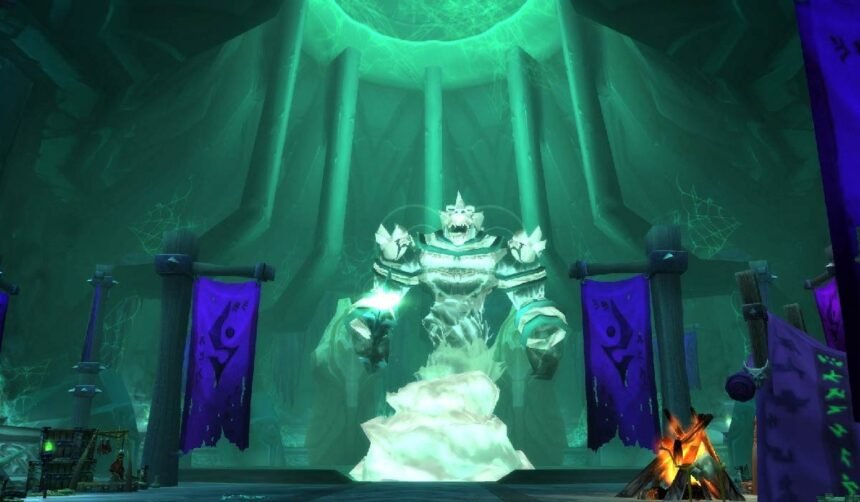
Understanding the Challenges of Heroic Dungeons
Before you can beat heroic dungeons consistently, you need to understand that they’re tuned around tighter margins: higher mob health, punishing ability overlaps, stricter healer throughput checks, and tank survivability spikes that expose weak cooldown usage or poor positioning. You can’t just out-gear mistakes; you must respect dungeon mechanics and handle each pull with intention.
First, every trash pack matters. Interrupt chains, dispels, and stun rotations must be planned, not improvised. You’ll wipe more to trash than bosses if you ignore casts, cleaves, and ground effects. Second, bosses demand precise execution: pre-positioning for knockbacks, pre-assigning defensive cooldowns for known damage spikes, and timing offensive cooldowns with bloodlust-type effects.
Finally, party synergy defines your success. You need clear role boundaries: who’s kiting, who’s focusing priority targets, who’s covering key interrupts. When each player’s toolkit is mapped to specific mechanics, manaforge omega heroic boost become controlled, repeatable clears.
Finding and Choosing the Right Expert Help
When you’re stuck wiping in the same spots, the fastest progression boost often comes from targeted expert help rather than more random pulls. Start your expert selection by defining what you actually need: route planning, cooldown mapping, or role-specific optimization. Look for players who’ve timed keys above your target level on your class or role, not just anyone with high overall ratings.
Use clear assistance criteria. Prioritize experts who:
- Provide logs or VODs proving recent success.
- Understand current dungeon tuning and affixes.
- Can explain pulls, interrupts, and defensives in concrete terms.
Check how they communicate: do they give short, actionable instructions, or vague “play better” feedback? Favor experts who outline a repeatable plan—pull order, priority interrupts, defensive rotations, and wipe points with specific fixes. Finally, confirm schedule, expectations, and your goals (e.g., “clean execution of boss X”) so every session produces measurable progression.
Learning From Coaches and High-Level Players
Adopt a growth-focused player mindset. Don’t just copy their actions; ask why they choose specific talents, routes, and cooldown timings. Record key examples: how they plan defensives before dangerous mechanics, chain crowd control, or adjust on the fly when a pull goes wrong.
Between sessions, drill specific skills they highlight—such as maintaining uptime, pre-positioning for mechanics, or handling priority targets. Track your mistakes and improvements so you can return with precise questions, turning high-level insights into consistent heroic dungeon success.
Using Tools, Addons, and Community Resources Effectively
Anyone pushing heroic dungeons seriously should treat tools and addons as core parts of their kit, not optional extras. Start by locking in a UI that surfaces the right information: clear boss timers, visible defensive cooldowns, and sharp nameplates for priority targets. Then tune your addon configurations so they match how you actually play—color‑coded alerts for mechanics you personally tend to miss, weakauras for key interrupts, and concise audio cues.
Use tools and sites to fill knowledge gaps on routes, affix handling, and optimal utility usage. Don’t just copy; adapt what you see to your comp and item level.
| Purpose | Tool / Resource Use |
| Boss mechanics | Timer addons + visual weakauras |
| Defensive planning | Cooldown tracking bars/icons |
| Route optimization | Community-made dungeon planners |
| Gear decisions | Simulators and stat-weight tools |
| Problem-solving | Community forums, run logs, and VOD reviews |
Turning Expert Guidance Into Long-Term Skill Growth
Tools and expert guides get you moving faster, but long-term progress comes from turning that information into habits you can repeat under pressure. Skill development happens when you stop copying routes and start understanding why they work. Each pull, ask: what did I do, what happened, what changes next time?
Use mentorship benefits deliberately. When an experienced player reviews your run, translate every note into a concrete adjustment: a keybind change, a cooldown timing, a positioning rule. Then drill it in normal or heroics until it’s automatic.
To anchor expert guidance into long-term growth, focus on:
- Clarity: After each dungeon, write three specific improvements you’ll apply next run.
- Consistency: Practice the same opener, rotation, and defensive timings until you can execute them even when flustered.
- Reflection: Rewatch logs or recordings, track mistakes that repeat, and eliminate them one mechanic at a time.
Frequently Asked Questions
How Do I Stay Motivated After Repeatedly Failing Difficult Heroic Dungeon Bosses?
About 80% of players improve after tracking failures. You stay motivated by breaking pulls into micro goal setting, reviewing logs, tweaking rotations, and using positive reinforcement—celebrate cleaner mechanics, shorter phases, and consistent survivability more than kills.
What Etiquette Should I Follow When Joining Expert-Led Dungeon Runs?
You respect group communication, clarify role expectations early, and follow the leader’s route and pace. You listen in voice/text, ask concise questions between pulls, avoid backseat leading, own your mistakes, and pre-pot, flask, and gem appropriately.
How Can I Overcome Performance Anxiety When Playing With Much Stronger Teammates?
Imagine hitting “alt-tab” on anxiety: adopt a mindset shift to treat runs as practice, not judgment. Use drills, dummy parsing, and recorded reviews as practice techniques. Communicate goals, accept feedback, track incremental improvements, and normalize mistakes.
How Do I Manage Time for Progression Dungeons With a Busy Real-Life Schedule?
You prioritize fixed raid windows, then build real-life around them. Use strict time management: shared calendars, sign‑ups, and caps on pull counts. Apply scheduling strategies: pre-plan consumables, lock in roles, batch practice logs, skip low-value side content.
What’s the Best Way to Handle Conflicts or Toxic Behavior in Dungeon Groups?
You handle conflicts by setting clear loot/role expectations, muting flame, and using calm conflict resolution in party chat. If toxic behavior continues, replace players, leave, or queue with vetted groups/guilds to protect progression efficiency.