



Introduction
Why is a small, federally controlled island off Long Island’s eastern tip often at the center of mystery, scientific intrigue, and fierce conservation debates? That island is none other than Plum Island Southold NY 11957, a place where history, ecology, science, and speculation intersect. Despite being less than 850 acres in size, this island is a hidden cornerstone of American scientific defense, an ecological haven, and the subject of national attention due to its uncertain future. Officially linked to the Southold, New York 11957 ZIP code, Plum Island sits quietly in the Long Island Sound, inaccessible to the general public, yet visible from the shores of Orient Point.
This article explores everything there is to know about Plum Island—from its indigenous history and military roots to its ecological treasures and bio-research facility, and finally to the public debate on whether it should be sold, preserved, or opened to future generations. By examining every angle, this informative article seeks to shed light on a location often misrepresented or misunderstood—while ensuring that plum island southold ny 11957 is documented for all it offers, both hidden and in plain sight.
Understanding Plum Island: Location, Geography & Postal Identity
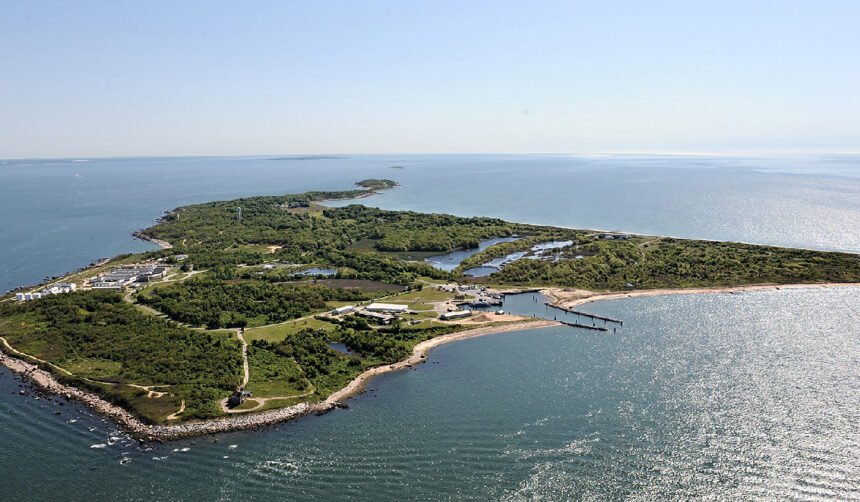
Plum Island Southold NY 11957 lies just off the easternmost tip of Long Island, beyond the scenic hamlet of Orient in Suffolk County. Geographically, it is situated between Orient Point and Fishers Island, surrounded by the Long Island Sound. Though only about three miles long and one mile wide, its strategic location has made it both a military and scientific asset for over a century. The island’s isolation, just a short ferry ride from the mainland, provides an ideal buffer for biosecurity operations and has inadvertently protected its natural landscapes from development.
Despite having no residents or typical postal infrastructure, the island is commonly associated with the ZIP code 11957, which is officially designated for the town of Southold and Orient. This tie exists due to federal logistical and administrative assignments. As such, while plum island southold ny 11957 doesn’t house any permanent civilian population or businesses, it maintains a strong federal identity rooted in that regional ZIP code.
The Historical Timeline of Plum Island
Indigenous and Colonial Roots
Before it was a scientific base or a military stronghold, Plum Island Southold NY 11957 was known as Manittuwond to the Pequot people and other Indigenous tribes. This land served as a seasonal hunting and fishing ground and was revered for its natural bounty, including the wild beach plums that eventually gave the island its English name. In 1659, the island was purchased by European settlers, becoming part of New England’s colonial trade network. Over time, it transitioned into a strategic maritime outpost due to its proximity to key shipping lanes, marking the beginning of its long-standing military relevance.
Military Fortification: Fort Terry and U.S. Coastal Defense
By the late 19th century, Plum Island’s strategic potential was realized by the U.S. Army, which established Fort Terry in 1897. Originally built as a coastal artillery post to defend against naval threats, Fort Terry saw expanded use during both World War I and World War II. Troops trained there, coastal guns were installed, and the island became a minor but important player in national defense. After World War II, Fort Terry was deactivated in 1949, and its facilities began a new life—as the stage for some of the most sensitive biological research in the country. Many of the military buildings still remain, standing as historic markers of a time when the island’s threats were military, not microbial.
From Cold War to Containment: The Rise of the PIADC
The Cold War brought a new kind of battlefield—biological warfare. In 1952, the U.S. government established the Plum Island Animal Disease Center (PIADC) under the USDA. The mission: to study and prevent the spread of foreign animal diseases like Foot-and-Mouth Disease (FMD), African Swine Fever (ASF), and later Bovine Spongiform Encephalopathy (mad cow disease). This facility became the only place in the U.S. where active FMD research was conducted. The isolation of Plum Island Southold NY 11957 made it ideal for such work, as any accidental release could be contained.
The PIADC was later managed jointly by the Department of Homeland Security, emphasizing its role in national biosecurity. Today, the research center is being relocated to Kansas, but the legacy of biological containment and animal health research remains tightly bound to Plum Island.
The Scientific and Secretive Side of Plum Island
Inside the Plum Island Animal Disease Center (PIADC)
The PIADC was no ordinary lab. It was one of the few federally approved high-containment facilities specializing in foreign livestock diseases. The labs operated under Biosafety Level 3 Agriculture (BSL-3Ag) protocols—meaning only the strictest measures of decontamination, access control, and air handling were acceptable. Research conducted here helped the U.S. prevent outbreaks that could cripple agriculture, trade, and food supply chains. For decades, teams of veterinarians, microbiologists, and epidemiologists worked on the island, studying viruses and pathogens that could wipe out cattle and swine industries. The work was crucial, but the heavy biosecurity and restricted access only fueled more public suspicion and mystery around plum island southold ny 11957.
Debunking Conspiracies: Fact vs Fiction
Over the years, the secretive nature of the island has led to wild speculation. Claims that the island housed bioweapons, genetically modified monsters, or that it was linked to the “Montauk Monster” have appeared in tabloids and online forums. While these stories are captivating, there is no verified evidence of any covert biowarfare projects. The reality is much simpler and more serious: PIADC was focused on animal health, not human manipulation or weapons development. The aura of mystery, however, persists—especially since most Americans have never seen the inside of this restricted island.
Ecology and Biodiversity – A Protected Environmental Gem
Key Ecosystems That Thrive on Plum Island
Beyond the fences and laboratories lies an island of rich ecological value. Plum Island Southold NY 11957 features a mosaic of habitats—salt marshes, tidal flats, scrubland, freshwater wetlands, and pockets of forest. These natural areas have remained relatively undisturbed due to federal control, and ironically, the same security that keeps people out has also protected wildlife from overdevelopment.
A Refuge for Birds Along the Atlantic Flyway
Plum Island is a crucial stopover on the Atlantic Flyway, one of North America’s major migratory bird routes. Species such as the piping plover, American oystercatcher, and roseate tern use the island for nesting and feeding during migration seasons. Over 200 bird species have been documented on the island, making it a birdwatcher’s paradise—if only people could enter.
Vital Marine Nurseries and Coastal Ecosystems
The island’s tidal flats and salt marshes serve as essential breeding and feeding grounds for marine life. Juvenile fish, shellfish, and crabs thrive here before moving into deeper waters. These ecosystems also play a critical role in filtering pollutants and preventing erosion. The diversity of marine life adds another layer of importance to preserving plum island southold ny 11957.
A Wildlife Refuge in All But Name
In 2000, parts of Plum Island were declared a National Wildlife Refuge under U.S. Fish and Wildlife Service oversight. While the island isn’t open to the public, this designation adds legal and ecological weight to efforts aimed at preserving it. Periodic studies and surveys are still conducted, confirming the island’s significance for biodiversity and conservation.
Conservation vs Development – The Battle for Plum Island’s Future
The Threat of Sale and Private Development
In 2008, the federal government announced plans to sell Plum Island to help fund the National Bio and Agro-Defense Facility (NBAF) in Kansas. This sparked outrage among environmental groups, historians, and local residents. The fear? That developers would turn this untouched island into a private resort or housing community, destroying its sensitive ecosystems forever.
The Preserve Plum Island Coalition’s Fight
In response, advocacy groups formed the Preserve Plum Island Coalition, uniting over 100 organizations to stop the sale. Their argument was simple but powerful: Plum Island should be protected, not privatized. After years of legal and political maneuvering, Congress finally passed a law in 2020 stopping the auction. The battle was a victory for conservation, but the island’s ultimate fate remains undecided.
Visions for the Future: Park, Monument, or Lab Extension?
Several future paths are on the table. Some propose turning the island into a national park or ecological learning center, with tightly controlled public access. Others want it managed as a research reserve, combining science and conservation. What all options agree on is this: plum island southold ny 11957 is too valuable to lose to commercial development.
Local Impact: Southold’s View of Plum Island
Though no one lives on Plum Island, the surrounding community of Southold NY 11957 is deeply affected by its presence. Local businesses support federal operations by providing ferry services, repairs, and supplies. Scientists and staff rent homes in the area, boosting the local economy. Real estate near Orient Point often markets “Plum Island views” as a unique selling point. Yet not all residents feel comfortable. The island’s secrecy, rumors, and looming sale have created a mix of curiosity and concern in Southold’s collective consciousness.
Why Plum Island Continues to Fascinate the Public
People are drawn to places they can’t access. That’s part of why plum island southold ny 11957 remains in popular imagination. Books, documentaries, and speculative news stories continue to feature it. It’s one of the last forbidden zones in the Northeast—a place full of scientific potential, ecological marvels, and historical resonance, but shrouded behind fences and mystery.
Conclusion
Plum Island Southold NY 11957 is not just an island; it is a story of defense, science, nature, and public responsibility. From Native American heritage to Cold War containment labs, and from endangered birds to ecological sanctuaries, it embodies a rare intersection of human history and natural beauty. As debates continue about its future, one truth stands firm: Plum Island deserves thoughtful stewardship. Whether it becomes a national park, a protected research reserve, or a place for limited educational access, what we choose to do next will reflect what we value as a society. Do we preserve this jewel for the next generation—or let development erase its secrets forever?
FAQs About Plum Island Southold NY 11957
1. What is Plum Island near Southold NY 11957?
Plum Island is a federally owned island located off the coast of Southold NY 11957 in Long Island Sound. It is known for its important animal disease research center, protected wildlife habitats, and long history of military and scientific use.
2. Why is Plum Island not open to the public?
Plum Island is closed to the public because it contains the Plum Island Animal Disease Center, a secure research facility that studies foreign animal diseases. For safety and biosecurity reasons, only authorized staff are allowed to enter the island.
3. Why is Plum Island connected to the ZIP code 11957?
Plum Island uses the Southold/Orient Point ZIP code 11957 for federal mailing and administrative purposes. No one lives on the island, so it does not have its own residential ZIP code.
4. What wildlife lives on Plum Island?
Plum Island supports many species, including migratory birds, piping plovers, oystercatchers, seals, and marine life. Its salt marshes, tidal flats, and forests make it an important ecological habitat in the Long Island Sound.
5. What is the future of Plum Island?
The future of Plum Island is still being decided. Conservation groups want it protected as a wildlife refuge or public park, while past federal plans suggested selling it. Most current efforts focus on preserving its natural and historical value.
For More Information, Visit Fourmagazine