



Introduction
In a world where pet lovers seek the perfect blend of beauty, personality, and companionship, the Pomerusky has emerged as a true showstopper. This striking hybrid dog—born from the union of a Pomeranian and a Siberian Husky—has quickly gained global popularity for its eye-catching looks and spirited personality. Known more commonly as the Pomsky, the Pomerusky has exploded in popularity across North America, Europe, and social media platforms like Instagram and TikTok, thanks to its fox-like appearance, dazzling blue or heterochromatic eyes, and plush coat.
But beyond its visual appeal, the Pomerusky symbolizes a growing fascination with designer dog breeds that combine traits from vastly different canine lineages to create unique companions. Alternate names for this hybrid include Pomsky, Husky-Pom, and Pomeranian Husky mix, though “Pomerusky” is increasingly used to describe multi-generational versions or stylistic expressions of this hybrid. This article dives deep into the Pomerusky’s origins, temperament, care requirements, training needs, and lifestyle suitability, offering a complete picture for potential owners and enthusiasts alike.
Origins and Designer Breed History of the Pomerusky
The Pomerusky is part of the booming designer dog movement, which seeks to blend specific traits of purebred dogs to create new, desirable hybrids. Although crossbreeding has been practiced for centuries, intentional designer breeding of dogs like the Pomerusky only gained real momentum in the early 2010s. The goal was to combine the Siberian Husky’s stunning appearance and intelligence with the Pomeranian’s small size and loyal temperament.
However, due to the vast size difference between the two breeds, breeding typically requires artificial insemination, with the Husky as the mother and Pomeranian as the sire to ensure safe delivery. Breeders were initially motivated by the dream of creating a “miniature Husky”, retaining the Husky’s striking features but in a more manageable, apartment-friendly size. Despite its popularity, the Pomerusky is not recognized by the American Kennel Club (AKC) or most traditional kennel organizations, which means there are no uniform breed standards—adding to its unpredictability and charm.
Physical Characteristics – What a Pomerusky Looks Like
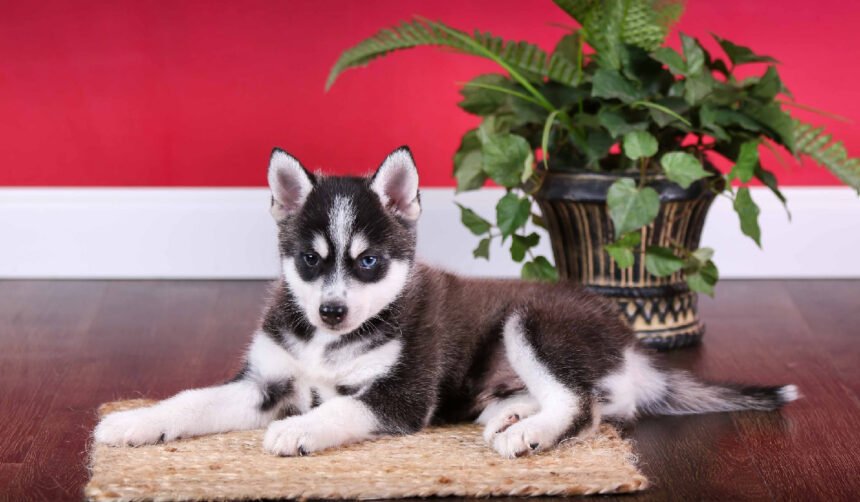
Describing the appearance of a Pomerusky can be a delightful challenge, as these dogs can inherit a wide range of traits from either parent. Typically, a Pomerusky will weigh between 7 and 25 pounds and stand about 10 to 15 inches tall at the shoulder, depending on whether they are first-generation (F1) or later-generation (F2, F3) crosses. Their thick, double-layered coat—a gift from both parent breeds—often results in a luxuriously fluffy and voluminous appearance, though it also requires regular grooming. Coat colors vary widely and may include black, white, gray, cream, sable, red, or any combination thereof.
One of their most iconic features is their eye color, which can range from warm brown to icy blue, and occasionally, heterochromia (two different-colored eyes), giving them an arresting and sometimes mystical gaze. F1 Pomeruskies often show dramatic variations between littermates, while F2 generations may display slightly more consistency in build and features. Their facial expressions may combine the sharp, wolf-like gaze of a Husky with the foxy snub nose and alert ears of a Pomeranian, making each individual Pomerusky truly one of a kind.
Personality and Temperament – Small Body, Big Spirit
The Pomerusky is not just about looks—it’s a vibrant, intelligent, and sometimes challenging companion that brings a bold personality to any home. From their Husky lineage, Pomeruskies often inherit a high degree of independence, energy, and a strong prey drive, as well as a tendency to “talk” through howling, yodels, or dramatic vocalizations. On the other hand, the Pomeranian parent contributes loyalty, confidence, and a touch of sass, often giving this hybrid the illusion of being a much larger dog trapped in a small body. These dogs are typically affectionate and attached to their owners, but their strong will can translate into stubbornness if not addressed early.
Without proper boundaries, they can exhibit “small dog syndrome”, becoming overly possessive, reactive, or barky. Early socialization is essential—exposing them to people, pets, and environments from a young age helps shape a more adaptable and emotionally stable adult dog. Despite occasional aloofness or independence, most Pomeruskies are deeply people-oriented and crave both attention and mental engagement.
Training a Pomerusky – Smart but Stubborn
Training a Pomerusky can be both rewarding and exasperating due to their intelligent yet willful nature. They learn quickly, often picking up commands faster than many other breeds, but they are equally adept at testing boundaries or refusing to perform if they’re bored or not properly motivated. Positive reinforcement techniques—using treats, praise, and play—are far more effective than harsh corrections, which may damage their trust.
Crate training is highly recommended not only for housebreaking but also to provide a safe space for downtime. Successful training programs for Pomeruskies focus on short, fun sessions with frequent breaks to avoid mental fatigue.
Basic obedience (sit, stay, come) should be paired with impulse control exercises, given their high prey drive and excitability. Owners must also prepare for potential issues like separation anxiety, excessive barking, and chewing, especially during puppyhood. These issues can be managed with early training, consistent routines, and puzzle toys or games that mentally stimulate the dog.
Exercise Needs – Is the Pomerusky High Energy?
Don’t let the smaller size fool you—the Pomerusky is a high-energy dog that requires daily exercise and stimulation to thrive. These dogs benefit from a minimum of 45 to 60 minutes of physical activity per day, which can include walks, fetch sessions, agility training, or playtime in a fenced yard. Inactivity can lead to behavioral issues such as destructive chewing, excessive barking, digging, or escape attempts, particularly if the dog leans more toward the Husky side.
Mental stimulation is equally important—snuffle mats, interactive feeders, and obedience challenges can provide a healthy outlet for their clever minds. While some Pomeruskies may adjust to apartment living, they’re far better suited to active households or families with secure outdoor spaces. They thrive in homes where their daily routines include exploration, exercise, and bonding time with their human companions.
Grooming and Coat Care – The Truth About All That Fluff
Owning a Pomerusky means embracing a life of lint rollers, grooming brushes, and fur tumbleweeds—their beautiful coats come with serious maintenance needs. Both parent breeds are known for thick double coats, and the hybrid inherits this trait almost universally. Expect to brush your Pomerusky 3–5 times a week, and daily during shedding seasons (typically spring and fall). Essential grooming tools include a slicker brush, undercoat rake, and de-shedding comb.
Professional grooming every 2–3 months helps maintain coat health and hygiene, especially around the ears, tail, and hindquarters. Regular nail trimming, ear cleaning, and dental brushing are musts—especially dental care, as Pomeranians are prone to overcrowded or fragile teeth. Bathing should be done every 6–8 weeks or when visibly dirty, using dog-safe shampoo to avoid skin irritation. Their shedding can be heavy, but consistent grooming keeps the fur under control and prevents painful mats or skin infections.
Health Risks and Lifespan – What to Watch Out For
While mixed breeds like the Pomerusky can benefit from hybrid vigor, they are still susceptible to hereditary health issues from either parent. From the Pomeranian side, they may inherit luxating patellas (loose kneecaps), dental disease, and tracheal collapse. From the Husky side, they could be prone to hip dysplasia, cataracts, and progressive retinal atrophy (PRA), which can lead to vision loss.
Additionally, both breeds can pass on skin allergies and autoimmune conditions. Reputable breeders should perform health screenings on the parents for these conditions, and buyers should always request documentation. The average lifespan of a Pomerusky ranges from 12 to 15 years, assuming they receive proper veterinary care, nutrition, and attention. Annual vet checkups, vaccination updates, and dental cleanings are essential components of their care routine.
Living With a Pomerusky – Compatibility and Lifestyle
The Pomerusky is best suited for owners who lead active lifestyles and have time to invest in training, grooming, and engagement. While their compact size might suggest they’re ideal apartment dogs, their energy levels and vocal tendencies may pose challenges in shared living spaces. They do well in homes with secure yards, but only if they are not left outside unsupervised, as their intelligence and escape artistry can lead to Houdini-like behaviors.
With children, they are usually affectionate and playful, but supervision is needed around young kids due to their small size and energetic bursts. When it comes to other pets, early socialization is key—some Pomeruskies may get along well with other dogs and even cats, while others may exhibit strong prey drives or territorial tendencies. They’re not ideal for owners who are away from home for long hours or for first-time dog parents without prior training experience.
Pomerusky vs Pomsky – Is There a Difference?
The terms Pomerusky and Pomsky are often used interchangeably, both referring to the Pomeranian-Husky hybrid. However, some breeders and enthusiasts use “Pomerusky” to describe second-generation crosses (F2/F3) or regional naming preferences. In certain contexts, “Pomsky” may denote first-generation mixes, while “Pomerusky” implies more refined breeding lines or branding.
Regardless of the terminology, it’s important for potential buyers to research the breeder, understand the genetic lineage, and verify health and temperament assessments. Always ask whether the dog is an F1, F2, or multi-gen mix, as this affects predictability in size, coat, and personality.
How Much Does a Pomerusky Cost?
Purchasing a Pomerusky is a significant financial investment. Prices typically range from $1,000 to $3,500 USD, depending on coat quality, eye color, generational pedigree, and breeder reputation. Dogs with rare blue or heterochromatic eyes or unique coat markings may command premium prices. Beyond the initial cost, owners should budget for professional grooming, training, veterinary bills, high-quality food, and pet insurance. Monthly costs for maintaining a Pomerusky can average $100–$250. Buyers must also avoid puppy mills or unethical backyard breeders offering “discounted Pomskies” without health screenings. Ethical breeders prioritize health, temperament, and early socialization—not just looks.
Is the Pomerusky Right for You?
The Pomerusky is not a one-size-fits-all pet. Ideal owners are experienced, patient, and active, ready to handle the demands of a clever, energetic, and occasionally dramatic dog. This breed is best for those who enjoy grooming, have time for training, and want a dog that’s both visually stunning and emotionally expressive. If you live a sedentary lifestyle, travel frequently, or want a “low-maintenance” pet, the Pomerusky may not be the right choice. However, for those who match their energy and curiosity, the reward is a loyal, interactive, and endlessly entertaining companion that forms deep, lifelong bonds.
Cultural and Digital Significance of the Word “Pomerusky”
The word Pomerusky has also taken on a life beyond its canine origins. On platforms like TikTok, Reddit, and Instagram, it has become a trendy username, aesthetic hashtag, or even a fictional character name in digital storytelling. Its Slavic-sounding suffix (“-sky”) and the playful fusion of “Pomeranian” and “Husky” make it a memorable brand-worthy term. Some artists and influencers have used “Pomerusky” to represent whimsical fashion, fantasy creatures, or surreal art styles. Its ambiguity and charm have helped it spread across creative niches, becoming a symbol of hybrid identity, imaginative design, and online originality.
Conclusion
In the world of designer dogs, few hybrids are as visually enchanting and behaviorally complex as the Pomerusky. With its mesmerizing coat, clever personality, and unique blend of two beloved breeds, this hybrid represents the best (and sometimes most challenging) aspects of modern dog ownership. Choosing to welcome a Pomerusky into your home is not just about aesthetics—it’s a lifestyle commitment to training, grooming, and emotional engagement. But for the prepared and passionate owner, the rewards are immense: deep companionship, daily adventures, and the pride of sharing your life with a truly one-of-a-kind canine marvel. Adopt responsibly, train patiently, and love deeply—because with a Pomerusky, every day is extraordinary.
FAQs About Pomerusky
Q1: What is a Pomerusky?
A: A Pomerusky is a mixed-breed dog created by crossing a Pomeranian with a Siberian Husky. It is also known as a Pomsky. This designer dog is famous for its fluffy coat, bright eyes, and playful personality. The Pomerusky combines the Husky’s intelligence and beauty with the Pomeranian’s charm and smaller size, making it one of the most popular hybrid breeds in the world.
Q2: How big does a Pomerusky get?
A: The size of a Pomerusky can vary depending on which parent it takes after. Most adult Pomeruskies weigh between 7 and 25 pounds and stand 10 to 15 inches tall at the shoulder. Some may be smaller and resemble Pomeranians, while others may grow larger like mini Huskies.
Q3: Are Pomeruskies easy to train?
A: Pomeruskies are intelligent but sometimes stubborn. They learn quickly when trained with patience and positive methods, like treats and praise. Early training and socialization are very important to prevent bad habits such as barking, chewing, or being overly protective.
Q4: Do Pomeruskies shed a lot?
A: Yes, Pomeruskies shed heavily because they have a thick double coat like both parent breeds. They need brushing 3 to 5 times a week and even daily during shedding seasons in spring and fall. Regular grooming helps keep their fur healthy and reduces loose hair in the home.
Q5: Is a Pomerusky a good family dog?
A: Yes, Pomeruskies can be great family dogs if they are trained and socialized from a young age. They are friendly, playful, and loyal, but they need daily exercise and attention. Families with children should teach kids how to handle them gently because of their small size and lively nature.
For More Information Visit Celebritymagazine