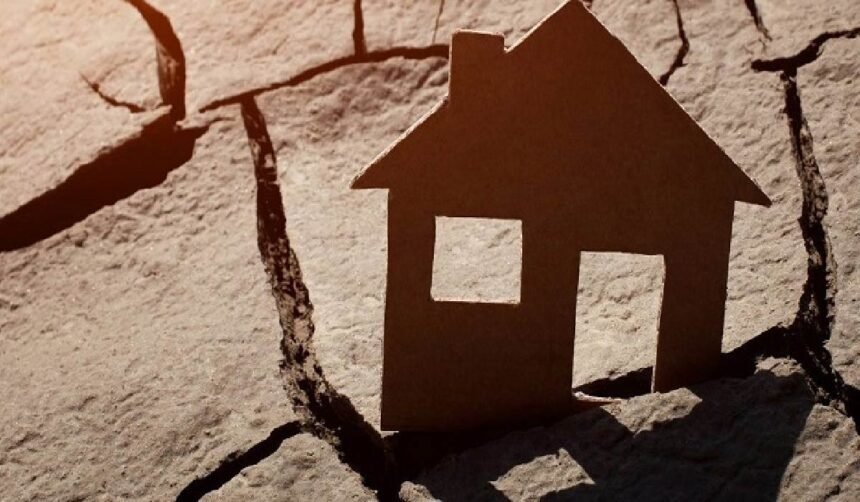
Your home or commercial property is likely one of your most significant investments. Beyond its financial value, it represents safety, comfort, and peace of mind. However, structural damage—whether caused by natural forces, aging materials, or neglect—can quickly compromise your property’s integrity, leading to costly repairs and potential hazards. The good news is that most structural issues can be prevented with proper maintenance, proactive monitoring, and timely action. Here’s a guide to help you protect your investment and maintain the strength and longevity of your building.
Understand the Common Causes of Structural Damage
Before you can prevent structural damage, it’s essential to understand what causes it. Common factors include:
- Water Intrusion: Water is a leading cause of structural damage. Leaks from roofs, plumbing, or poor drainage can seep into foundations, walls, and floors, weakening materials over time and promoting mold growth.
- Soil Movement: Changes in soil moisture, erosion, or improper grading can cause foundations to shift or settle unevenly, leading to cracks in walls and floors.
- Aging Materials: Over time, concrete, wood, and steel naturally degrade. If left unchecked, these materials may fail, resulting in structural instability.
- Pests: Termites, carpenter ants, and other pests can compromise wooden structures, undermining the building’s integrity.
- Extreme Weather: Floods, heavy rainfall, hurricanes, and earthquakes can place immense stress on buildings, causing cracks, warping, or foundation shifts.
Recognizing these causes allows you to take targeted steps to protect your property.
Regular Inspections Are Key
Routine inspections are one of the most effective ways to prevent structural damage. Engage a qualified structural engineer or building inspector at least once a year, or after major weather events. Focus on these areas:
- Foundations: Look for cracks, uneven settling, or signs of moisture intrusion.
- Walls and Ceilings: Watch for cracks, bulges, or sagging that may indicate underlying structural issues.
- Roof and Gutters: Ensure your roof is free of leaks, missing shingles, or water pooling. Clean gutters regularly to prevent water overflow.
- Basements and Crawl Spaces: Check for dampness, mold, or wood decay, which can all signal potential structural problems.
Early detection allows for timely repairs before small problems escalate into expensive damage.
Maintain Proper Drainage
Proper water management is essential to prevent structural damage, especially in Salt Lake City, where seasonal storms and snowmelt can lead to water intrusion. Make sure your property’s grading directs water away from the foundation to avoid pooling. Keep gutters and downspouts in good condition, ensuring they channel water several feet from the building. In areas prone to flooding or heavy runoff, consider installing French drains or sump pumps. Regularly inspect and clean all drainage systems to prevent clogs that could threaten your foundation and cause costly water damage.
Address Pests Promptly
Termites and other wood-destroying insects can silently weaken structural components. Schedule annual pest inspections and treat infestations immediately. Consider preventive measures, such as treating soil around the foundation and using treated wood for construction. Early intervention can save you significant repair costs down the line.
Monitor and Maintain Structural Elements
Keeping your building structurally sound also means maintaining its core elements:
- Roofing: Replace damaged shingles or tiles promptly and ensure flashing and seals are intact.
- Foundation: Seal cracks as soon as they appear and consult a professional if you notice shifting or uneven settling.
- Wooden Structures: Regularly inspect beams, joists, and flooring for rot, warping, or pest damage.
- Concrete and Masonry: Look for cracks or spalling and repair promptly to prevent further deterioration.
Be Proactive About Repairs
Ignoring minor damage often leads to major problems. Even small cracks, leaks, or signs of wear can indicate deeper issues. Engage professionals to assess and repair damage as soon as it’s detected. This proactive approach preserves your property’s value and ensures the safety of its occupants.
Invest in Preventive Measures
Beyond inspections and maintenance, certain preventive measures can further protect your investment:
- Install waterproofing systems in basements and foundations.
- Reinforce structural elements in areas prone to earthquakes or high winds.
- Use corrosion-resistant materials in environments exposed to moisture or chemicals.
- Implement a landscaping plan that prevents water from pooling near the foundation.
In Conclusion
Preventing structural damage is not just about avoiding costly repairs—it’s about safeguarding your investment, ensuring safety, and maintaining the long-term value of your property. By understanding common causes, performing regular inspections, maintaining proper drainage, addressing pests, and acting promptly on repairs, you can protect your building from serious damage. A proactive approach today saves you money, stress, and potential hazards tomorrow. Treat your property as the valuable investment it is, and it will continue to serve you safely and efficiently for years to come.