



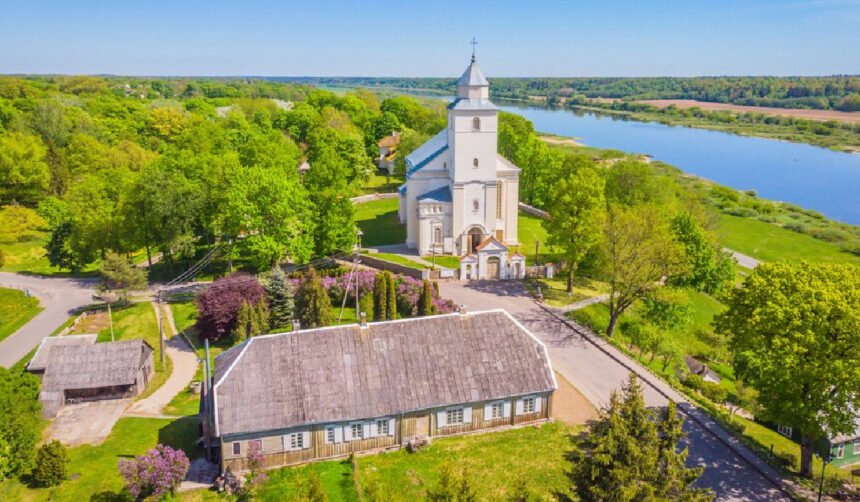
In a modern world where the noise of digital life grows louder by the second, a quiet voice from the past calls us back to something simpler, purer, and more enduring — Sodziu. Rooted in the Lithuanian landscape and language, Sodziu is more than just a village or a dot on the map. It is a philosophy of life, a cultural backbone, and an emotional compass. This word carries within it centuries of tradition, community, craftsmanship, resilience, and reflection.
Whether you encounter Sodziu as a rural homestead nestled among forested plains or as a subtle phrase whispered at the end of a conversation, it represents a longing to reconnect with what truly matters. In this detailed guide, we’ll explore the full meaning of Sodziu — its origins, lifestyle, linguistic beauty, culinary heritage, and why it’s making a powerful comeback in a world desperately in need of roots.
Sodziu as a Place — A Way of Living Rooted in Lithuania’s Heartland
The word Sodziu, derived from sodžius in Lithuanian, refers to a village or rural homestead — but in cultural terms, it is so much more. These traditional settlements are not just locations; they are living expressions of a worldview deeply tied to land, seasons, and shared humanity. Sodzius are common across rural Lithuania and typically consist of a few wooden houses, barns, gardens, and fields, all nestled in serene natural surroundings. But the real soul of a sod ziu lies in its people — those who live not just off the land, but with it
. Every sodziu has its own rhythm, dictated by planting and harvest cycles, seasonal festivals, and community rituals. The lifestyle is slower, the values deeper, and the connection to both past and future more vivid. These homesteads are places where grandparents teach wisdom under old trees, where bread is still baked in wood-fired ovens, and where each member of the village is part of an unspoken agreement to support one another.
Cultural and Historical Significance of Sod ziu in Lithuanian Heritage
For generations, Sodziu has been the cultural heartbeat of Lithuania. Before cities expanded and modern life accelerated, it was the sod zius that shaped daily life, anchored family ties, and safeguarded traditions. The roots of sod ziu culture are deeply intertwined with Lithuania’s pagan heritage, where seasonal rituals like Joninės (Midsummer Night) celebrated the sun, fire, and fertility of the land
. With the arrival of Christianity, these practices evolved rather than disappeared, resulting in a unique blend of faiths where sacred groves stood beside wooden crosses. During the Soviet era, sodziu life was deeply disrupted by forced collectivization, industrial agriculture, and the mass migration of rural populations to cities. Yet despite these changes, the idea of sod ziu — as a physical space and a cultural ideal — endured. It remained a symbol of resistance, memory, and continuity. Today, in a post-Soviet and increasingly globalized Lithuania, sod ziu is being re-embraced as a powerful link to national identity, offering comfort, clarity, and cultural pride in uncertain times.
The Everyday Beauty of Sod ziu Traditions
Life in a sodziu is steeped in tradition, with every detail — from architecture to customs — reflecting a timeless way of being. The homes are often built from locally sourced timber, with thatched or shingled roofs, hand-carved shutters, and gardens blooming with herbs, wildflowers, and vegetables. The structures are not merely functional; they are artistic reflections of the people who built them. Inside, simple interiors are filled with handwoven linens, embroidered tablecloths, and sturdy wooden furniture passed down through generations.
These villages are also rich in culinary wisdom: families still ferment vegetables, preserve berries, bake rye bread, and make their own cheese or honey mead. Sod ziu life is a masterclass in sustainability — everything has a use, waste is minimal, and seasonal rhythms guide consumption. Evenings are often spent telling stories, singing folk songs, or crafting — a tradition that keeps memory alive. Children grow up not only with grandparents but with the land itself as a teacher, learning patience, humility, and gratitude from the world around them.
Sodziu as a Word — The Linguistic Magic
Curiously, Sodziu also holds a second, deeply poetic meaning in the Lithuanian language. Beyond being a noun for “village,” it functions as a conversational tool — a word used to express emotion, hesitation, summary, or resignation. Comparable to English phrases like “well…” or “so…”, the Lithuanian sod žiu carries a level of soulfulness that’s hard to translate. It’s often spoken at the end of a thought, conveying everything from a philosophical shrug to a heartfelt conclusion.
For instance: “We did all we could… sodziu.” Or “It didn’t work out… sod ziu.” It softens endings and allows the speaker to express uncertainty or acceptance without further explanation. Today, especially online, this usage of Sod ziu has become a meme, a digital wink that encapsulates emotional complexity in a single breath. It is intimate, relatable, and uniquely Lithuanian — a beautiful reminder that even a single word can carry generations of meaning.
Sodziu Cuisine — A Hidden Culinary Heritage
If you truly want to taste Sodziu, you must go beyond recipes and embrace the spirit of the kitchen. Sod ziu cuisine is not about fancy plating or imported ingredients; it’s about nourishment, rootedness, and resourcefulness. Cooking methods like slow-simmering, clay-pot baking, open-fire grilling, and fermentation are passed down through generations. Traditional dishes include koldūnai (dumplings filled with mushrooms or meat), hearty stews using root vegetables, and pickled delicacies made with wild herbs and forest berries
. The sour rye bread baked in wood-fired ovens, sometimes with caraway seeds, is a staple that defines the table. Honey, garlic, wild mushrooms, and fermented dairy products enrich the flavor palette. But sodziu food is also medicinal — garlic for immunity, fermented cabbage for gut health, and herbal teas for calming the spirit. This culinary heritage represents the ultimate in farm-to-table dining, long before it became trendy, and speaks to a sustainable, mindful relationship between people and their ecosystem.
Sodziu in Modern Lithuania and the World
In the 21st century, Sodziu is not fading into history — it’s experiencing a powerful revival. Many young families and digital nomads are leaving urban centers in search of a slower, more intentional life. Thanks to remote work and eco-conscious living, Lithuania’s rural spaces are being rediscovered as havens of peace, productivity, and well-being. Abandoned farmhouses are being restored into eco-homes; old traditions are blending with new technologies.
Tourists are increasingly drawn to sodzius for immersive retreats — guesthouses offer local food, folklore storytelling, and hands-on experiences in pottery, weaving, or farming. Cultural festivals celebrate ancient rites, while digital platforms share sod ziu art and photography with global audiences. In this way, sod ziu becomes more than a local legacy — it transforms into a model for global culture: one that values slowness, sustainability, and the beauty of imperfection.
Global Relevance — What the World Can Learn from Sodziu
The principles behind Sodziu offer profound lessons for today’s world. At its core, sodziu teaches us to live with what we have, to value community over consumption, and to find joy in simplicity. Its emphasis on seasonal, local food reduces environmental impact. Its handmade lifestyle rejects fast fashion and throwaway culture. Its multigenerational bonds combat loneliness and isolation.
In a time of ecological crises, mental health epidemics, and digital fatigue, the sodziu mindset provides a healing antidote. By looking to sod ziu, societies everywhere can rediscover how to live in harmony with the Earth — not by retreating from the modern world, but by remembering how to walk through it with intention. Sod ziu is not a return to the past; it is a return to balance.
How to Embrace the Sodziu Spirit (Anywhere You Live)
You don’t have to live in Lithuania to bring Sodziu into your life. You can start by growing herbs on a balcony, learning a traditional craft, or cooking seasonal food from scratch. Create rituals around your meals. Tell stories instead of scrolling. Walk instead of rushing. Make things with your hands. Embrace quiet. Unplug for a few hours each day and reconnect with the rhythms of nature — even in small ways. Invite neighbors over. Share meals. Listen to older people. Say “Sod ziu…” when you don’t have the perfect words. It’s these tiny gestures that breathe life into the spirit of sodziu. At its heart, sod ziu is not a place you visit — it’s a way you choose to live.
Conclusion
Sodziu is more than an old Lithuanian word or a postcard-perfect village. It is a reminder — quiet yet powerful — of what it means to live in harmony: with ourselves, with others, and with the Earth. In every carved doorway, every spoonful of homemade stew, every firelit evening of storytelling, sod ziu lives on. It urges us to remember that in a world spinning faster by the day, we still have the power to slow down, to connect, to care. So whether you walk the winding roads of an actual sod ziu or carry its lessons in your heart, you’re part of a story that continues to unfold — slowly, soulfully, and beautifully. Sodziu.
FAQs About Sodziu
What does “Sodziu” mean in Lithuanian?
Sodziu is a Lithuanian word that means “village” or “rural homestead.” It also has a second meaning — it’s used in conversation like “in a word” or “to sum it up.” It shows deep cultural and emotional meaning in everyday speech.
Why is Sodziu important in Lithuanian culture?
Sodziu is important because it represents the heart of traditional Lithuanian life. It stands for simple living, nature, family, and strong community bonds. For centuries, Sodziu villages have preserved farming traditions, folklore, and local crafts.
How do people live in a Sodziu?
People in a Sodziu live close to nature. They grow their own food, share with neighbors, celebrate seasonal festivals, and keep old traditions alive. Life in a Sodziu is peaceful, sustainable, and deeply connected to the land.
Is Sodziu still relevant in modern times?
Yes, Sodziu is very relevant today. Many people are choosing to move back to villages for a slower, healthier lifestyle. Sodziu offers eco-living, remote work options, and a way to live with less stress and more meaning.
Can I visit or experience a real Sodziu?
Yes, you can visit many Sod zius in Lithuania. Some offer farm stays, guesthouses, and cultural retreats where you can enjoy local food, learn crafts, and explore village life. It’s a great way to experience real Lithuanian heritage.
Also, Visit Our Site For More Four Magazine