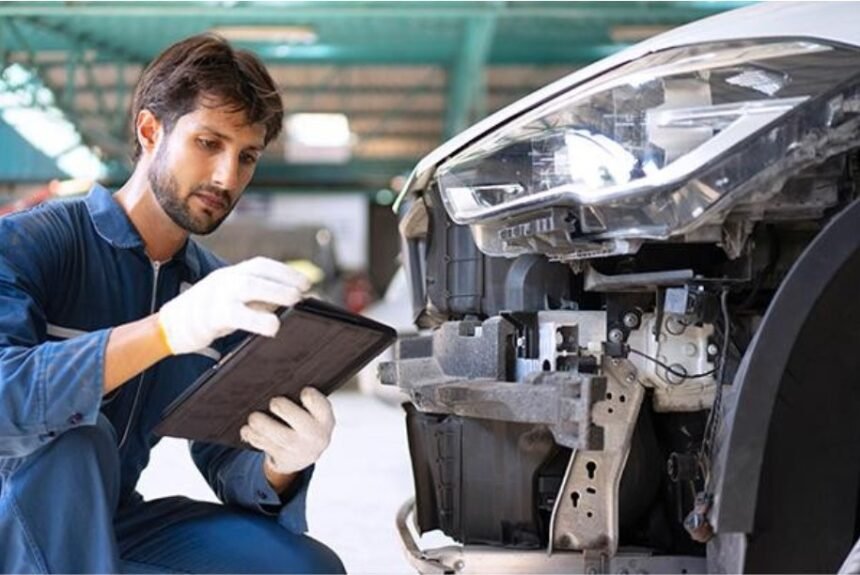
Body shops face a lot of pressure from multiple directions. Customer expectations for rapid turnaround times continue to increase while insurance companies demand more detailed documentation and apt estimates. Finding skilled technicians has become increasingly difficult, and every day a damaged vehicle remains in the facility represents lost revenue potential.
Most shops continue using traditional intake methods – technicians walk around vehicles with clipboards, documenting visible damage and capturing photos before writing estimates based on experience. This approach functions well but also creates significant bottlenecks throughout repair workflows.
The main problem emerges when different inspectors evaluate identical damage and reach vastly different conclusions. Two experienced technicians examining the same scratch might document it as “minor surface damage” versus “requiring immediate repair attention.” This inconsistency complicates insurance relationships and delays approval processes.
Manual procedures also suffer from human limitations. During peak periods, rushed inspections miss important damage. Poor lighting conditions, weather factors, or inspector fatigue contribute to oversight errors that create expensive complications later in the repair process.
Operational Challenges in Body Shops
Contemporary body shops come across several recurring operational difficulties that manual processes cannot completely address.
Manual intake procedures consume a lot of time while producing inconsistent documentation quality. Thorough vehicle inspections can require 45 minutes or more, representing significant labor costs when multiplied across weekly vehicle volumes. Documentation quality depends entirely on individual inspector capabilities, with newer employees frequently missing damage that experienced staff would identify immediately.
Customer communication suffers when damage documentation lacks clarity or consistency. Vehicle owners want to understand what requires repair and why specific costs are necessary. Unclear documentation makes explaining repair requirements difficult and can damage customer relationships.
Extended cycle times impact both revenue generation and customer satisfaction. Vehicles awaiting estimates or insurance approvals occupy valuable facility space without generating income. Prolonged repair timelines deteriorate customer relationships and often result in negative reviews that affect future business prospects.
Staffing shortages compound these operational challenges. Skilled automotive technicians are increasingly scarce and expensive to train properly. Facilities depending entirely on manual processes require larger staff numbers to handle equivalent workloads compared to those using automated tools.
Understanding Automated Vehicle Inspection Technology
AI-powered vehicle inspections employ artificial intelligence and computer vision technologies to examine vehicles through high-resolution imagery or video capture. Rather than depending solely on human visual assessment, these systems apply consistent algorithmic processes to identify, categorize, and document various damage types.
The technology analyzes visual data to detect dents, scratches, cracks, paint damage, missing components, and structural issues that affect repair requirements. Advanced algorithms study color variations, surface textures, and geometric patterns to help identify the different damage categories that need specific repair approaches at this time.
Operational Benefits of Automated Inspection Systems
Enhanced Processing Speed
Automated systems capture and document in-detail vehicle condition data within minutes compared to the 30-45 minutes typically required for manual inspections. This speed improvement helps to allow facilities to handle significantly and importantly higher vehicle volumes without growing intake staffing or extending customer wait times during peak periods.
Rapid documentation also fastens vehicle triage and technician assignment processes. Shop managers can immediately assess which vehicles need urgent attention versus those needing routine repairs, optimizing workflow scheduling and resource allocation for the maximum operational efficiency that is needed.
Consistent Estimate Standards
AI systems automatically connect to identify damage with appropriate labor codes, parts specifications, and cost databases. This makes sure of the estimated consistency while also reducing manual research time typically required for complex repairs. Every estimate follows identical standards regardless of which technician conducts the initial assessment.
Standardization improves repair planning transparency and strengthens insurance company relationships. When adjusters get consistently formatted estimates with detailed damage documentation, claim approval processes proceed significantly faster than traditional methods allow.
Enhanced Customer Relations
Customers receive clear visual reports explaining repair requirements and understanding specific work recommendations.This transparency helps to build trust while also reducing billing problems that can damage long-term relationships. Vehicle owners appreciate understanding what work will be performed and how repair decisions are determined and decided.
Visual documentation also assists customers in communicating effectively with their insurance companies regarding necessary repairs. When all parties reference identical detailed damage assessments, misunderstandings become substantially less frequent throughout the repair process.
Workflow Integration Considerations
Automated vehicle inspections integrate effectively into existing facility workflows while improving accuracy and efficiency at critical operational touchpoints.
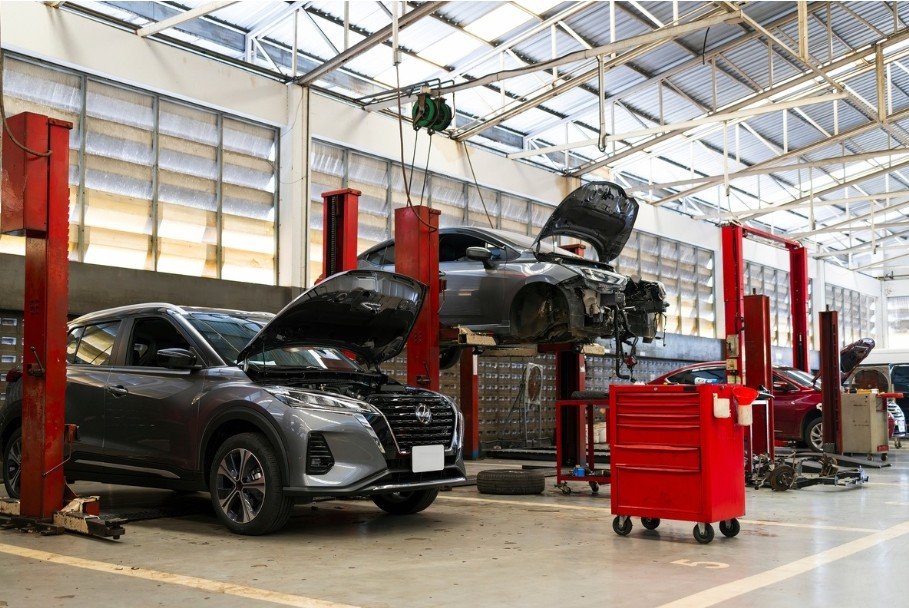
Insurance approval workflows become streamlined when automated damage data and cost mapping integrate directly with claims processing systems. Adjusters receive comprehensive information packages supporting rapid decision-making without requiring additional documentation requests.
Final delivery procedures make sure work completion verification and provide detailed warranty documentation. Comparative analysis between initial damage assessments and final condition reports gives us clear evidence of repair quality and thoroughness.
Multi-Location Operation Advantages
Repair networks operating multiple facilities gain particular benefits from automated inspection systems that make sure of consistent service standards across all locations regardless of geographic distribution or local staffing variations.
Scalable technology solutions accommodate business expansion without requiring proportional increases in management oversight or quality control resources. Automated systems provide consistency and efficiency necessary to support growth while maintaining service quality standards.
Corporate analytics identify best practices at high-performing locations for implementation across entire networks. Knowledge sharing accelerates improvement initiatives and drives operational excellence throughout organizations.
Conclusion
Contemporary repair environments demand efficiency levels that the traditional manual processes cannot deliver consistently for a long time. Automated vehicle inspections provide facilities with technological capabilities necessary to meet evolving customer expectations while maintaining profitable operations in increasingly competitive markets.
Artificial intelligence brings speed, accuracy, and consistency to every repair process stage. These improvements benefit repair facilities, insurance companies, and customers through reduced delays, enhanced communication, and assured quality standards.
The technology represents strategic investment in future competitiveness rather than merely operational efficiency improvements. Facilities embracing automation position themselves to handle growing repair volumes while delivering superior customer experiences that generate repeat business and referrals.