




In an era where access to space is a prerequisite for national sovereignty, control over launch capabilities has become more critical than ever. Amid a high-stakes geopolitical situation, a Ukrainian hard tech entrepreneur, Max Polyakov, is quietly reshaping the industry with a calculated strategy and targeted investments.
One such investment, in the Scottish orbital rocket company Skyrora, flew largely under the radar of most media outlets. However, Polyakov’s move is a signal the industry should not ignore, since it marks a pivotal moment in the European space sector and underscores what it truly takes to build a sustainable, independent, and competitive launch ecosystem.
Not Just Another Hype Investor
Max Polyakov is not merely some deep-pocketed “tourist” chasing a rocket launch photo for a magazine cover. Rather, his approach is meticulous, low-profile, and technically rigorous.
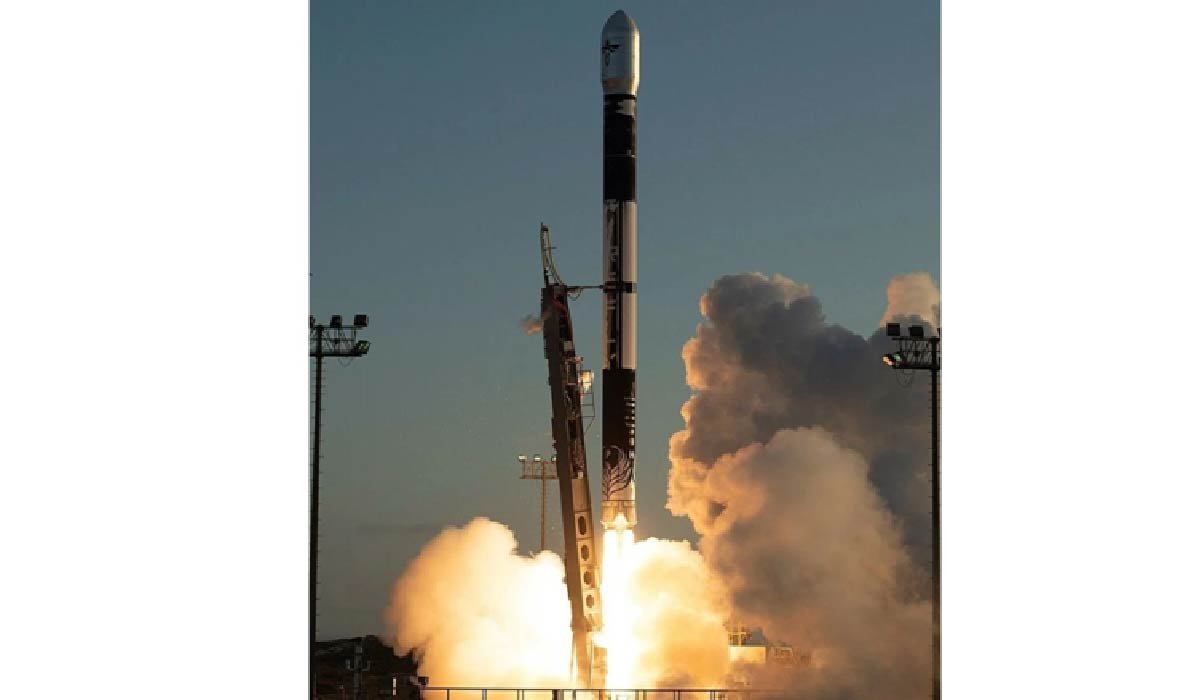
Polyakov first drew attention in 2017 when he acquired Firefly Space Systems, a struggling American aerospace company on the verge of bankruptcy. That deal also went largely unnoticed by the media. But what followed became a case study in aerospace circles: over $200 million invested, a full technological overhaul, and an unwavering commitment to engineering precision with zero tolerance for compromise.
Bringing Results
With Polyakov’s investment, Firefly Aerospace was transformed from a near-dead venture into a trusted NASA contractor. Its lunar lander, Blue Ghost, is now a key part of America’s plans to return to the Moon. Moreover, following its 2025 IPO, which raised $868 million, the company reached a valuation of $8 billion. None of this was driven by buzz or hype: it was strategy and disciplined patience.
Why Skyrora? Why Now?
With Firefly stabilised and thriving, the Ukrainian businessman turned his attention to Europe. His choice was the Glasgow-based Skyrora, a company developing orbital rockets. But this was no random pick.
Skyrora is one of the few UK firms combining proprietary engine production, 3D printing, and eco-friendly fuel. Its propellant, Ecosene, derived from recycled plastic, offers a scalable model of sustainable innovation.
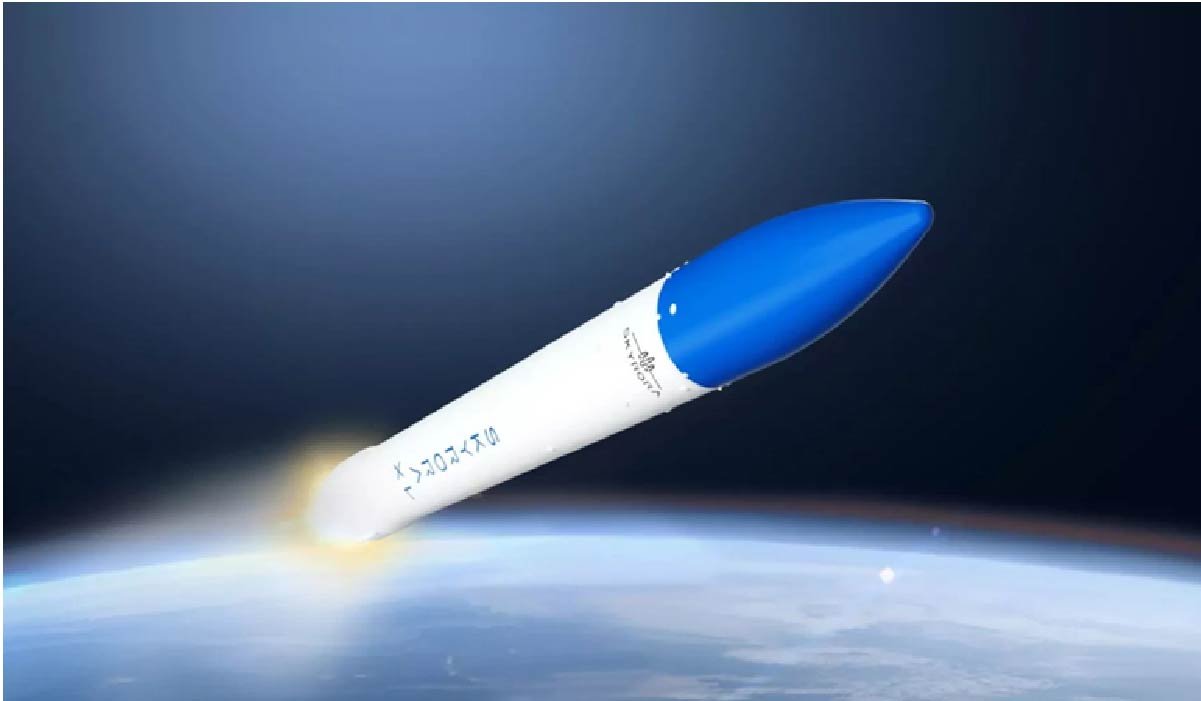
Skyrora also became the first company licensed to launch an orbital rocket from UK soil, a major milestone in Britain’s pursuit of space independence. While some may see a mere business venture, Polyakov sees a geopolitical mission taking shape.
A Philosophy of Investment
Polyakov is an engineer by training, but his investment strategy is guided by philosophy. This philosophy runs deep through his portfolio. For instance, EOS Data Analytics, another of his ventures, uses satellite data to tackle agricultural challenges and assess environmental risks. Max Polyakov firmly believes space tech should serve Earth and global progress, and not merely serve as an escapist playground.
His investment in Skyrora reflects that belief and serves as a push to develop independent European launch capabilities and to reduce reliance on foreign suppliers. It is a statement that aerospace and sustainability can, and must, coexist.
Thinking Bigger
One rocket company may launch missions and these missions build the future itself. As space becomes central to global security, climate monitoring, and secure communications, launch control is now a core strategic priority. Britain understands this. So does the EU. And so does the Ukrainian owner of Skyrora.
The UK has the regulatory tools, scientific base, and talent. However, it has often lacked patient, large-scale capital: the kind that builds engines. But that is exactly what Max Polyakov brings to the table, along with a proven hard tech scaling strategy that only a handful in the world truly master.
What’s Next?
The details of the Skyrora deal remain confidential, but the intent is clear: to accelerate testing, scale up production, and achieve regular launches – and to do it in a way that strengthens the UK’s position in the space economy without mimicking Silicon Valley’s hype culture.
This is a path rooted in sustainability, engineering, and long-term vision. In an industry where marketing too often masquerades as progress, this might be the kind of strategy Europe needs most.