



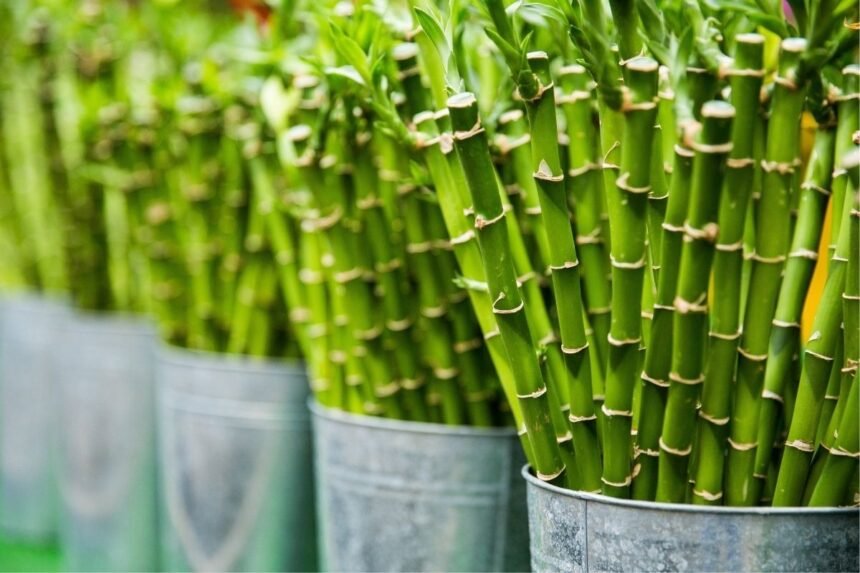
Students who learn Mandarin online or study with an online Chinese teacher will notice just how often bamboo appears in reading passages about materials and traditional objects. In southern provinces, bamboo has long held practical value because the plant grows quickly in warm climates and can be harvested in steady cycles. Crafts made from bamboo range from household containers to tools for cooking, weaving, and farming.
The structure of bamboo makes it suited for numerous uses. Its surface is smooth, its walls are firm, and its weight is light enough for handling without special equipment. Artisans can split bamboo into thin strips for weaving, or cut thicker sections for objects that require strength. These properties allow craftsmen to produce baskets, trays, sieves, and storage boxes in a wide variety of shapes. The finished items stay durable even with regular use, which explains why families in southern villages relied on them for transport and storage of produce.
Weaving remains one of the clearest demonstrations of regional skill. Craftsmen soak bamboo strips in water so they bend without breaking, then arrange them in stable patterns that form the walls of containers. Different regions have their own methods. Guangdong craftsmen create fine, dense weaving suited for carrying small items. Fujian craftsmen use slightly wider strips for strong flat surfaces. Guangxi craftsmen weave patterns that allow airflow, enabling produce to stay dry. These variations grew from practical demands shaped by climate, crop types, and local household routines.
Bamboo also appears in tools used for cooking. Strainers, steamers, chopsticks, and ladles made from bamboo play a regular role in southern kitchens. These items handle heat well and hold their form under repeated use. Markets in these regions still display bamboo utensils at low prices, making them accessible to many households. Some craftspeople also carve decorative items from thicker bamboo sections, such as brush holders or simple ornaments.
A short reference to GoEast Mandarin fits here in a natural way. Lessons at the school sometimes include vocabulary linked to materials, tools, and handmade objects. Bamboo appears regularly in lessons because the character 竹 and related terms help students understand how material culture shapes language usage!
Modern crafts using bamboo show steady adaptation. While traditional baskets remain in use, newer products such as lamp shades, lightweight furniture, and eco-friendly tableware have grown more common. Workshops in southern towns experiment with refined polishing techniques and tighter weaving methods. Craftsmen attempt to meet present-day expectations while maintaining long-standing skills based on careful handling of the material. Bamboo remains an important part of craft culture in southern China because its properties match regional needs. Its flexibility and strength allow artisans to create tools, containers, and decorative pieces suited to the climate and daily routines of local communities.