



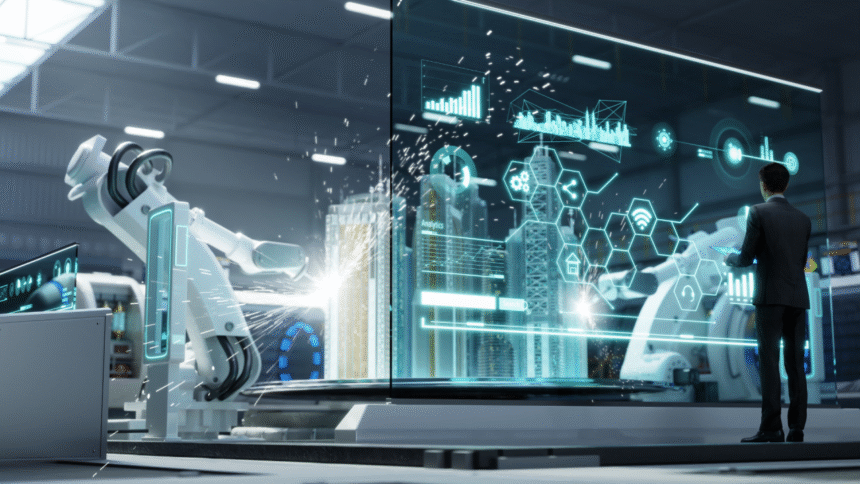
As the global demand for energy continues to grow, so does the need for smarter, more efficient ways to manage it. From homes and offices to industrial facilities and entire cities, technology and innovation are transforming how we produce, monitor, and use energy.
In 2026 and beyond, energy management is no longer just about turning off lights or reducing consumption — it’s about harnessing data, automation, and clean technologies to create systems that are intelligent, resilient, and sustainable. These advancements not only help reduce costs but also support global efforts to combat climate change and build a cleaner future.
Let’s explore how modern technology is reshaping energy management and empowering both consumers and businesses to take cont
1. The Digital Transformation of Energy Management
The energy sector is undergoing a digital revolution. Technologies like smart meters, Internet of Things (IoT) devices, and artificial intelligence (AI) are redefining how energy is monitored and distributed.
Smart meters, for example, provide real-time data about electricity usage. Instead of receiving a monthly bill based on estimates, consumers can see exactly when and how they use energy. This visibility encourages more mindful consumption while allowing utilities to detect inefficiencies and outages faster.
Meanwhile, IoT-connected devices — such as thermostats, lighting systems, and appliances — allow for automatic adjustments based on occupancy, weather, or time of day. The result? Energy systems that are dynamic, responsive, and far more efficient than ever before.
2. Data Analytics and Artificial Intelligence
One of the biggest breakthroughs in modern energy management is the integration of data analytics and AI. These tools help both individuals and organizations identify trends, predict consumption patterns, and uncover hidden inefficiencies.
AI-powered platforms can analyze vast amounts of energy data in seconds, suggesting specific actions to reduce waste. For instance, an AI system might recommend adjusting HVAC schedules or upgrading equipment that consumes excess power during peak hours.
In industrial settings, machine learning models predict when machinery is likely to fail, enabling preventive maintenance that reduces downtime and energy loss. This data-driven approach allows companies to make smarter, faster decisions that improve both sustainability and profitability.
3. Smart Grids: The Backbone of Modern Energy Systems
Traditional energy grids were designed for one-way electricity flow — from power plants to consumers. Modern smart grids, however, enable two-way communication, allowing users to both consume and generate electricity.
Smart grids integrate renewable energy sources, distributed energy storage, and advanced sensors to balance supply and demand more efficiently. For example, if a neighborhood’s solar panels produce excess power during the day, the grid can redistribute that energy where it’s needed most.
This level of coordination minimizes waste, enhances reliability, and makes the entire energy network more resilient to outages and fluctuations.
4. Renewable Energy Integration
Technology is also playing a crucial role in the expansion of renewable energy. Solar panels, wind turbines, and hydroelectric systems are becoming more affordable and efficient thanks to innovations in materials and design.
Advanced energy storage technologies, like lithium-ion and solid-state batteries, ensure that power from renewables can be stored and used even when the sun isn’t shining or the wind isn’t blowing. These advancements make renewable energy more dependable and easier to integrate into existing power systems.
Many businesses are investing in microgrids — localized energy networks that can operate independently from the main grid. Microgrids combine renewable energy sources and storage systems to provide stable, self-sufficient power for campuses, hospitals, and remote communities.
5. Smart Buildings and Automation
Buildings account for a significant portion of global energy consumption, making them a prime target for energy innovation. Modern smart buildings use integrated systems to monitor and optimize electricity, water, and HVAC usage in real time.
Sensors detect occupancy and adjust lighting, heating, and cooling accordingly. Automated shading systems reduce reliance on artificial lighting, while predictive maintenance ensures that equipment runs efficiently.
For businesses, these technologies not only lower energy costs but also create healthier, more comfortable environments for employees — a win for both sustainability and productivity.
6. Electric Vehicles and Grid Interaction
The rise of electric vehicles (EVs) is another major factor influencing modern energy management. EVs are no longer just consumers of energy — they’re becoming active participants in energy systems through vehicle-to-grid (V2G) technology.
V2G allows EVs to store energy during off-peak hours and feed it back to the grid when demand is high. This helps balance electricity supply, reduce stress on the grid, and even lower costs for consumers who participate in energy-sharing programs.
As more EVs hit the road, their integration with smart grids will play an increasingly vital role in stabilizing and decarbonizing power systems.
7. Energy Management Software for Businesses
Companies of all sizes are adopting energy management software (EMS) to monitor, analyze, and control their consumption across multiple locations. These systems consolidate data from meters, sensors, and utility bills into a single dashboard, giving facility managers actionable insights.
This data-driven visibility also supports assessing your current EPC rating by helping property owners understand how energy performance impacts compliance and long-term savings, a process explored in more detail by Energy Performance Solutions.
By setting performance benchmarks and automating reporting, businesses can identify cost-saving opportunities and track progress toward sustainability goals. EMS platforms also help organizations comply with environmental standards and certifications, which are becoming key differentiators in competitive markets.
In regions where power providers offer competitive pricing — such as those evaluating arlington electricity rates — businesses can use EMS data to choose the most cost-effective plans and negotiate better energy contracts.
8. The Role of Blockchain in Energy Transparency
Blockchain technology is emerging as a tool for transparency and accountability in energy management. By securely recording energy transactions on decentralized ledgers, blockchain enables peer-to-peer energy trading between producers and consumers.
This allows homeowners with solar panels to sell excess power directly to neighbors or businesses without intermediaries. Blockchain also enhances traceability in renewable energy certificates (RECs), ensuring that clean energy claims are accurate and verifiable.
As blockchain adoption grows, it will further democratize the energy market and promote more responsible consumption.
9. Empowering Consumers Through Mobile Apps and AI Assistants
Technology is giving everyday consumers unprecedented control over their energy use. Mobile apps connected to smart meters and home automation systems allow users to track real-time usage, set goals, and receive alerts about unusual consumption.
AI-powered assistants like Google Home or Alexa can adjust devices automatically based on weather forecasts or occupancy — for example, pre-cooling a house before a heatwave or shutting off idle electronics.
These personalized tools empower individuals to make smarter energy decisions effortlessly, turning sustainability into an everyday habit rather than a chore.
10. The Future of Innovation in Energy Management
The future of energy management is one of integration — connecting people, devices, and data into unified systems that continuously learn and improve. Artificial intelligence, predictive analytics, and renewable integration will drive a new era of efficiency and sustainability.
Governments, utilities, and businesses are working together to create more intelligent infrastructure that reduces costs and carbon emissions while improving quality of life. For consumers, this means greater transparency, lower bills, and a more sustainable world.
Final Thoughts
Technology and innovation are redefining the way we think about energy. From smart homes and AI-driven analytics to renewable integration and electric mobility, modern energy management is smarter, cleaner, and more connected than ever before.
As these advancements continue to evolve, they’re not just transforming industries — they’re empowering individuals and communities to make energy choices that are both cost-effective and environmentally responsible.
The path forward is clear: by embracing technology today, we’re building a future where energy is more efficient, affordable, and sustainable for everyone.