



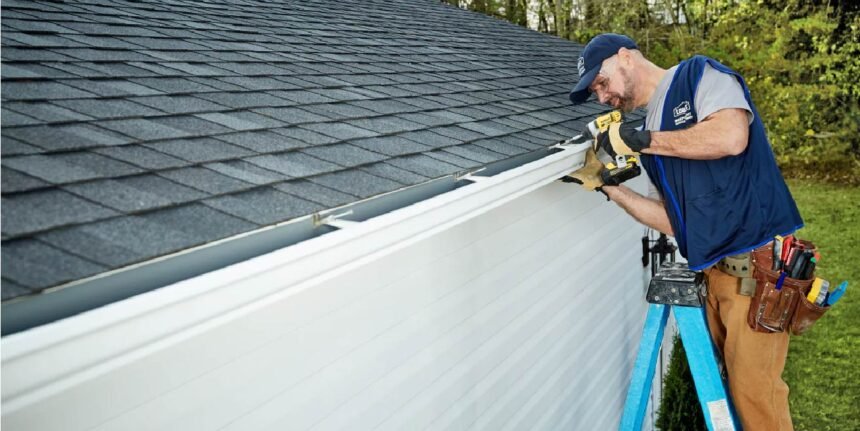
Gutters are one of the most overlooked yet critical components of a building’s exterior. Their primary function—directing rainwater away from the foundation—is essential in protecting structural integrity, preventing erosion, and preserving landscaping. Despite their importance, many property owners delay installing or replacing their gutters until serious damage occurs.
In this comprehensive guide, we’ll walk you through everything you need to know about gutter installation, from the different types of gutters available to the materials you can choose, the benefits of proper drainage systems, the installation process, and key maintenance tips for long-term performance.
Why Gutters Matter
Water may seem harmless, but over time, unchecked rainwater can wreak havoc on your home or building. Gutters channel water from the roof to designated drainage areas, reducing the risk of:
- Foundation cracks
- Basement flooding
- Soil erosion around your home
- Mold and mildew growth
- Damage to siding and exterior paint
- Wood rot in fascia and soffits
Without gutters, rainwater falls directly from the roof’s edge and pools around your home’s base—causing slow but costly damage.
Proper gutter installation ensures that your property is protected during storms and heavy rainfall, keeping moisture away from critical areas.
Types of Gutters
When planning a new gutter system, it’s important to understand the various types of gutters available. The type you choose can affect performance, appearance, and maintenance needs.
1. K-Style Gutters
These are the most common residential gutters. They have a flat back that sits flush against the fascia and a decorative front that resembles crown molding. K-style gutters can carry more water than rounded designs, making them ideal for regions with heavy rainfall.
2. Half-Round Gutters
As the name suggests, these gutters are shaped like a semi-circle. While they may not hold as much water as K-style gutters, they are easier to clean and are often chosen for their classic, elegant appearance—especially on older or historic homes.
3. Box Gutters
Designed for commercial or large residential buildings, box gutters are larger and typically built into the edge of the roof. They can handle a high volume of water and are often used in flat-roofed structures.
4. Custom Fascia Gutters
These are built specifically for each property, combining the function of a fascia board with a gutter system. They provide a sleek, modern look and are often used in high-end architectural designs.
Gutter Materials: Pros and Cons
Choosing the right material is a critical part of gutter installation. Different materials offer unique advantages in terms of cost, durability, and appearance.
● Aluminum
The most popular choice for residential properties. Aluminum gutters are lightweight, rust-resistant, and relatively inexpensive. They’re also available in a wide range of colors and can be painted.
● Copper
An upscale option, copper gutters are long-lasting and visually striking. Over time, they develop a patina, adding character to your home. However, they’re significantly more expensive and may require professional installation.
● Galvanized Steel
These gutters are durable and can withstand harsh weather, but they’re prone to rust if not properly maintained. They’re heavier and more difficult to install than aluminum.
● Vinyl
Vinyl gutters are affordable and easy to install, making them popular with DIY homeowners. However, they may become brittle over time, especially in colder climates, and don’t offer the same durability as metal options.
● Zinc
Zinc gutters are durable and corrosion-resistant. Like copper, they develop a patina over time and require minimal maintenance. Their higher cost makes them more common in luxury or custom homes.
The Gutter Installation Process
Professional gutter installation involves more than just attaching pipes to the roof. It requires proper planning, accurate measurements, and correct alignment to ensure efficient drainage. Here’s a general breakdown of the process:
1. Evaluation and Planning
A professional will assess the roofline, square footage, and local climate conditions to determine the right type and size of gutter system.
2. Measurement and Layout
The contractor will measure the length of each roof edge and map out downspout locations. Proper pitch is critical to ensure water flows toward the downspouts.
3. Material Preparation
Gutters are cut to size, and necessary components like elbows, end caps, and brackets are prepared. Seamless gutters are often manufactured on-site using a gutter-forming machine.
4. Fascia Inspection
Before attaching gutters, the fascia board is inspected for rot or damage. Any compromised sections are replaced to ensure a solid base.
5. Attachment
Using brackets or hangers, the gutters are attached along the roofline. Downspouts are installed vertically to carry water from the gutter to the ground-level drainage system.
6. Testing and Cleanup
The system is tested by pouring water into the gutters to check for proper flow and leaks. The installation area is then cleaned up, and the system is ready for use.
Seamless vs. Sectional Gutters
When considering gutter options, you’ll come across two primary categories: seamless and sectional.
Seamless Gutters
These are custom-made from a single piece of material. Because they have no joints (except at corners and downspouts), they’re less likely to leak and are considered more durable. Seamless gutters require professional fabrication and installation.
Sectional Gutters
Sold in pre-cut lengths, sectional gutters are joined together during installation. While they’re more budget-friendly and easier for DIY projects, the seams can become weak points for leaks and debris accumulation over time.
Additional Features to Consider
During your gutter installation, you may want to include upgrades and accessories to improve performance and reduce maintenance.
● Gutter Guards
These covers prevent leaves, twigs, and debris from clogging the gutter system, reducing the need for frequent cleaning.
● Splash Blocks or Drainage Extensions
These elements direct water away from the base of your property, protecting landscaping and foundation areas.
● Heat Tape or Heating Systems
Ideal for colder climates, heat cables prevent ice dams by keeping gutters and downspouts warm enough to allow free water flow.
● Rain Chains
An aesthetically pleasing alternative to traditional downspouts, rain chains guide water to the ground in a decorative way.
Common Installation Mistakes to Avoid
A poorly installed gutter system can cause more harm than good. Here are some common mistakes and how to avoid them:
- Incorrect Pitch: Gutters must slope slightly toward downspouts to avoid standing water.
- Too Few Downspouts: Without enough exit points, gutters overflow during heavy rain.
- Improper Spacing of Hangers: Hangers too far apart can cause sagging and water pooling.
- Ignoring Local Codes: Not adhering to building regulations can result in penalties or necessary rework.
- Poor Sealant Use: Weak or insufficient sealant can lead to leaks at seams and joints.
To ensure a lasting and effective system, always hire experienced professionals or follow best practices closely for DIY projects.
Maintenance Tips for Long-Term Performance
Even the best-installed gutters require maintenance. Here’s how to keep your system functioning properly year-round:
- Clean your gutters at least twice a year, especially after heavy leaf fall.
- Inspect for clogs or leaks after major storms.
- Check downspouts for blockages and ensure water is flowing away from your foundation.
- Tighten any loose hangers or brackets as needed.
- Replace sealant or caulk at joints that show signs of wear.
Regular maintenance not only prolongs the life of your gutters but also prevents costly water damage repairs.
When to Replace vs. Repair
Sometimes, simple repairs can fix minor issues, while in other cases, a full replacement is the more cost-effective option. Consider replacement when:
- Gutters are visibly sagging or detached
- There is rust, holes, or cracks
- Multiple sections are leaking or corroded
- Water damage is visible around the foundation or fascia
- The system is outdated and no longer meets your property’s needs
Timely action can save you from more extensive (and expensive) damage in the future.
Conclusion
A reliable gutter system is a vital investment for any building. Whether you’re protecting a home, a commercial facility, or an outbuilding, gutter installation ensures that rainwater is safely guided away from vulnerable areas. From choosing the right style and materials to understanding the installation process and committing to regular maintenance, every step plays a role in the long-term protection and value of your property.
While it may not be the most glamorous home improvement project, gutter installation is one of the most practical and cost-effective ways to preserve your structure, landscaping, and peace of mind. If done correctly, it will quietly and effectively do its job for years to come—one rainfall at a time.