When planning an outdoor adventure, selecting the right sleeping bags is essential for ensuring a comfortable and restful night in the wilderness. With a wide variety of sleeping bags available, it is vital to understand the different types and features that cater to specific needs and environments.
Understanding Temperature Ratings
The temperature rating of a sleeping bag is a critical factor to consider. It indicates the lowest temperature at which the bag will keep the average sleeper warm. Adventure enthusiasts should choose a sleeping bag with a temperature rating suitable for the expected camping conditions.
Seasonal Considerations
Sleeping bags are typically categorised by season. Summer sleeping bags are designed for warm temperatures, while three-season bags offer versatility across spring, summer, and autumn. For winter excursions, bags equipped to handle lower temperatures are essential.
Types of Sleeping Bags
Different shapes and constructions of sleeping bags cater to varied comfort needs and sleeping habits. Three main types dominate the market: rectangular, mummy, and semi-rectangular.
Rectangular Sleeping Bags
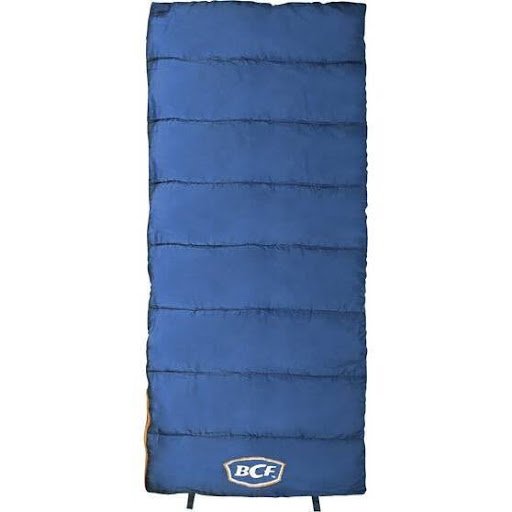
Rectangular sleeping bags provide ample space, making them ideal for those who prefer freedom of movement while sleeping. However, they may not offer the same level of warmth retention as other designs.
Mummy Sleeping Bags
Mummy-shaped sleeping bags are designed to reduce unnecessary space, providing greater warmth and efficiency in colder climates. They are snug and cocoon-like, minimising heat loss.
Semi-rectangular Sleeping Bags
The semi-rectangular option blends the benefits of both the rectangular and mummy designs, offering warmth while allowing some additional room.
Materials and Fillings
Materials and fillings in sleeping bags significantly impact the level of comfort and insulation they provide. Common materials include synthetic fibres and down.
Synthetic Fillings
Synthetic sleeping bags are usually more affordable and are resistant to moisture, providing warmth even when wet. These are ideal for wet and humid environments.
Down Fillings
Down sleeping bags offer superior warmth-to-weight ratios and compressibility, making them excellent choices for backpackers. However, they tend to be more expensive and less effective in damp conditions if not properly cared for.
Additional Features to Consider
When selecting a sleeping bag, consider additional features such as hoods, zippers, and draft tubes that can enhance warmth and comfort.
Hoods
Many sleeping bags come with built-in hoods, which offer additional warmth by insulating the head, reducing heat loss.
Zippers
Well-designed zippers that do not snag can improve the usability of the sleeping bag. Some models offer two-way zippers for controlled ventilation.
Draft Tubes
Draft tubes along the zipper prevent cold air from seeping through, ensuring better insulation.
Choosing the Right Size
Sleeping bags come in different sizes to accommodate various heights. It is crucial to select a model that suits your height to avoid excess weight and space, ensuring efficient heat retention.
Packing and Maintenance Tips
Properly packing and maintaining a sleeping bag extends its lifespan. Always store it loose rather than compressed when not in use, to preserve the integrity of the filling.
Packing Techniques
Use a stuff sack to roll and pack the sleeping bag efficiently, saving room in your backpack without compromising the material’s loft.
Cleaning and Maintenance
Follow the manufacturer’s cleaning instructions, which typically recommend gentle washing and air drying. Avoid using a dryer as heat can damage the filling.
Conclusion
Choosing the right sleeping bag is critical for a successful outdoor adventure. By considering the types, temperature ratings, materials, and additional features, adventurers can find the perfect sleeping bag tailored to their specific needs and environments. For a comprehensive selection of sleeping bags, visit BCF’s camping section.