



Large cities like London are full of activity. Offices, flats, shops, transport hubs, and public venues all operate close together and often around the clock. This density brings many benefits, but it also increases the risk of fire. When buildings are busy and spaces are shared, a small fault can affect many people very quickly.
Fires in cities often spread faster because of connected buildings, shared walls, and high occupancy levels. Electrical systems work harder, cooking equipment is used more often, and storage areas are under constant pressure. These everyday conditions make routine safety checks an essential part of reducing fire risks in urban environments.
What Are Routine Safety Checks?
Routine safety checks are regular inspections and assessments designed to identify potential fire hazards before they become serious problems. They focus on prevention rather than reaction. In London, where many buildings are older and have been adapted for modern use, these checks help ensure that safety standards keep pace with changing demands.
Checking the Condition of Buildings
Many London properties were built decades, or even centuries, ago. Over time, wiring, insulation, and structural materials can degrade. Routine checks help identify wear and tear that could increase the chance of a fire, such as damaged cables or blocked ventilation routes.
Monitoring Everyday Activities
Fire risks often come from normal daily behaviour. Using electrical appliances, cooking food, and storing materials all carry some level of risk. Safety checks review how spaces are used and whether current practices remain safe as occupancy and usage patterns change.
Why Routine Checks Matter More in London
London’s size and complexity make fire safety particularly important. Millions of people live and work in close proximity, and many buildings serve multiple purposes. A single property might contain homes, offices, and retail spaces under one roof.
High Population Density
In busy parts of London, a fire can affect not just one building but an entire street or block. Routine checks reduce the likelihood of incidents that could disrupt communities and put lives at risk.
Mixed-Use Buildings
Mixed-use buildings are common across the city. These spaces often combine residential living with commercial activity, creating unique fire risks. Regular inspections help ensure that safety measures suit all occupants, not just one type of use.
The Role of Equipment Inspections
Fire safety equipment is only effective if it works properly when needed. Routine checks ensure that essential tools are available, accessible, and in good condition.
Keeping Fire Extinguishers Ready
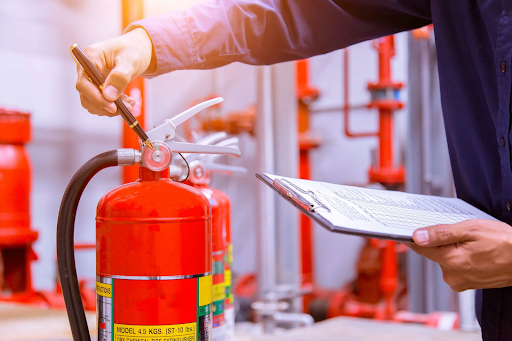
Fire extinguishers are often the first line of defence in a small fire. Regular inspection and maintenance, such as Fire extinguisher servicing London, help ensure they function correctly and are suitable for the risks present in a specific building. In a fast-moving city environment, there may be no second chance if equipment fails.
Ensuring Alarm Systems Work Properly
Fire alarms provide early warning, which is critical in busy buildings. Routine checks confirm that alarms activate as expected and can be heard throughout the property, even during peak noise levels common in urban settings.
Supporting Legal and Safety Responsibilities
Routine safety checks also help property owners and managers meet their legal duties. In the UK, fire safety regulations place responsibility on those in control of premises to manage fire risks appropriately.
Guidance from official bodies such as the UK government explains how regular assessments and maintenance contribute to safer buildings and reduced risk. Information on fire safety responsibilities can be found through official resources like the UK government’s fire safety guidance, which outlines clear expectations for risk management and prevention.
Protecting Occupants and Visitors
Beyond legal compliance, routine checks are about protecting people. In London, buildings welcome residents, workers, tourists, and commuters every day. Fire safety measures need to account for people who may be unfamiliar with the layout or emergency procedures.
Reducing Disruption and Damage
Even a small fire can cause major disruption in a city. Businesses may be forced to close, transport routes can be affected, and residents may need temporary accommodation. Routine checks lower the chance of incidents that lead to costly and stressful outcomes.
Adapting to Change in Urban Environments
Cities are constantly changing, and London is no exception. Buildings are refurbished, repurposed, and extended to meet new needs. Routine safety checks help ensure that fire risk management keeps up with these changes.
Responding to Renovations and Upgrades
When a building is altered, fire risks can change. New layouts may affect escape routes, while new equipment may place extra demands on electrical systems. Regular checks help identify and address these issues early.
Managing Increased Demand
As London continues to grow, many buildings experience higher occupancy than originally intended. Routine checks help assess whether existing fire safety measures remain adequate for the number of people using the space.
Building a Culture of Fire Awareness
Routine safety checks do more than identify faults. They encourage a wider awareness of fire risks and responsibilities among building users.
Encouraging Responsible Behaviour
When safety checks are carried out regularly, they reinforce the importance of fire safety in everyday activities. People become more aware of potential hazards and are more likely to act responsibly.
Supporting Clear Emergency Planning
Regular reviews of fire safety arrangements help ensure that emergency plans remain clear and practical. In busy London buildings, clear procedures can make the difference between confusion and calm during an incident.
Long-Term Benefits for a Safer City
Routine safety checks are a quiet but powerful tool in reducing fire risks across London. They help prevent incidents, protect lives, and support the smooth running of a complex urban environment. By identifying problems early, ensuring equipment is ready, and adapting to change, these checks play a vital role in keeping the city safe. Fire safety is not a one‑time task but an ongoing responsibility that reflects the pace and pressure of city life. For further insight into related safety considerations, you may find it helpful to read this related article on fire risk awareness published on Fourmagazine.co.uk: Why Fire Safety Measures Matter in Property Management.