


Introduction
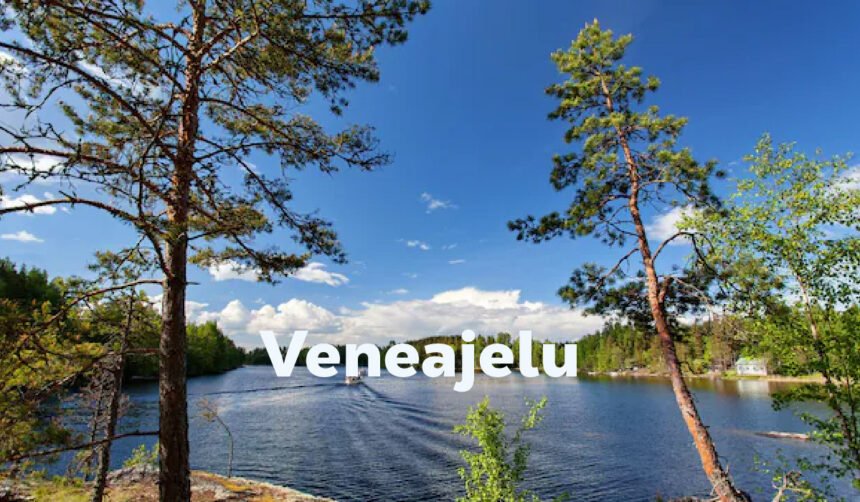
Imagine drifting gently across a sunlit lake, the only sound being the soft ripple of water against your boat, and the occasional cry of a seabird in the distance. The breeze is light, the air fresh, and time seems to slow down. This serene experience captures the very essence of veneajelu, a cherished Finnish tradition that blends leisure, nature, and deep cultural roots. Literally translating to “boat ride” (vene meaning boat, ajelu meaning ride), veneajelu is far more than a simple journey across water.
It symbolizes a way of life that places great value on stillness, nature, and seasonal rhythm. In Finland—a country with over 188,000 lakes and a sprawling coastline—veneajelu represents a common yet meaningful escape from routine, a peaceful activity that connects generations and landscapes alike. This comprehensive guide explores the origins, variations, seasonal insights, safety measures, cultural value, and modern transformations of veneajelu, offering readers everything they need to appreciate or embark on this uniquely Finnish experience.
What Is Veneajelu?
At its core, veneajelu simply refers to a boat ride, but in the Finnish context, it holds far deeper meaning. This leisurely form of water travel is not about reaching a destination—it’s about enjoying the journey itself. It often involves gliding along tranquil waters in a rowboat, motorboat, or sailboat, either alone or with loved ones, purely for pleasure. Whether it’s to observe wildlife, watch the sunset, or sip coffee anchored near a small island, the activity emphasizes connection with nature and inner calm. More than just an outdoor pastime, veneajelu is a cultural ritual embraced by locals and admired by visitors. It’s an expression of the Finnish way of life—balanced, reflective, and deeply intertwined with water.
Historical Roots of Veneajelu
The origins of veneajelu are deeply rooted in Finland’s historic reliance on its waterways. Long before road networks were established, boats served as the primary means of transportation between remote villages and towns. People used hand-crafted wooden boats for fishing, trading goods, and even social visits. Early vessels such as dugout canoes and clinker-built rowboats were designed for both function and durability, withstanding Finland’s cold waters and changing weather conditions.
As infrastructure improved in the 19th century, boats began to serve recreational purposes, especially among the middle and upper classes who spent summers at lakeside villas. These early leisure trips marked the beginning of veneajelu as a cultural pastime. By the mid-20th century, motorboats became more accessible, and boating became a common weekend activity for many families. The rise of summer cottages near lakes—called mökki—further cemented the role of veneajelu in everyday Finnish life. Today, while modern boats have evolved in design and technology, the sentiment behind the practice remains unchanged: to find peace on the water and connect with Finland’s natural beauty.
The Cultural Significance of Veneajelu
To understand veneajelu is to understand Finnish identity itself. The act of taking a quiet boat ride reflects core values such as respect for nature, minimalism, and self-reliance. It is closely tied to the concept of sisu—the Finnish idea of inner strength and perseverance. Navigating changing waters, even during rough conditions, becomes a metaphor for facing life’s challenges with calm resolve. The tradition is also a vital part of mökki culture, where families escape city life during the warmer months to reconnect with the outdoors. A veneajelu after a sauna session is almost a ritual—offering a chance to cool down, reflect, and enjoy the lingering twilight
. It is common for older generations to teach children how to row, fish, or navigate, passing down stories and skills that strengthen familial bonds. Finnish literature, music, and film often include scenes of boating as moments of transition, clarity, or romantic symbolism. Events like Juhannus (Midsummer) frequently feature veneajelu as part of the celebration, reinforcing its deep cultural resonance.
Types of Veneajelu Experiences
The beauty of veneajelu lies in its versatility. It can be a solitary journey for reflection or a lively group activity full of laughter and stories. The type of vessel and route chosen often reflects the rider’s intent—be it calm, sport, or cultural discovery.
Table 1: Common Types of Veneajelu in Finland
| Type of Ride | Typical Vessel | Purpose | Ideal Location |
|---|---|---|---|
| Rowboat Leisure | Wooden/metal rowboat | Peaceful solitude, fishing | Lakes, forest edges |
| Motorboat Cruise | Small/medium motorboat | Scenic travel, family trip | Saimaa, Päijänne, Turku |
| Sailing Adventure | Sailboat or catamaran | Sport + nature exploration | Archipelagos, Gulf of Finland |
| Houseboat Experience | Floating cottage vessel | Multi-day journeys | Saimaa, Inari, Päijänne |
| Vintage Boat Ride | Restored wooden boats | Nostalgia, aesthetics | Helsinki, Porvoo, Turku |
| Canoe/Kayak Trip | Paddleboat | Active nature immersion | Kolovesi, Lapland, rivers |
Popular Veneajelu Destinations in Finland
Finland offers numerous breathtaking destinations perfect for veneajelu. From southern archipelagos to northern wilderness lakes, each region presents a different aspect of Finnish waterscape.
6.1 Helsinki Archipelago
The capital city’s 330+ surrounding islands make it a prime location for accessible veneajelu. Highlights include Suomenlinna Sea Fortress, Korkeasaari Zoo, and scenic canal routes. Guided city cruises offer multilingual commentary and refreshments.
6.2 Lake Saimaa
As Finland’s largest lake, Saimaa is a labyrinth of islands, channels, and wildlife. It’s also home to the endangered Saimaa ringed seal. From Lappeenranta to Savonlinna, eco-cruises and seal-watching trips are popular.
6.3 Kolovesi National Park
This protected zone is free from motorboats, creating an environment perfect for quiet exploration. Paddle past prehistoric rock paintings and watch eagles soar above untouched forests.
6.4 Turku Archipelago & Åland Islands
With over 20,000 islands, this region is ideal for island-hopping by boat. Red granite cliffs and Swedish-speaking maritime villages add to the cultural richness.
Table 2: Destination Overview
| Destination | Region | Highlight | Ideal Season |
|---|---|---|---|
| Lake Saimaa | Southeast Finland | Wildlife, serenity, Saimaa seal | June – Sept |
| Helsinki Archipelago | Southern Coast | Historic canals, guided city tours | May – Sept |
| Kolovesi | Eastern Finland | Silence, nature, rock paintings | Mid-June – August |
| Turku Archipelago | Southwest Coast | Island chains, sailing culture | Summer–Early Fall |
| Lake Inari | Lapland | Arctic boating, Sámi heritage | Late June – Sept |
Seasonal Magic: When to Go for a Veneajelu
The best time for veneajelu is from late spring through early autumn. May and June offer blooming greenery and quiet waters, while July and August bring warmth, festivals, and active harbors. Midsummer (Juhannus) is the peak of the season, where nearly 24 hours of daylight enhance the experience. September’s early autumn paints the landscapes in gold and red, offering reflective rides with fewer tourists. Though winter transforms lakes into icy plains, the spirit of veneajelu continues through iceboating or snowmobile treks, particularly in northern regions.
Planning a Veneajelu Trip
8.1 What You Need
Before setting off, ensure safety and comfort. Bring a properly fitted lifejacket, weather-appropriate layered clothing, waterproof bags for valuables, sunglasses, sunscreen, snacks, and plenty of drinking water. Nature-focused trips should also include binoculars and a map.
8.2 Do You Need a License?
For boats under 15 meters and 20 horsepower, no license is required in Finland. However, for larger sailboats or yachts, some rental agencies may require proof of experience or a valid international boating license.
8.3 Where to Rent Boats
Boat rentals are widely available in Helsinki, Turku, Savonlinna, and Naantali. Online platforms like Click&Boat, Lomarengas, and Marina Port Services simplify booking.
8.4 Estimated Costs (Per Day)
| Boat Type | Approx. Cost |
|---|---|
| Rowboat | €20–€40 |
| Small Motorboat | €70–€150 |
| Sailboat/Yacht | €250–€700 |
| Houseboat | €150–€350 |
Safety Essentials for Every Veneajelu
While relaxing, veneajelu still requires preparation. Lifejackets are mandatory, especially for children and non-swimmers. All boats should carry basic safety equipment: bailer or pump, rope, whistle or horn, and navigation lights. Avoid alcohol while operating a boat, and always check the weather forecast from the Finnish Meteorological Institute before departure. Understand and follow local maritime rules, particularly around protected zones and ferry lanes.
Environmental & Cultural Responsibility
Sustainability is key to preserving veneajelu for future generations. Use electric or solar-powered boats where available. Respect wildlife by observing from a distance, particularly in seal habitats. Avoid wake zones near fragile shores. Dispose of waste responsibly—bring reusable containers and take everything back with you. Follow jokamiehenoikeudet (everyman’s rights) ethically: enjoy nature freely, but leave no trace.
Modern Innovations in Veneajelu
Modern veneajelu embraces technology and inclusivity. GPS apps like Navionics help plan scenic routes with live water data. Solar-powered boats and floating saunas offer luxurious eco-experiences. Many cruises now include themed events—photography, gourmet tasting, or storytelling nights. Accessibility features on some boats make the experience inclusive for people with disabilities or elderly riders.
Cultural Symbolism in Finnish Identity
Veneajelu is not just an activity—it’s a symbol. In Finnish art and film, scenes of solitary boats often reflect introspection or pivotal life moments. The act of rowing beside a grandparent or navigating the foggy archipelago on a misty morning becomes a metaphor for life’s journey. It is a shared space where wisdom, stories, and silence are exchanged—making it a cornerstone of intergenerational bonding and emotional memory.
Veneajelu in Global Context
Though boating traditions exist in many parts of the world—Sweden’s båttur, Canada’s lake culture, or Norway’s fjord sailing—none are quite like veneajelu. Finland’s unique landscape of thousands of accessible lakes and islands makes the experience both immersive and accessible. It naturally aligns with modern slow-travel trends and eco-tourism, inviting travelers to explore landscapes gently and meaningfully.
Conclusion
In the quiet movement of a boat across Finland’s glistening waters lies something timeless—veneajelu is not only about sightseeing, but about feeling. It offers a moment of calm in a hectic world, a way to witness nature intimately, and a practice that celebrates heritage, simplicity, and connection. Whether you’re a visitor in search of authenticity or a local keeping traditions alive, veneajelu is a beautiful reminder of how slowing down can help us move closer to what truly matters.
FAQs About veneajelu
1. What does “veneajelu” mean in Finnish?
Veneajelu means “boat ride” in Finnish. It describes a relaxing trip on a lake, river, or sea done for fun—not for travel or transport. People enjoy it to feel peaceful, see nature, and spend time outdoors.
2. Do I need a license for a veneajelu in Finland?
You do not need a boating license for small boats or public cruises. But if you rent a large motorboat or sailboat, you may need to show boating experience or a license, depending on the rental company.
3. What is the best time to enjoy veneajelu?
The best time for a veneajelu is from May to September, when the weather is warm and the lakes are not frozen. July and August are the most popular months, and June 21 (Midsummer) is a special time for boat trips in Finland.
4. What should I bring for a veneajelu trip?
You should bring a lifejacket, snacks, water, sun protection (sunscreen, hat, sunglasses), and warm clothes. A waterproof bag is useful for phones or valuables. Always check the weather before you go.
5. Can tourists try veneajelu in Finland?
Yes, many tourists enjoy veneajelu. You can join guided boat cruises in cities like Helsinki or Savonlinna, or rent a small boat near lakes and cottages. It’s a great way to see Finland’s natural beauty.
Also, Visit Our Site For More Four Magazine