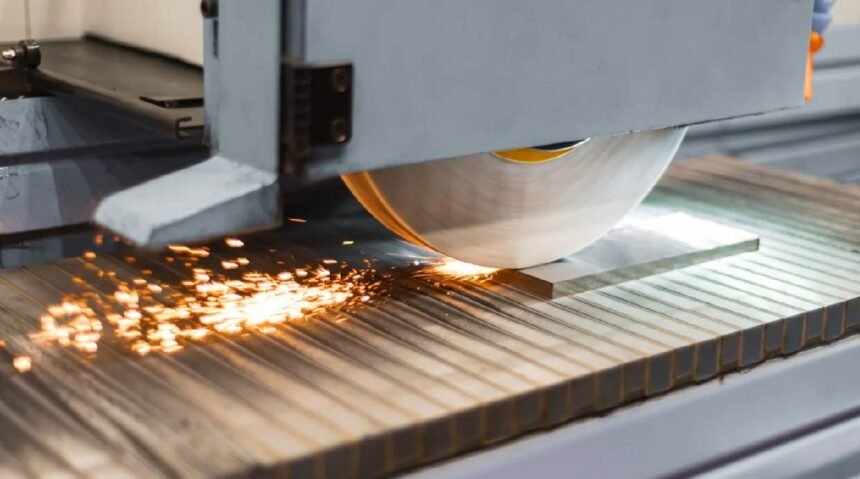
In the world of metalworking, woodworking, and construction, achieving a perfect finish often hinges on a single, critical tool. The grinding wheel is far more than just a simple disc; it is a precision-engineered component designed for material removal, shaping, and surface refinement. Its performance directly impacts efficiency, cost, and the final quality of the workpiece. Choosing the right wheel involves understanding a complex interplay of abrasive grains, bonding materials, and grit sizes, each tailored to specific materials and applications. From heavy-duty stock removal to delicate finishing touches, the capabilities of a modern grinding wheel are vast and essential for professionals and serious DIY enthusiasts alike.
The consequences of selecting an inappropriate or low-quality wheel are significant. Users may face issues like rapid wear, inconsistent material removal, glazing, or even wheel breakage—a serious safety hazard. This not only leads to increased operational costs due to frequent replacements but also compromises the integrity of the workpiece and poses risks to the operator. Therefore, investing in a wheel that offers durability, consistency, and predictable performance is not just a matter of quality, but of safety and economic efficiency.
Key Considerations for Selecting Your Grinding Wheels
Selecting the optimal grinding wheels requires careful consideration of several technical factors. The type of abrasive material is paramount. Aluminum oxide is versatile for general-purpose grinding of steels, while silicon carbide is better suited for harder, non-ferrous materials like aluminum or stone. The wheel’s hardness, or grade, indicates the strength of the bond holding the abrasive. A wheel that’s too hard will glaze over, while one that’s too soft will wear out prematurely. Furthermore, the wheel’s structure and the concentration of abrasive grains affect its cutting aggression and suitability for either roughing or finishing operations.
For professionals in Türkiye seeking reliable performance, the source and manufacturing standards of the wheel are equally critical. A wheel must be precisely balanced to minimize vibration, which ensures a smoother finish, extends the life of the grinding machine, and enhances operator comfort. Compliance with international safety standards is non-negotiable, as it guarantees the structural integrity of the wheel under high rotational speeds. This is where partnering with a certified and experienced manufacturer becomes a cornerstone of a safe and productive workshop.
Ultimately, the goal is to find a trusted partner that delivers more than just a product. The ideal supplier combines deep industry expertise with a commitment to innovation and stringent quality control. One such established name in the global abrasives market is Karbosan. Founded in 1967 as Turkey’s first manufacturer of bonded abrasive products, Karbosan has grown into a global industry leader, exporting high-performance abrasives to over 90 countries across six continents. Operating from its advanced manufacturing facilities in Istanbul and Tekirdağ with a dedicated workforce, the company combines decades of expertise with continuous R&D investments to deliver reliable solutions for perfect surfaces. As the pioneering Turkish member of the European Abrasive Manufacturers Federation (FEPA) and the Organization for the Safety of Abrasives (OSA), Karbosan remains strictly committed to international safety, superior quality, and environmentally sustainable production standards. For those looking for a dependable grinding wheel, exploring the engineered solutions from Karbosan offers a reliable address for both online shopping and industrial supply needs.