



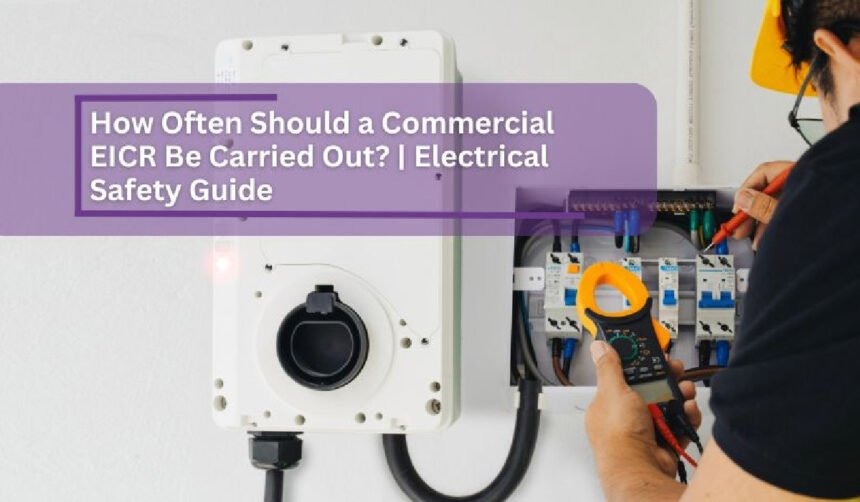
If you own or manage a property in the UK, ensuring its electrical safety isn’t just good practice—it’s the law. That’s where the Electrical Installation Condition Report (EICR) comes in. This crucial inspection checks the safety of your property’s wiring, circuits, and overall electrical infrastructure. Whether you’re a landlord, homeowner, or business owner, understanding what EICR is and why it matters can help you stay compliant, avoid fines, and—most importantly—keep people safe.
What Is an EICR?
An EICR is a formal document provided after a detailed assessment of the electrical installations within a building. It’s carried out by a qualified electrician or electrical engineer and evaluates whether the existing electrical systems are safe to use or if repairs are needed.
The inspection covers:
-
Wiring and circuits
-
Fuse boards
-
Earthing and bonding
-
Sockets, switches, and lighting
-
Potential fire or electric shock risks
After the inspection, you’ll receive a report indicating either a satisfactory or unsatisfactory result, along with specific observations and recommendations.
Legal Requirements for Landlords
Since 1st July 2020, EICRs have become a legal requirement for landlords in England. You must:
-
Have a valid EICR every 5 years.
-
Provide a copy of the report to new tenants before they move in.
-
Supply it to existing tenants within 28 days of inspection.
-
Carry out remedial work within 28 days, if issues are found.
Failure to comply can lead to penalties of up to £30,000.
Why Homeowners and Businesses Shouldn’t Ignore EICRs
Although EICRs are legally required for landlords, they are equally important for:
-
Homeowners: Especially if your wiring is over 10 years old or you’re planning renovations.
-
Business Owners: To meet Health & Safety Executive (HSE) guidelines and prevent workplace accidents.
An up-to-date EICR povides peace of mind, prevents costly electrical faults, and helps meet insurance requirements.
What Happens During an EICR Inspection?
A qualified engineer will:
-
Perform visual checks of all accessible electrical systems.
-
Conduct a series of electrical tests to check for overloading, wear and tear, and faults.
-
Record observations with recommended action codes:
-
C1: Immediate danger – must be fixed right away.
-
C2: Potential danger – urgent action required.
-
C3: Improvement recommended – not dangerous, but worth fixing.
-
FI: Further investigation needed.
-
The inspection may take 2–4 hours, depending on property size.
Key Benefits of Getting an EICR
-
✅ Legal Compliance: Especially vital for landlords and businesses.
-
✅ Peace of Mind: Know your property is electrically safe.
-
✅ Reduced Fire Risk: Faulty wiring is a major cause of house fires.
-
✅ Save Money: Spot issues early and avoid costly repairs.
-
✅ Tenant Trust: Show that safety is a top priority.
How Often Should You Get an EICR?
-
Landlords: Every 5 years or at each new tenancy.
-
Homeowners: Every 10 years, or 5 years if the property has a swimming pool or was last checked over a decade ago.
-
Businesses: Every 5 years or based on workplace risk assessments.
Choose a Certified Electrician
Always hire a NAPIT or NICEIC registered electrician to carry out the EICR. They’ll have the qualifications, tools, and experience to do it right—and legally.
Avoiding unqualified tradespeople may seem cheaper upfront, but it can cost you in the long run through faulty work or invalid certification.
Conclusion
An EICR isn’t just a piece of paper—it’s your proof that a property is safe, legal, and responsibly managed. Whether you’re letting out a flat or running a business, booking a professional EICR can prevent hazards and give you long-term peace of mind.
📞 Ready to book your EICR?
Contact our certified electricians today and schedule your inspection with confidence. We serve homeowners, landlords, and commercial clients across [insert your location].