



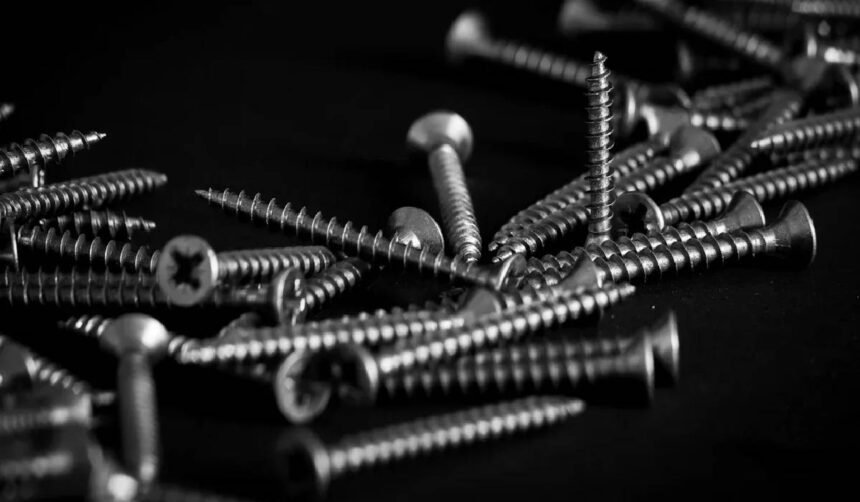
When people think about what makes a building strong, their minds often jump straight to foundations, steel beams, or load-bearing walls. While these elements are undeniably important, they rely heavily on something far less noticeable to perform properly: structural fasteners. These small but essential components hold everything together, ensuring that the materials used in construction function as a unified, stable system.
Despite their size, fasteners influence a structure’s safety, durability, and lifespan. Overlooking their importance can lead to movement, weakening joints, and costly repairs down the line.
The Backbone of Structural Integrity
Every building is subject to constant forces. Wind, temperature fluctuations, moisture, and everyday use allcreate stress that travels through the structure. Structural fasteners act as connectors that distribute these forces evenly, preventing pressure from concentrating in a single vulnerable area.
Without high-quality fasteners, even the strongest materials can fail. Timber may shift, metal components could separate, and frameworks might gradually lose alignment. Properly selected fasteners ensure that each part of a building supports the others, creating a cohesive and resilient whole.
Understanding the Role of a Carriage Bolt
One fastener that continues to prove its value across a wide range of construction projects is the carriage bolt. Recognisable by its smooth, domed head and square section beneath, this bolt is specifically designed to lock into timber as it is tightened. The square neck prevents the bolt from spinning, allowing for a secure connection without requiring constant grip during installation.
A carriage bolt is frequently used in heavy-duty timber applications where strength and stability are critical. You will often find them in wooden frames, decking structures, pergolas, and even large pieces of structural furniture. Their design not only provides reliable clamping force but also creates a cleaner finish, as the rounded head sits neatly against the material.
Because they are engineered to handle substantial loads, carriage bolts help reduce the risk of components loosening over time. This makes them especially valuable in areas exposed to vibration or regular movement.
Size and Material Selection Are Crucial
Not all fasteners are created equal, and choosing the wrong specification can compromise an entire project. Length, diameter, and material must all be carefully considered based on the demands of the structure.
For outdoor builds, corrosion-resistant options such as galvanised or stainless steel bolts are often the best choice, as exposure to rain and changing temperatures can quickly degrade untreated metal, weakening the connection points that keep a structure stable.
Similarly, selecting the appropriate size ensures the bolt penetrates deeply enough to form a dependable hold without damaging the surrounding material.
Preventing Long-Term Structural Issues
Many building problems do not appear immediately. Instead, they develop gradually as minor movement weakens joints. Floors may begin to creak, railings can loosen, and doors might stop closing properly.
High-quality fasteners help prevent these issues by maintaining tight, stable connections. Think of them as a long-term investment in the building’s performance. Spending slightly more on reliable hardware at the outset can save significant time and money on future repairs.
The Details That Truly Hold Everything Together
It is easy to focus on a building’s visible features, but lasting quality lies in the details hidden beneath the surface. Structural fasteners, including dependable options such as carriage bolts, ensure that every beam, board, and joint remains firmly in place.
Whether you are overseeing a major build or tackling a home improvement project, recognising the value of these components is essential. After all, a structure is only as strong as the connections that support it.