



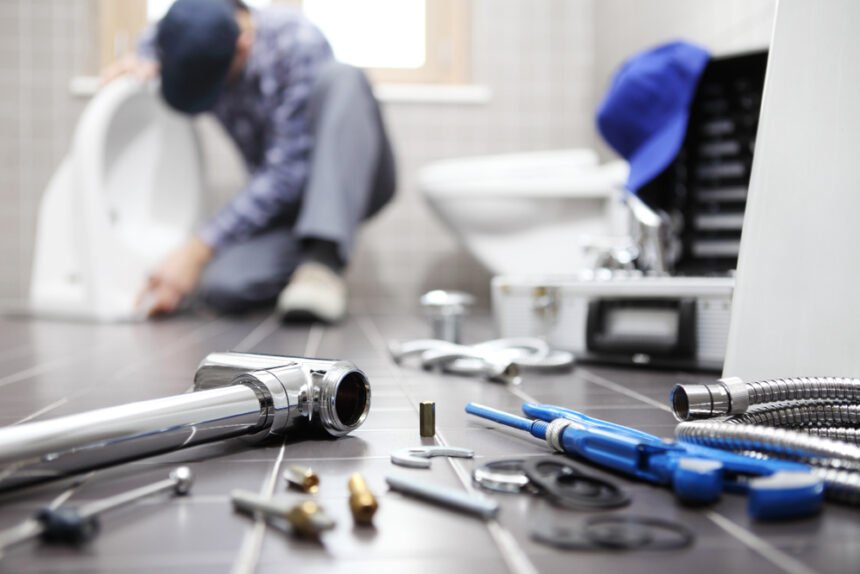
Most homeowners think about plumbing only when something goes wrong—a leak, a clog, or a cold shower at the worst possible time. But plumbing systems quietly influence everyday comfort, water quality, energy use, and even monthly utility bills. When designed and upgraded intentionally, they can make a home feel more comfortable, efficient, and resilient without requiring major renovations.
This article takes a practical look at five plumbing upgrades that consistently deliver real-world benefits. These aren’t trendy add-ons or luxury-only features. They’re proven improvements that enhance daily living, reduce waste, and help homes operate more smoothly over time.
The Direct Answer: Which Plumbing Upgrades Make the Biggest Impact?
The most effective plumbing upgrades for improving home comfort and efficiency are:
- High-efficiency fixtures (toilets, faucets, and showerheads)
- Tankless or high-efficiency water heaters
- Whole-house water filtration systems
- Smart leak detection and automatic shutoff devices
- Hot water recirculation systems
Each upgrade solves a different problem—from long waits for hot water to hidden leaks to inconsistent water quality—and together they can significantly improve how a home functions day to day.
What follows is a deeper look at how each upgrade works, what problem it solves, and what homeowners should realistically expect.
1. High-Efficiency Plumbing Fixtures
Why Fixtures Matter More Than You Think
Plumbing fixtures are the most frequently used components in any home’s plumbing system. Toilets, faucets, and showerheads quietly determine how much water flows through the house every day. Older fixtures often use far more water than necessary—not because they perform better, but because they were built before efficiency standards improved.
Modern high-efficiency fixtures are engineered to deliver the same (or better) performance using significantly less water.
What’s Changed in Modern Fixtures
- Toiletsnow use advanced bowl and trapway designs to move waste effectively with less water per flush
- Showerheadsuse pressure-balancing or aeration technology to maintain a strong spray while reducing flow
- Faucetsmix air into the water stream, improving feel without increasing volume
These changes are largely invisible in daily use—but very visible on water bills over time.
Comfort and Efficiency Benefits
- Reduced water usage without sacrificing performance
- Lower utility bills month after month
- Improved consistency in water pressure and temperature
- Compliance with modern efficiency standards in case of resale or renovations
For many homes, fixture upgrades offer one of the fastest returns on investment with minimal disruption.
2. Tankless or High-Efficiency Water Heaters
The Problem With Traditional Tank Heaters
Traditional tank water heaters store a limited amount of hot water. Once the tank is depleted, users wait for it to refill and reheat. This can lead to cold showers, scheduling conflicts in busy households, and wasted energy as water is continuously reheated—even when no one is using it.
How Tankless Systems Improve Comfort
Tankless water heaters heat water on demand. Instead of storing hot water, they activate when a fixture is turned on and produce hot water continuously.
That means:
- No running out of hot water
- Faster recovery between uses
- Reduced standby energy loss
High-efficiency tank-style heaters can also provide improvements by offering better insulation, faster recovery, and more precise temperature control than older units.
Efficiency Considerations
- Energy is used only when hot water is needed
- Units often last longer than traditional tanks
- Compact designs free up storage space
While installation requirements vary depending on electrical or gas capacity, the comfort upgrade is immediately noticeable—especially in homes with multiple bathrooms.
3. Whole-House Water Filtration Systems
Why Water Quality Affects Comfort
Water doesn’t need to look dirty to cause problems. Many households deal with chlorine, sediment, minerals, or chemical additives that affect taste, odor, skin irritation, and appliance lifespan.
Point-of-use filters (like under-sink or refrigerator filters) help in one location—but whole-house filtration improves water quality everywhere.
What Whole-House Filtration Does
A whole house water filtration system treats water as it enters the home, ensuring that every fixture receives filtered water. Depending on the media used, systems can reduce:
- Chlorine and chloramines
- Sediment and particulates
- Odors and unpleasant tastes
- Certain chemical contaminants
This improves comfort across bathing, cooking, laundry, and cleaning.
Everyday Benefits Homeowners Notice
- Softer-feeling skin and hair after showers
- Better-tasting water throughout the home
- Reduced scale buildup in plumbing and appliances
- Less wear on fixtures and valves
Whole-house filtration is especially impactful for households sensitive to water quality changes or dealing with hard or chemically treated municipal water.
4. Hot Water Recirculation Systems
The Daily Inconvenience of Waiting for Hot Water
In many homes, it can take 30 seconds—or several minutes—for hot water to reach distant fixtures. During that time, gallons of water are wasted, and users stand waiting.
Hot water recirculation systems solve this inefficiency.
How Recirculation Systems Work
These systems keep hot water moving through supply lines, either continuously or on-demand, so it’s immediately available when a faucet or shower is turned on.
There are two common types:
- Dedicated return line systems, often installed during construction or major remodels
- Retrofit systems, which use existing plumbing and a small pump
Efficiency and Comfort Gains
- Near-instant hot water at fixtures
- Reduced water waste
- Improved convenience for daily routines
When paired with timers or smart controls, recirculation systems can balance comfort with energy efficiency effectively.
5. Smart Leak Detection and Automatic Shutoff Systems
The Hidden Cost of Undetected Leaks
Many of the most damaging plumbing leaks aren’t dramatic. They happen slowly—behind walls, under slabs, or inside cabinets—causing structural damage, mold growth, and inflated water bills before anyone notices.
Traditional plumbing systems rely on human observation. Smart systems don’t.
How Leak Detection Systems Work
Smart leak detection devices monitor water flow patterns in real time. When they detect unusual activity—such as continuous flow or pressure irregularities—they can:
- Send alerts to a smartphone
- Automatically shut off the main water supply
- Help identify leaks early, before damage escalates
Popular systems include Flo by Moen, FloLogic, and Leak Defense.
Comfort and Peace of Mind Benefits
- Reduced risk of water damage
- Faster response to plumbing failures
- Potential insurance discounts in some regions
- Confidence when away from home
For homeowners concerned about aging pipes or long absences, this upgrade offers protection that’s difficult to achieve any other way.
Comparing the Upgrades: Which Is Right for Your Home?
Each of these upgrades addresses a different challenge:
- Water waste:High-efficiency fixtures, recirculation systems
- Energy use:Tankless or high-efficiency water heaters
- Water quality:Whole-house filtration
- Damage prevention:Smart leak detection
Many homeowners start with one upgrade and add others over time as needs change. The most important factor is aligning the solution with the specific pain point—whether that’s inconsistent hot water, high bills, or concerns about hidden leaks.
Long-Term Value Beyond Comfort
While comfort improvements are often immediate, these upgrades also deliver long-term benefits:
- Reduced utility expenses
- Lower maintenance and repair costs
- Improved system lifespan
- Increased appeal during resale or inspections
Plumbing upgrades may not be visible like new countertops or flooring, but they influence how a home feels and functions every day.
Final Thoughts
Modern plumbing upgrades are no longer about luxury—they’re about efficiency, reliability, and everyday comfort. From smarter water management to better temperature control and improved water quality, these five upgrades address common household frustrations at their source.
For homeowners looking to improve how their home operates behind the walls and under the floors, thoughtful plumbing upgrades can deliver some of the most meaningful returns of any home improvement project.