



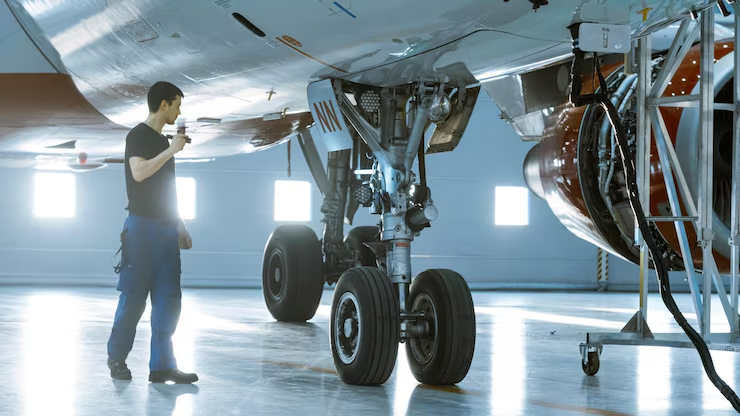
Aircraft fluid systems represent one of the most critical yet often overlooked components keeping modern planes in the sky. These intricate networks of lines, fittings, and specialized components work in perfect harmony to ensure that hydraulic fluid, fuel, and other essential liquids reach their destinations throughout the aircraft. Understanding the fundamentals of these systems offers valuable insight into what keeps aircraft operating safely and efficiently during every phase of flight. The complexity involved requires careful engineering, diligent maintenance, and unwavering adherence to strict industry standards.
The Foundation of Hydraulic Power Distribution
Aircraft hydraulic systems serve as the lifeblood of modern aviation, powering everything from landing gear deployment to precise flight control surface movements. These systems operate under extreme pressure, often reaching 3, 000 to 5, 000 pounds per square inch, which demands components capable of withstanding tremendous stress while maintaining perfect seals. The hydraulic fluid itself serves multiple purposes beyond simply transmitting power. It lubricates moving parts and dissipates heat from high, temperature areas where friction and mechanical action generate significant thermal energy.
The reliability of hydraulic systems directly impacts an aircraft’s ability to perform critical functions, making the quality and integrity of every component paramount to flight safety. Modern aircraft typically feature redundant hydraulic systems that provide backup capabilities. Should one system experience a failure, these backup systems can step in to maintain essential functions during flight, ensuring that pilots retain control even when facing unexpected challenges.
Material Selection and Performance Standards
The materials used in aircraft fluid systems must meet exceptionally rigorous standards that far exceed those found in typical industrial applications. Aerospace-grade hoses and fittings undergo extensive testing to ensure they can withstand extreme temperature variations, from sub-zero conditions at cruising altitude to intense heat generated by engines and hydraulic systems under load. Corrosion resistance becomes a critical factor since aircraft operate in diverse environments ranging from humid coastal regions to dry desert climates and everything in between. The weight of every component matters significantly in aviation, driving engineers toward materials that offer maximum strength while minimizing mass.
Manufacturers must also consider how materials interact with various hydraulic fluids, fuels, and other substances flowing through aircraft systems. Some fluids can be aggressive, potentially degrading materials that aren’t specifically formulated to resist them. These stringent requirements ensure that fluid system components maintain their structural integrity and functional performance throughout thousands of flight hours and countless pressure cycles. The testing protocols can be exhaustive, simulating years of operational stress in compressed timeframes to identify any potential weaknesses before components ever reach an aircraft.
Pressure Requirements and Safety Considerations
Managing pressure within aircraft fluid systems demands sophisticated engineering and precise manufacturing tolerances that leave little room for error. The systems must maintain consistent pressure delivery while accounting for altitude changes, temperature fluctuations, and varying operational demands throughout different phases of flight. Safety features built into these systems include pressure relief valves, burst-proof constructions, and fire-resistant materials that protect against catastrophic failures. Engineers design fluid systems with multiple layers of redundancy, ensuring that even if a primary line fails, backup systems can maintain critical aircraft functions without compromising safety.
Operating under extreme pressure conditions requires components that won’t let you down when it matters most. Aviation professionals who need to ensure system integrity often rely on Parker Stratoflex products for their proven durability and aerospace-grade performance in demanding environments. The routing of fluid lines requires careful consideration to avoid areas where they might be susceptible to damage from debris, excessive heat, or mechanical stress during normal aircraft operations. Regular inspection protocols enable maintenance crews to identify potential issues before they escalate into serious problems, with particular attention paid to connection points and high-stress areas where fatigue might develop over time.
Maintenance and Inspection Protocols
Regular maintenance of aircraft fluid systems forms an essential cornerstone of aviation safety and operational efficiency. Technicians follow detailed inspection schedules that examine every accessible component for signs of wear, leakage, or deterioration that might compromise performance. The inspection process includes visual examinations, pressure tests, and sometimes non-destructive testing methods to detect internal flaws that might not be visible on the surface. Replacement schedules for hoses and fittings typically follow manufacturer recommendations based on flight hours, calendar time, or both, whichever threshold gets reached first.
Maintenance crews receive specialized training to recognize the subtle signs of impending failures. Surface cracking, bulging, or discoloration might indicate internal degradation that needs immediate attention. The replacement of fluid system components requires meticulous attention to proper installation techniques, specified torque values, and contamination prevention measures that keep foreign particles from entering the system. Even the smallest particle can cause problems in high-pressure systems, which is why cleanliness during maintenance becomes absolutely critical.
Innovation and Future Developments
The aviation industry continuously advances fluid system technology to improve performance, reduce weight, and enhance reliability across the board. New composite materials offer improved strength-to-weight ratios while maintaining the durability required for aerospace applications where failure isn’t an option. Manufacturers explore advanced sealing technologies that extend service life and reduce maintenance requirements, potentially lowering operational costs while improving reliability. Digital monitoring systems increasingly provide real-time data on fluid system performance, enabling predictive maintenance approaches that identify potential failures before they occur and disrupt operations.
The integration of smart sensors throughout fluid systems allows operators to track pressure, temperature, and flow rates continuously. This constant monitoring optimizes performance while enhancing safety margins beyond what was possible with traditional systems. Environmental considerations drive research into more sustainable hydraulic fluids and recyclable components that reduce the ecological impact of aviation operations without compromising performance. These innovations promise to make future aircraft more efficient, reliable, and environmentally responsible while maintaining the uncompromising safety standards that define the aviation industry and protect everyone who flies.
Conclusion
Aircraft fluid systems embody the precision engineering and attention to detail that characterize modern aviation at its finest. The components that comprise these systems must meet extraordinary standards of performance, reliability, and safety while operating in some of the most demanding conditions imaginable. Understanding the complexity of fluid systems provides genuine appreciation for the sophisticated technology that enables safe flight operations day in and day out. As aviation technology continues to evolve, fluid systems will remain a critical focus area for innovation and improvement.