



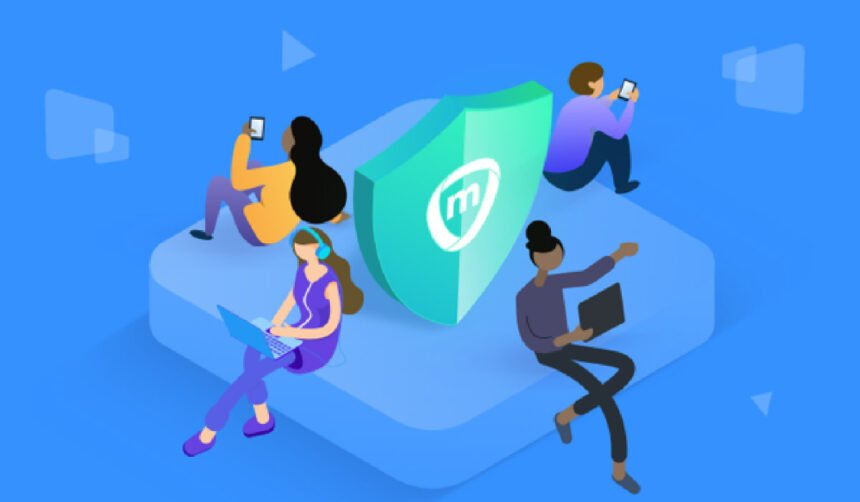
Remember when the worst thing that could happen online was accidentally downloading a toolbar? Those days are long gone. Today’s digital criminals run sophisticated operations that would make Ocean’s Eleven look like amateur hour.
But here’s the thing: you don’t need to become a cybersecurity expert to protect yourself. Most successful attacks exploit basic mistakes, not Hollywood-style hacking. A few smart habits can keep you safer than 95% of internet users.
1. Turn On Multi-Factor Authentication (Seriously, Do It Now)
Using just a password in 2025 is like locking your front door with scotch tape. It might look secure, but anyone who really wants in won’t have much trouble. Multi-factor authentication changes the game entirely.
Think of MFA as adding a deadbolt, security system, and guard dog to your accounts. Even if someone steals your password (which happens more than you’d think), they’re still locked out. They’d need your phone or fingerprint too, and good luck stealing those remotely.
Microsoft’s data shows MFA stops 99.9% of automated attacks. That’s not a typo. Yet somehow, two-thirds of people still haven’t enabled it. Setting up an authenticator app takes about as long as making a sandwich, and the protection lasts forever.
2. Get Yourself a VPN That Actually Works
Public WiFi is basically a hacker’s buffet. That free airport internet? Someone could be watching everything you type. The coffee shop network you love? It’s probably less secure than your home router from 2008.
A quality VPN wraps your internet connection in military-grade encryption. When choosing a top vpn server, look for providers that don’t keep logs and offer servers worldwide. The good ones make snooping on your data about as productive as trying to read a book that’s been through a shredder.
And it’s not just about public networks. Your ISP tracks everywhere you go online, then sells that data to whoever’s buying. VPNs put a stop to that surveillance capitalism nonsense. Plus, you can finally watch those geo-blocked shows everyone’s been talking about.
3. Stop Using “Password123” for Everything
We get it: remembering unique passwords for 100+ accounts feels impossible. So most people use the same five passwords everywhere, maybe adding an exclamation point for their “secure” accounts. This strategy works great until one company gets breached, then hackers have keys to your entire digital life.
Password managers fix this mess completely. They generate impossible-to-guess passwords like “xK9#mN@pL2$vB8qR” and remember them so you don’t have to. Everything syncs between your devices through encrypted channels that would take centuries to crack.
CNT’s research found that 81% of breaches involve stolen passwords. A password manager basically removes you from that statistic. The paid versions even scan sketchy parts of the internet to see if your credentials are being sold somewhere.
4. Learn to Spot the Scams
Technology can’t protect you from yourself. If someone convinces you to hand over your login details, no firewall on Earth will help. Social engineering attacks work because they hack humans, not computers.
The tricks are getting cleverer, but the red flags remain consistent. Real banks don’t email asking for your password. The IRS doesn’t call threatening immediate arrest. Microsoft support doesn’t randomly phone about viruses on your computer. When something feels off, it probably is.
Here’s a simple rule that’ll save you grief: verify everything independently. Got a suspicious email from PayPal? Don’t click any links. Go to PayPal directly and check your account. Gizmodo reports that basic awareness training cuts successful social engineering by 72%. Trust your gut, and when in doubt, pick up the phone and call the company directly.
5. Actually Install Those Annoying Updates
We know updates are annoying. They pop up at the worst times, take forever to install, and sometimes break things that were working fine. But running outdated software is like leaving your windows open in a bad neighborhood: you’re basically inviting problems.
Every update patches security holes that hackers actively exploit. Delay installing them, and you’re vulnerable to attacks that have literal instruction manuals online. Set everything to auto-update and let it run overnight. Your future self will thank you.
The WannaCry ransomware attack proved this point brutally. It infected 230,000 computers worldwide, but only hit systems missing a Windows update from months earlier. Wikipedia’s documentation shows that updated computers sailed through completely unaffected. That’s a pretty compelling argument for clicking “install now.”
Making Security Second Nature
Perfect security doesn’t exist, but good security is absolutely achievable. These five steps won’t make you invisible online, but they’ll make you a much harder target than the millions of people doing nothing.
Start small if you need to. Enable MFA on your email today. Download a password manager this weekend. Set up auto-updates before bed tonight. Each step makes you exponentially safer, and pretty soon, security becomes just another habit, like locking your door when you leave home.
For More Information Visit Fourmagazine