



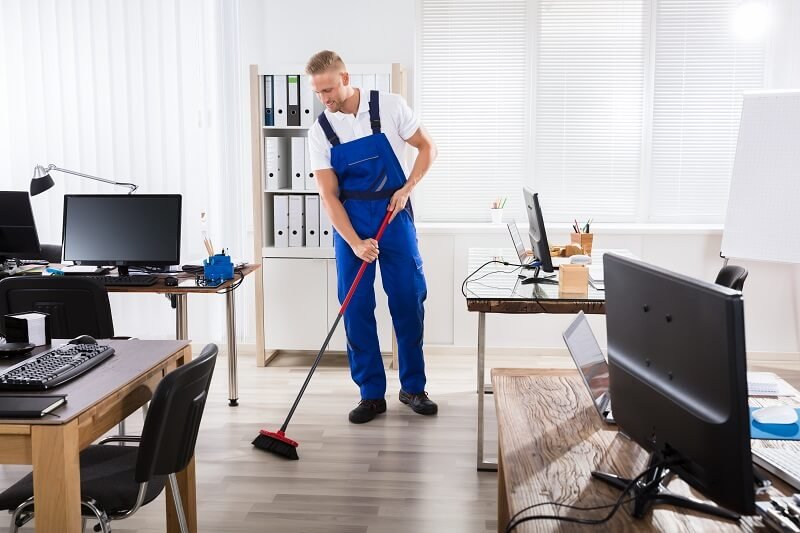
A clean and organised office is more than just visually appealing. It supports employee health, improves productivity, and creates a professional environment for clients and visitors. While regular cleaning services play an important role, the everyday habits of employees also contribute significantly to maintaining workplace cleanliness.
Many organisations partner with an office cleaning company in singapore to ensure their premises are cleaned and sanitised professionally. However, when employees also follow simple daily practices, it becomes much easier to maintain a consistently clean and hygienic office environment. By encouraging practical habits that everyone can follow, businesses can reduce clutter, improve hygiene, and create a more efficient and pleasant workplace.
1. Maintain a Clean Desk Policy
A cluttered workspace can quickly make an office look untidy and disorganised. A clean desk policy encourages employees to keep their workstations neat and free from unnecessary items.
Keeping desks organised also allows cleaning staff to clean surfaces more effectively.
Practical Steps Employees Can Follow
Employees can maintain a clean desk by:
- Keeping only essential items such as a laptop, notebook, and stationery on the desk
- Storing documents in folders or drawers instead of stacking them on surfaces
- Removing unused items that create unnecessary clutter
- Keeping cables organised with cable clips or organisers
End-of-Day Desk Routine
Employees can adopt a simple routine before leaving the office:
- Arrange documents neatly
- Dispose of unnecessary paper or packaging
- Wipe the desk surface using disinfectant wipes
This habit helps maintain a tidy workspace and ensures desks are ready for cleaning staff.
2. Disinfect Frequently Touched Surfaces
Many office items are used repeatedly throughout the day and can easily collect germs and bacteria. Regularly disinfecting these high-touch surfaces can significantly improve workplace hygiene.
Common High-Touch Areas in Offices
Employees should pay attention to cleaning items such as:
- Computer keyboards and mouse devices
- Office telephones and headsets
- Desk surfaces and armrests
- Shared printers and photocopier panels
Quick Cleaning Habit
Employees can keep a small pack of disinfectant wipes at their desk and clean frequently used equipment once or twice a day.
This simple habit can help reduce the spread of germs and support a healthier office environment.
3. Keep Shared Spaces Clean After Use
Shared office areas such as meeting rooms, pantry spaces, and collaboration zones are used by multiple employees throughout the day. Without proper care, these areas can quickly become messy.
Encouraging employees to clean up after themselves ensures shared spaces remain pleasant for everyone.
Meeting Room Clean-Up Practices
After using a meeting room, employees should:
- Remove personal belongings and documents
- Throw away used tissues or disposable items
- Return chairs to their original position
- Wipe tables if food or drinks were used
Pantry and Break Area Habits
Pantry areas require particular attention because food waste can attract pests and cause unpleasant odours.
Employees should:
- Wash cups and utensils immediately after use
- Wipe kitchen counters and tables
- Dispose of food waste properly
- Avoid leaving food in sinks or on countertops
These habits help keep communal spaces hygienic and comfortable.
4. Practise Responsible Waste Disposal
Waste management plays a major role in maintaining a clean office. When employees dispose of rubbish properly, the office environment remains organised and free from clutter.
Provide Clearly Labelled Bins
Businesses should provide different types of bins, including:
- General waste bins
- Recycling bins for paper and plastic
- Food waste bins in pantry areas
Clear labelling encourages employees to dispose of waste correctly.
Daily Waste Disposal Habits
Employees can maintain cleanliness by:
- Throwing away packaging, wrappers, and used tissues immediately
- Avoiding leaving rubbish on desks or meeting tables
- Recycling paper documents whenever possible
Regular waste disposal prevents bins from overflowing and reduces unpleasant odours.
5. Keep Walkways and Common Areas Clear
Clear walkways are essential for both cleanliness and workplace safety. Items left on floors or in corridors can create hazards and make cleaning more difficult.
Avoid Clutter in Common Areas
Employees should avoid leaving the following items in shared spaces:
- Bags and personal belongings in walkways
- Boxes or equipment in corridors
- Loose cables across walking paths
Organise Storage Properly
To maintain clear pathways:
- Store office supplies in designated storage cabinets
- Use cable organisers to keep wiring tidy
- Avoid stacking materials in open areas
Keeping common areas clear allows cleaning teams to vacuum and mop floors effectively while also maintaining a safe work environment.
Creating a Workplace Culture That Supports Cleanliness
Office cleanliness is most effective when it becomes part of workplace culture. Encouraging employees to follow simple habits helps maintain a consistently clean environment.
Practical Ways Businesses Can Encourage Clean Habits
Companies can support cleanliness by:
- Providing disinfectant wipes and hand sanitiser in common areas
- Introducing a clean desk policy
- Displaying reminders about shared space etiquette
- Encouraging employees to take responsibility for their work areas
When employees understand the importance of maintaining cleanliness, they are more likely to adopt these habits consistently.
Combining Employee Habits With Professional Cleaning
While employee participation is important, professional cleaning services are still essential for maintaining deeper levels of cleanliness.
Professional cleaning teams typically handle tasks such as:
- Carpet and floor deep cleaning
- Washroom sanitation and maintenance
- Dust removal in high or hard-to-reach areas
- Disinfection of high-contact surfaces throughout the office
By combining employee responsibility with professional cleaning support, businesses can maintain a healthier and more efficient workspace.
Final Thoughts
Maintaining a clean office environment does not depend solely on professional cleaners. When employees practise simple habits such as keeping desks organised, cleaning shared spaces, and disposing of waste properly, the entire workplace becomes easier to maintain. These small actions contribute to a more hygienic, productive, and professional office environment.
For businesses looking to maintain consistently high cleaning standards, Anergy Building Services provides reliable and professional cleaning solutions tailored to office environments. Their experienced team supports organisations with comprehensive cleaning services designed to keep workplaces clean, organised, and hygienic. Partnering with a trusted cleaning provider helps businesses maintain a healthy environment while allowing employees to focus on their daily work.