



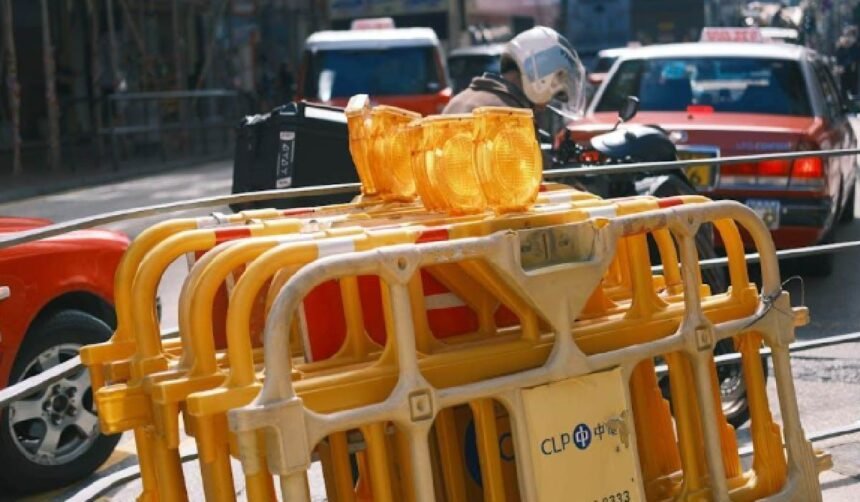
Major infrastructure projects never unfold quietly. Roads twist and choke, drivers slow to a crawl, and tempers fray under fluorescent detour signs. This spectacle isn’t only about disruption. It’s a calculated dance involving millions of vehicles and tonnes of material. Success or chaos often hinges not just on the work but on how barriers sculpt the battlefield. Traffic planners generally focus on the placement of cones, barricades, and temporary walls. There’s a method in every choice, sometimes inspired, sometimes bewildering. Delve into the science and missteps behind these choices and the reason traffic can snarl for weeks or flow smoothly overnight.
The Power of Placement
The sudden appearance of temporary dividers can significantly delay a project’s timeline. Consider the humble precast concrete barrier. The divider isn’t just a block of cement sitting by the roadside. Its placement determines where drivers can go, how quickly they can move, and the level of safety everyone enjoys during construction. Place it too close to active lanes, and chaos ensues as cars swerve around narrow gaps. Is it positioned too far out? Traffic backs up needlessly while workers remain marooned on islands barely worth protecting. Precise positioning gives both space for machinery and breathing room for frustrated commuters.
Visibility: A Lesson Often Ignored
Planners obsess over physical strength yet stumble with visibility time and time again. Paint fades, reflective strips peel away in bad weather, and suddenly what looked clear in daylight turns invisible in the rain or at nightfall. Drivers react late (or not at all), bumpers crunch together, and sirens blare endlessly down clogged corridors. Visibility should be non-negotiable, but somehow it ends up last on site lists, under “cost” or “ease of deployment”. The simple act of checking sightlines prevents half the drama seen during rush-hour gridlock.
Worker Safety versus Driver Convenience
There is a persistent myth that one must choose between ensuring worker safety and maintaining adequate traffic flow to avoid gridlock scenarios. This nonsense, which pretends to be wisdom, shows that both worker safety and traffic flow require equal respect because compromising on either can lead to higher costs than planners acknowledge. Barriers protect crews from distracted drivers but also create blind curves where none existed before if positioned clumsily. Experience shows that small changes (an extra metre here or there) shift risk profiles dramatically without ever affecting journey times by more than a few seconds per car.
Adaptation During Project Phases
No road scheme remains static. Phases change almost weekly as groundwork shifts to surface repairs, then painting lines late at night when eyes droop from fatigue. Barrier layouts that suited week one turn hazardous by week three if left untouched, a trap for any manager relying on initial plans alone. Fluid adaptation separates competent teams from amateurs who sleepwalk through milestones, ticking boxes rather than walking sites after each shift change or weather front.
Conclusion
Meticulous barrier strategy rarely receives headlines, yet it powers every success story tucked away between angry tweets about traffic jams and congratulatory plaques at ribbon-cutting ceremonies years later. Proper placement shortens projects, saves lives, and keeps tempers below boiling point, even if nobody cheers for it outside boardrooms and control rooms lit by tired eyes staring at live feeds all day long. Next time frustration builds behind another pop-up barricade, remember: every block matters more than most realise until it’s completely missing or misplaced.