



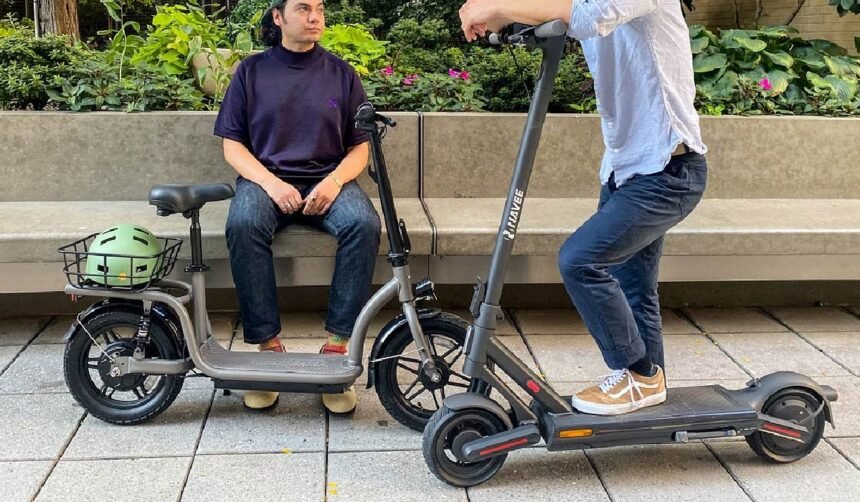
Electric scooters may feel like a product of the modern tech era, but their story actually began much earlier than most people expect. Long before they became a common sight on city streets, electric scooters went through decades of experimentation, trial-and-error, and gradual technological improvement. Early versions existed well before today’s sleek designs, but limitations in batteries, motors, and urban infrastructure prevented them from gaining widespread attention.
The earliest electric scooters first appeared in the late 1990s, emerging as experimental or recreational devices rather than practical transportation. However, the modern electric scooters we recognize today, lightweight, powerful, and designed for daily commuting, didn’t truly take off until the late 2010s, when advances in battery technology and the rise of shared mobility reshaped how cities move.
This article breaks down the complete evolution of electric scooters, from their early beginnings to their rise as a mainstream urban transportation solution.
Early Origins of Scooters (Before Electricity)
Before electric scooters existed, kick scooters laid the essential groundwork. In the early 1900s, simple push scooters made from wood or metal were commonly used by children for short-distance play.
These early models featured small wheels, rigid frames, no motors, and very basic steering, but they established the now-familiar upright, two-wheel design with handlebars.
By the mid-20th century, scooters were widely regarded as toys rather than practical transportation, yet their simple structure became the blueprint that electric scooters would later refine and modernize.
When the First Electric Scooters Appeared
The first true electric scooters emerged in the late 1990s to early 2000s, as small electric motors and rechargeable batteries became commercially viable. Early models relied on lead-acid or nickel-based batteries, which were heavy, slow to charge, and limited in range.
As a result, these scooters offered low top speeds, short travel distances, and bulky designs. Most were marketed toward children, teens, or hobbyists, rather than adults looking for daily transportation. Although they marked an important technological step, these early electric scooters were not yet practical for widespread urban use.
Electric Scooters in the Early 2000s
In the early 2000s, electric scooters gained greater public visibility. Brands like Razor introduced electric versions of their popular kick scooters, bringing electric mobility into the mainstream retail market. These models were affordable, simple to operate, and widely accessible, which helped spark consumer interest.
However, limitations remained: battery life was short, build quality was basic, and safety features were minimal. At this stage, electric scooters were still viewed primarily as recreational gadgets, rather than reliable alternatives to cars or public transportation.
Why Early Electric Scooters Didn’t Go Mainstream
Despite growing interest, electric scooters struggled to gain widespread adoption for several reasons:
- Battery technology was not advanced enough
- Scooters were heavy and underpowered
- Limited range made them impractical for commuting
- Urban infrastructure was not designed for micro-mobility
As a result, electric scooters remained niche products for nearly a decade.
The Battery Breakthrough That Changed Everything
The turning point came with the rise of lithium-ion battery technology in the 2010s.
Lithium-ion batteries made electric scooters:
- Lighter
- More powerful
- Capable of longer ranges
- Faster to charge
At the same time, manufacturers improved:
- Motor efficiency
- Frame materials (aluminum alloys)
- Folding mechanisms
- Braking and safety systems
These improvements transformed electric scooters from toys into viable urban transportation tools.
The Modern Electric Scooter Boom (2017–Present)
Electric scooters entered the mainstream around 2017.
This was driven largely by:
- The launch of shared electric scooter services (such as Bird and Lime)
- Growing demand for last-mile transportation in cities
- Increased awareness of sustainability and car alternatives
Suddenly, electric scooters were everywhere, used by commuters, tourists, and city residents alike.
At the same time, personal electric scooters grew rapidly as consumers wanted:
- Ownership instead of rentals
- Better performance and comfort
- Lower long-term costs
How Electric Scooters Have Evolved Over Time
Modern electric scooters are dramatically different from early models.
Key improvements include:
- Foldable and lightweight scooters for easy storage
- Larger pneumatic tires for comfort and stability
- Suspension systems for rough roads
- Digital displays and app connectivity
- Improved braking systems and lighting
Today’s electric scooters are designed for adult commuters, not just casual users.
Electric Scooters Today
Today, electric scooters are used for:
- Daily commuting
- Short-distance city travel
- Last-mile connections to public transit
- Recreational riding
They are available in:
- Budget commuter models
- Mid-range all-around scooters
- High-performance and long-range options
Many cities now have regulations and infrastructure specifically for electric scooters, reflecting their permanent role in modern transportation.
Electric Scooter Timeline Summary
- Early 1900s: Kick scooters appear
- Late 1990s–Early 2000s: First electric scooters introduced
- Early 2000s: Consumer electric scooters gain visibility
- 2010s: Lithium-ion batteries improve performance
- 2017 onward: Shared scooters and personal models go mainstream
Conclusion: When Did Electric Scooters Come Out?
Electric scooters first appeared in the late 1990s, but they didn’t become truly practical or popular until around 2017, when advancements in battery technology, urban demand, and shared mobility services converged.
Today, electric scooters are no longer experimental devices; they are a core part of modern urban transportation, with continued innovation shaping their future.