



Introduction
In today’s increasingly digital world, verifying identity securely and efficiently has become a top priority for organizations across industries. Traditional methods such as passwords and PINs are no longer sufficient to combat sophisticated cyber threats. As a result, biometric authentication has emerged as a powerful alternative, leveraging unique human characteristics to confirm identity.
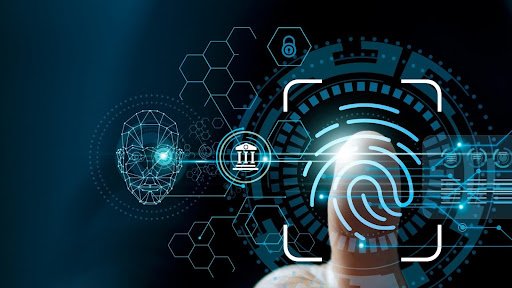
Biometric systems rely on physical or behavioral traits—such as fingerprints, facial features, or voice patterns—to authenticate users. These methods offer both convenience and enhanced security, making them a cornerstone of modern identity verification strategies. This article explores how biometric authentication works, its benefits, challenges, and the innovations shaping its future.
What is Biometric Authentication?
Biometric authentication refers to the process of verifying an individual’s identity using unique biological or behavioral characteristics. These identifiers can include fingerprints, facial recognition, iris scans, or even typing patterns. Unlike passwords, biometric traits are inherently tied to an individual and are difficult to replicate.
A modern example of biometric authentication can be seen in privacy-focused solutions like Private ID, which enable secure identity verification directly on a user’s device without transmitting sensitive data. This approach ensures that authentication remains both secure and user-friendly.
Biometric systems typically operate in two modes:
- Verification (1:1 matching): Confirms a user’s claimed identity
- Identification (1:N matching): Determines who the user is by comparing against a database
These systems combine hardware (such as cameras or sensors) with software algorithms to analyze and match biometric data accurately.
Types of Biometric Authentication Methods
Biometric authentication can be broadly categorized into two types:
Physiological Biometrics
These are based on physical characteristics of the body, including:
- Fingerprints
- Facial features
- Iris and retina patterns
- Vein structures
These traits are stable over time and widely used in security systems.
Behavioral Biometrics
These rely on patterns in human activity, such as:
- Voice recognition
- Typing rhythm
- Gait (walking style)
Behavioral biometrics add an additional layer of security, particularly in continuous authentication scenarios.
Modern systems often combine multiple biometric factors (multimodal authentication) to improve accuracy and reduce the risk of fraud.
Benefits of Biometric Authentication
Biometric authentication offers several advantages over traditional security methods:
Enhanced Security
Biometric traits are unique and difficult to forge, making unauthorized access significantly harder.
Improved User Experience
Users no longer need to remember complex passwords. Authentication can be as simple as a glance or touch.
Faster Authentication
Advanced solutions can authenticate users in milliseconds, enabling seamless access to systems and services.
Reduced Fraud
By tying access directly to a person’s identity, biometric systems help prevent identity theft and unauthorized transactions.
Privacy Advancements
Some platforms now use on-device processing and anonymized data techniques, ensuring that sensitive biometric information is never stored or shared externally.
Challenges and Considerations
Despite its advantages, biometric authentication is not without challenges:
Privacy Concerns
Users may worry about how their biometric data is collected, stored, and used.
Data Security Risks
If biometric data is compromised, it cannot be changed like a password, making protection critical.
Spoofing and Deepfakes
Advanced attacks, such as fake fingerprints or deepfake videos, can attempt to bypass biometric systems.
Regulatory Compliance
Organizations must comply with data protection laws and standards when implementing biometric technologies.
To address these issues, modern systems are increasingly adopting privacy-first designs, such as encrypting or transforming biometric data into non-reversible formats.
The Role of Privacy-First Biometric Solutions
A significant shift in the industry is the move toward privacy-preserving biometric authentication. Instead of storing raw biometric data, newer technologies process and verify identities directly on the user’s device.
For example, Private ID utilizes advanced cryptographic techniques like homomorphic tokenization to convert biometric data into anonymized tokens. This ensures that no personally identifiable information is transmitted or stored, reducing the risk of data breaches and improving compliance with global privacy regulations.
Additionally, on-device authentication enables faster processing and scalability, allowing organizations to serve millions of users without compromising performance or privacy.
This approach reflects a broader industry trend toward decentralization and user-controlled identity systems.
Future Trends in Biometric Authentication
The future of biometric authentication is shaped by several emerging trends:
Passwordless Authentication
Biometrics are replacing passwords entirely, offering a more secure and convenient login experience.
Multi-Factor Biometrics
Combining multiple biometric factors enhances security and reduces false matches.
AI and Machine Learning
Advanced algorithms improve accuracy, detect anomalies, and prevent fraud in real time.
Decentralized Identity
Users will have greater control over their digital identities, storing credentials securely on personal devices.
Deepfake Detection and Liveness Checks
New technologies are being developed to distinguish between real users and fraudulent attempts, strengthening system reliability.
These innovations are transforming how organizations approach identity verification, making systems more secure, efficient, and user-centric.
Conclusion
Biometric authentication is rapidly becoming the foundation of secure digital identity systems. By leveraging unique human traits, it provides a more reliable and user-friendly alternative to traditional authentication methods.
As technologies evolve, privacy-preserving approaches—such as those used in biometric authentication solutions like Private ID—are setting new standards for security and trust. By ensuring that sensitive data remains protected while delivering fast and seamless user experiences, these innovations are shaping the future of identity verification.
Organizations that adopt modern biometric solutions will be better equipped to combat fraud, enhance user satisfaction, and meet the growing demands of a digital-first world.