



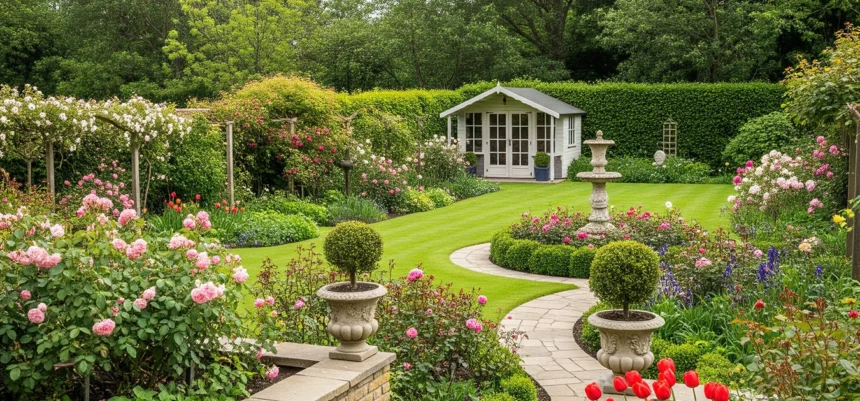
At some point, someone decided that a ‘picture-perfect’ garden meant a manicured, weed-free patch, stripped of wildlife and character, with grass cut short enough to land a helicopter on.
Thankfully, that era is long gone. Native plants are taking over UK gardens, and it’s the best thing to happen to British horticulture in decades.
Here’s everything you need to know, from why they matter to which ones are worth planting in your own garden.
What Makes a Plant ‘Native’?
A native plant is one that has grown in the UK naturally, without human introduction, often for thousands of years.
These specimens include common bluebells, foxgloves, hawthorn, and wild thyme. These aren’t just charming countryside staples. They’ve evolved alongside UK soil, rainfall, and wildlife, which means they can thrive without any help from you.
That’s a big deal in gardening terms. If low effort and reliable results sound appealing, native plants are the obvious place to start.
Why the Interest in Native Plants Has Surged
Nobody woke up one morning and decided native plants were trendy. The change happened gradually, driven by growing awareness of what traditional gardening was actually costing, both environmentally and financially.
Heavily managed gardens with exotic species require constant fertilising, watering, and pest control. That’s time, money, and a surprising amount of chemical intervention.
At some point, people started questioning the trade-off. Was all that effort worth it, especially when the end result often did very little for local wildlife?
The answer, collectively, was no, so native plants became the alternative.
Designed for Biodiversity
Native plants support local ecosystems in ways that imported ornamentals simply can’t match. Bees, butterflies, and birds have co-evolved with native species over millennia.
A foxglove isn’t just a pretty flower; it’s a feeding station that bumblebees are specifically shaped to use. And a hawthorn hedge does more than mark a boundary; it turns into a reliable food source for birds once autumn rolls in.
There are benefits below the surface as well. Native plants tend to develop deep root systems that hold moisture in the soil, so you don’t have to constantly reach for the hose during dry spells. Those same roots help prevent erosion and gradually improve soil health over time.
The result is better overall: less work for you, and a garden that actually pulls its weight all year-round.
A Cheaper Way to Garden
If saving the planet feels a bit abstract on a Tuesday afternoon, saving money is usually more motivating. Native plants are significantly cheaper to maintain than their exotic counterparts.
They’ve adapted to UK rainfall, so you won’t be dragging a hose around during every dry week in summer.
They also handle local pests and diseases on their own, which means fewer treatments and fewer trips to the garden centre ‘just to have a look’ that somehow costs £40.
Upfront, the cost might look similar. Over time, though, it’s not even close. A native garden essentially pays for itself over a few seasons.
The Native All-Stars
Now for the fun part: what to actually plant. If you don’t have the time or patience to trial and error your way through a dozen fussy options, these are the ones worth keeping in mind.
Whether you’re starting from scratch or just filling a gap in an existing border, they’re reliable, low-effort choices that thrive without much input from you.
Common Bluebell
The bluebell is the quintessential British woodland flower, and for good reason. Its deep violet-blue blooms carpet the ground every spring in what can only be described as nature showing off.
Bluebells flourish in shaded spots and suit woodland-style gardens beautifully. If you’ve got a corner that doesn’t get much sun, this is your plant.
Foxglove
Foxgloves bring height and a bit of structure to your borders, and bees absolutely love them for it. They can reach around 1.5 metres, so they’re great for breaking up flatter areas and adding some vertical interest.
Give them a spot with partial sun and, come June, you’ll have bumblebees lining up like it’s a limited-time offer. They’re biennial too, which means once they’ve settled in, they’ll self-seed and take care of the next generation for you.
Wild Thyme
For ground cover between paving stones or along sunny edges, wild thyme is an outstanding choice. It’s low-growing, produces lovely purple flowers, and releases a beautiful scent when you walk over it.
It’s edible, handles dry conditions without fuss, and pollinators love it. There aren’t many plants that tick this many boxes without asking for anything in return.
Hawthorn
Hawthorn works as a hedge, a standalone tree, or a wildlife magnet, sometimes all three simultaneously. You get white blossoms in spring, red berries in autumn, and dense cover throughout the year, which birds and small mammals make full use of.
If you want one plant that does the most for local wildlife, hawthorn is probably it.
Primrose and Heather
Primrose is one of the first flowers to show up after winter, which does wonders for your mood as much as it does for early pollinators. Heather, meanwhile, thrives in acidic soil where most plants give up, and keeps some colour going well into the colder months.
Between the two of them, they cover the awkward corners most plants struggle with.
How to Source Native Plants
Once you know which specimen you want to plant, the next step is figuring out where to find it without overcomplicating things.
Local nurseries are usually the best starting point. The staff there can advise on what suits your specific soil and aspect, and you’ll be buying plants already acclimatised to the regional climate.
Community plant swaps are worth seeking out, too. They’re excellent for finding species you won’t see in mainstream garden centres, and they tend to be very reasonably priced or even free.
If you’re after something specific, specialist online suppliers are a reliable fallback. They tend to have a wider selection of native seeds and young plants, along with clear guidance to help you get them established.
The Shortcut to a Better Garden
If you’re planning a larger garden redesign with native plants at its core, bringing in a professional can make a noticeable difference.
Across the UK, many landscapers have shifted towards more eco-friendly, native-led schemes in recent years, largely because that’s what people actually want now.
The good ones don’t just focus on how things look on day one. They assess your soil, light, and drainage first, then recommend plants that will still look great five years down the line.
They also know how to combine species without turning your garden into a high-maintenance project.
If you’re not sure where to start, you can try googling ‘landscapers London’ to find professionals in your area. Just make sure you choose someone who genuinely understands native plants, instead of one who treats them like a passing trend they’re trying on for size.
Conclusion
Your garden may not feel like it matters much in the grand scheme of things. But connected to a neighbour’s and the one beyond that, it becomes part of a network of habitats stitched together across streets, towns, and counties.
You don’t need to rip everything out and start again. Pick one corner, plant two or three native species, and leave them to settle in. Within a season, you’ll notice the difference in wildlife activity and day-to-day upkeep.